
What is Municipal Sludge? How Biogas Projects Turn Wastewater Byproduct into Renewable Energy
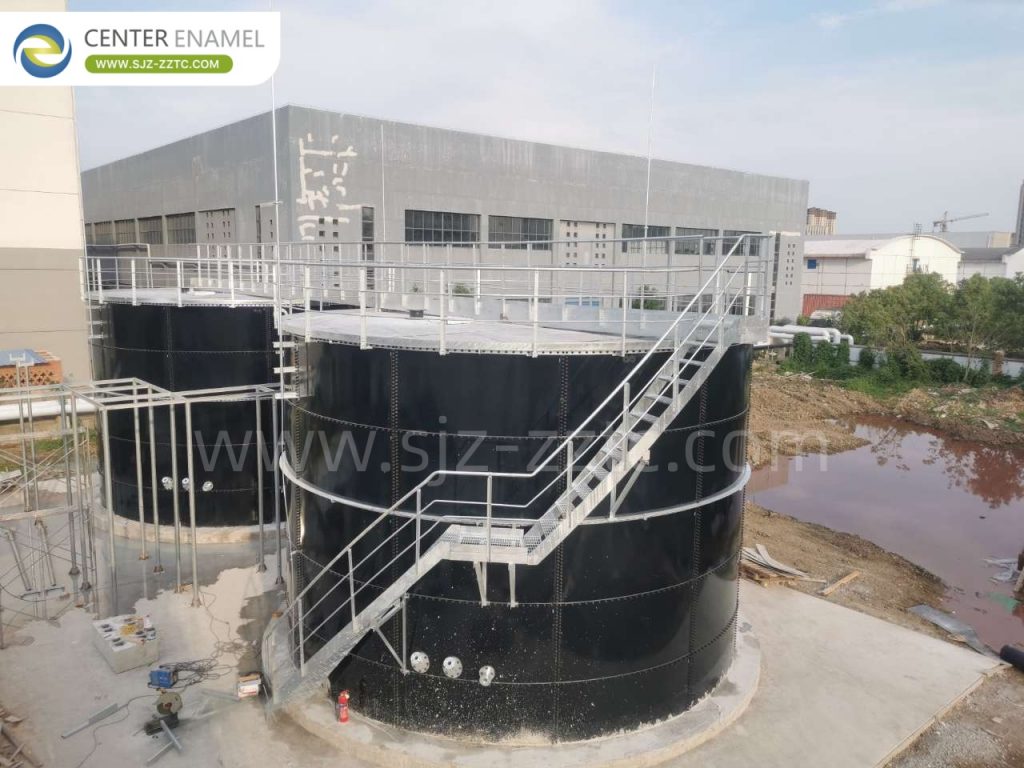
Municipal sludge, also known as sewage sludge, is the byproduct generated during the treatment of municipal wastewater. It is a complex mixture that typically consists of food waste particles, human waste, microorganisms, residual chemicals from everyday medicines and products, and water bound to these materials . This substance can exist in solid, semisolid, or slurry form and is divided into two main classifications :
Primary sludge: Comes from the primary sedimentation treatment of wastewater
Secondary sludge: Activated waste that results from biological treatments
After undergoing significant treatment to stabilize it and reduce pathogens, sludge is referred to as "biosolids." Stabilized sludge has no unpleasant smell and can be handled without harming human health . The term helps distinguish treated sewage sludge from its raw counterpart, which contains high levels of pollutants.
The Global Challenge of Municipal Sludge Management
The scale of municipal sludge production is staggering. Globally, sewage sludge production stands at approximately 45 million dry tons per year, with North America alone producing over 85 billion cubic meters of wastewater biosolids annually . Rapid population growth, urbanization, and industrialization have collectively driven municipal waste generation to unprecedented levels .
Municipal sludge is a complex mixture that includes water, organic matter, microorganisms, nutrients, heavy metals, and other inorganic substances . A significant challenge in managing sewage sludge arises from the presence of extracellular polymeric substances (EPS), which form a vast, net-like structure that retains large amounts of water, impeding dewatering processes and increasing disposal costs .
The environmental consequences of improper sludge management are severe. Improper landfill disposal can result in the emission of harmful gases and the leaching of heavy metals, posing serious threats to air quality, agricultural soils, and groundwater . Drying and landfill disposal are considered the sludge management options with the most significant greenhouse gas emissions .
How Municipal Sludge is Converted to Biogas
Anaerobic digestion (AD) is a well-established waste-to-energy technology for treating sewage sludge at municipal wastewater treatment plants . This microbial-driven process involves four interdependent stages—hydrolysis, acidogenesis, acetogenesis, and methanogenesis—that convert organic waste into biogas and residual organics .
The biogas produced is composed primarily of methane (CH₄) and carbon dioxide (CO₂), with a calorific value of 21–25 MJ/m³ . Beyond biogas production, the residual organic matter is odorless, pathogen-free, and stable, requiring minimal energy and nutrients to manage . This makes anaerobic digestion a key technology for sustainable resource recovery that aligns well with circular economy principles .
However, the complex organics in sewage sludge form a barrier to efficient biological deconstruction, making pretreatment necessary. Various methods are available, including thermal, mechanical, chemical, and biological approaches . Research shows that advanced pretreatment can significantly enhance biogas production, with studies demonstrating methane yield increases of up to 87% .
The CSTR Process: Core Technology for Municipal Sludge Digestion
At the heart of any efficient Biogas Project for municipal sludge lies the CSTR Process (Continuous Stirred-Tank Reactor). This technology is specifically engineered to handle the challenging characteristics of high-solid organic feedstocks like sewage sludge.
The CSTR reactor operates as a completely mixed, closed vessel, ensuring that fermentation raw materials and anaerobic microorganisms maintain constant and thorough contact. A mechanical stirring device continuously agitates the slurry, preventing the formation of a floating scum layer and ensuring uniform distribution of nutrients and microorganisms. By feeding the reactor continuously at a constant temperature—typically under mesophilic conditions—the CSTR Process effectively degrades organic matter, maximizing biogas production .
GFS Tanks: The Premier Storage Solution for Biogas Projects
For optimal biogas capture and storage, GFS Tanks (Glass-Fused-to-Steel) provide exceptional durability and performance. Center Enamel's GFS Tanks are engineered with a glass coating applied by firing at 820-930°C, creating an inert, inorganic bond that combines the strength and flexibility of steel with outstanding corrosion resistance .
This coating is impermeable to the aggressive organic acids and hydrogen sulfide generated during digestion, ensuring a service life exceeding 30 years with minimal maintenance. The smooth glass surface prevents biofilm buildup and is easy to clean, making GFS Tanks ideal for the challenging environments of biogas production .
Key advantages of GFS Tanks include:
Exceptional corrosion resistance against H₂S and organic acids
pH resistance from 1-14, suitable for aggressive environments
Zero-leakage containment for biogas storage
Rapid installation with modular bolted design
Long service life of 30-50 years
Double Membrane Roof systems complement GFS Tanks in biogas applications, providing superior airtightness necessary for gas collection and odor control. The integrated design forms a single, efficient structure that saves on the cost and space of separate ground-mounted gas holders .
Center Enamel: Your One-Stop Biogas Project Partner
Center Enamel has been committed to water, wastewater, and biogas projects, establishing itself as the largest manufacturer of Glass-Fused-to-Steel (GFS) tanks in Asia . With over 36 years of experience and a 150,000 m² R&D and production base, the company delivers unparalleled expertise in designing and executing turnkey Biogas Projects worldwide.
Comprehensive EPC Services Include:
Engineering & Design: Tailored solutions meeting international standards including ISO 28765, AWWA D103, and EN 1090
Procurement: High-quality materials, equipment, and technologies including biogas storage tanks, CSTR reactors, and digesters
Construction: Professional project management ensuring safe, timely, and cost-effective construction
Commissioning: Full support during startup to guarantee optimal operation
Center Enamel provides an integrated solution covering the entire biogas lifecycle—from feedstock receiving to biogas utilization—ensuring that every component works together seamlessly. Their global presence and local support, operating in more than 90 countries, enable tailored solutions for specific regional conditions .
Successful Biogas Projects Using GFS Tanks
Center Enamel has delivered numerous successful biogas projects worldwide. The company's biogas project EPC solutions are designed to meet the diverse needs of industries, municipalities, and farmers, delivering customized systems that efficiently process waste and generate energy .
For municipal sludge applications, Center Enamel's solutions encompass everything from anaerobic digesters to biogas storage tanks, flare systems, and gas recovery systems . The company's patented technologies and Glass-Fused-to-Steel equipment ensure that biogas plants run efficiently and effectively over the long term .
Conclusion: From Waste to Sustainable Energy
Municipal sludge has long been viewed as a costly disposal problem, but advanced anaerobic digestion technology is changing this paradigm. By utilizing the CSTR Process and durable GFS Tanks, this wastewater byproduct can be transformed from an environmental liability into a valuable renewable energy resource.
Center Enamel offers comprehensive biogas solutions that address both the environmental challenges of sludge disposal and the growing demand for clean energy. By converting this abundant organic waste into biogas, municipalities can reduce greenhouse gas emissions, generate sustainable energy, and contribute to a circular economy .
Frequently Asked Questions (FAQ)
1. Why are GFS Tanks ideal for municipal sludge biogas projects?
GFS Tanks offer exceptional corrosion resistance against the aggressive hydrogen sulfide and organic acids produced during anaerobic digestion of municipal sludge. The glass coating creates an impermeable barrier that withstands harsh conditions, ensuring a service life exceeding 30 years with minimal maintenance and no need for recoating .
2. How does the CSTR Process handle municipal sludge digestion?
The CSTR Process uses continuous mechanical mixing to maintain a homogeneous slurry, preventing floating scum formation and ensuring maximum contact between microorganisms and the sludge matrix. This constant agitation optimizes the breakdown of complex organics for maximum biogas production .
3. Can Center Enamel provide a complete turnkey biogas solution for municipal sludge projects?
Yes, Center Enamel is an expert EPC contractor providing comprehensive one-stop solutions covering design, supply, and installation of the entire Biogas Project—including the CSTR Process, GFS Tanks, double membrane roofs, and all associated equipment .