
What is Pretreatment of Wastewater Treatment? A Complete Guide to Primary Filtration and Conditioning
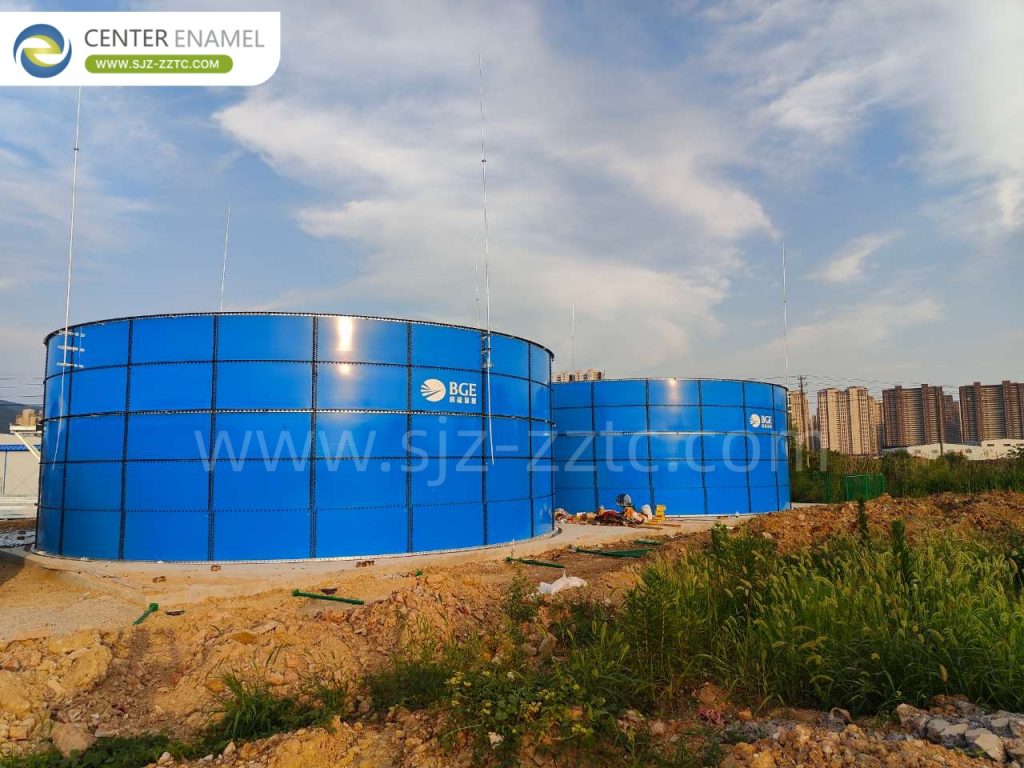
In the world of industrial and municipal wastewater management, the term "treatment" often conjures images of complex biological reactors and chemical dosing systems. However, before water ever reaches these sophisticated stages, it must undergo a critical preparatory phase. This leads to a fundamental question for plant operators and environmental engineers: What is pretreatment of wastewater treatment?
Pretreatment is the first line of defense. It is the physical, chemical, and mechanical process of removing large solids, heavy grit, excessive oils, and disruptive debris from raw influent before it enters the primary treatment phase. Think of it as the "screening" and "settling" stage that protects downstream equipment from damage, reduces the overall pollutant load, and ensures the efficiency of subsequent biological processes.
Skipping or improperly managing pretreatment is a recipe for disaster—clogged pumps, fouled membranes, and expensive downtime. This article explores the definition, components, and significance of pretreatment, and how modern engineering solutions, including those from Center Enamel, are optimizing this essential step.
The Core Definition: Why Pretreatment Matters
To understand what is pretreatment of wastewater treatment, we must look at its objectives. Raw wastewater—whether from municipal sources, food processing, or heavy industry—contains a diverse mix of debris. Pretreatment is designed to:
Protect Equipment: Remove abrasive grit (sand, eggshells, coffee grounds) that wears down pumps and scrapers.
Prevent Blockages: Screen out rags, plastics, and large organic matter that clog pipes and valves.
Stabilize Flow: Equalize surges in flow rate and pollutant concentration (shock loads) to provide a consistent feed to downstream processes.
Reduce BOD/COD Load: By removing settleable solids, pretreatment can reduce the Biochemical Oxygen Demand (BOD) by 15-30%, lowering the energy cost of aeration in later stages.
In short, pretreatment is the "gatekeeper" that determines whether the rest of the treatment plant operates smoothly or suffers from chronic maintenance headaches.
Screening: The First Physical Barrier
The first step in answering what is pretreatment of wastewater treatment is usually mechanical screening. This process involves passing the incoming wastewater through screens with varying openings.
Coarse Screens (Bar Racks): These have openings of 6-25 mm and remove large objects like sticks, rags, feathers, and plastic bottles. In many facilities, these are mechanically cleaned by a rake system.
Fine Screens: With openings of 1.5-6 mm, these remove smaller debris such as hair, fibers, and seeds. Fine screens are crucial for protecting membrane bioreactors (MBR), as even small particles can scratch membrane surfaces.
Micro-screens: Used for tertiary polishing or in specific industrial applications, these have openings below 1 mm.
The captured screenings are usually washed, compacted, and sent to a landfill or incinerator. Proper screening design ensures that downstream channels remain free-flowing and efficient.
Grit Removal: Protecting Mechanical Equipment
When exploring what is pretreatment of wastewater treatment, grit removal is often the most overlooked yet vital component. Grit consists of heavy inorganic particles such as sand, gravel, eggshells, bone fragments (in slaughterhouses), and coffee grounds.
If grit is not removed, it settles in primary clarifiers and anaerobic digesters, reducing their effective volume. More critically, it acts as an abrasive that damages impellers in pumps and aerators.
Common Grit Removal Technologies:
Aerated Grit Chambers: Air is diffused into the tank, creating a spiral flow pattern. The lighter organic matter is carried over, while heavier grit settles to the bottom for removal.
Vortex Grit Chambers: Inflow is directed tangentially to create a vortex; centrifugal forces push grit to the walls and down to a hopper.
Horizontal Flow Grit Chambers: A simple, long, rectangular basin where velocity is controlled to allow grit to settle while organics remain in suspension.
Regular cleaning of grit chambers is essential to prevent odor issues and maintain capacity.
Flow Equalization: The Buffer Against Shock Loads
Industrial processes are rarely constant. A food factory may discharge high-strength wastewater during the day shift, followed by relatively clean water at night. This variability is problematic for biological processes, which prefer a steady diet.
So, what is pretreatment of wastewater treatment without flow balancing? It is incomplete. Equalization basins are used to store influent during peak flows and release it at a consistent rate to downstream units.
Benefits of Equalization:
Dampens pH fluctuations (critical in dairy and beverage waste).
Smoothes out temperature variations.
Allows for controlled dosing of chemicals and nutrients.
These tanks often feature mixing systems to prevent solids from settling and turning anaerobic (which causes odors). A robust storage solution is essential for this function, and Center Enamel's Glass-Fused-to-Steel tanks are ideal for this corrosive environment.
Chemical Pretreatment: Coagulation and Flocculation
Sometimes, mechanical methods are not enough to remove fine suspended solids and colloidal particles. These particles are so small that they carry a negative charge, repelling each other and preventing gravity settling. This is where chemical pretreatment comes into play.
Coagulation: Chemicals with a positive charge—such as aluminum sulfate (alum), ferric chloride, or polyaluminum chloride (PAC)—are added to neutralize the negative charge of the particulates. This causes the particles to destabilize and clump together into micro-flocs.
Flocculation: Following coagulation, a high-molecular-weight polymer (flocculant) is added. This polymer bridges the micro-flocs together, forming larger, heavier "pin-flocs" that settle rapidly in clarifiers.
Chemical pretreatment is particularly effective in removing phosphorus and color from wastewater. The dosage must be carefully controlled via pH sensors and jar tests to avoid overdosing, which can increase sludge volume.
Oil, Fat, and Grease (FOG) Removal
In many industrial sectors—such as slaughterhouses, restaurants, and food processors—FOG is a major challenge. If FOG enters the biological treatment system, it coats the microorganisms, suffocating them.
To address this, what is pretreatment of wastewater treatment includes a dedicated FOG removal phase.
Dissolved Air Flotation (DAF): The most common solution for high FOG loads. In a DAF system, pressurized water is saturated with air and released into the flotation tank. The tiny air bubbles attach to the FOG particles, lifting them to the surface where a skimmer removes them as sludge.
API Separators and Grease Traps: These rely on the principle that oil and grease are lighter than water. They allow the wastewater to flow slowly through a chamber where FOG rises to the top for manual or mechanical removal.
Removing FOG early not only protects the biology but also allows for the recovery of valuable byproducts (e.g., yellow grease for biodiesel).
Pre-Aeration and Odor Control
The final piece of the pretreatment puzzle often involves pre-aeration and odor management. As wastewater sits in collection systems and equalization tanks, it can become septic, generating hydrogen sulfide (H₂S) and mercaptans—the source of "rotten egg" smells.
Pre-aeration: Injecting air (or oxygen) into the influent channel or the equalization tank oxidizes these compounds, preventing the formation of odors. It also adds dissolved oxygen to the water, which helps aerobic microorganisms get a head start on degrading organic matter.
Chemical Scrubbers and Carbon Filters: Where headspace is enclosed (as in covered tanks), air is drawn through chemical scrubbers or activated carbon filters to neutralize odors before release.
Proper pretreatment design ensures that the treatment facility is not a nuisance to the surrounding community.
Center Enamel: Your One-Stop Solution for Wastewater Pretreatment and Beyond
Understanding what is pretreatment of wastewater treatment is only half the battle; implementing it effectively requires robust, durable infrastructure. As a leading global manufacturer of storage and treatment solutions, Center Enamel provides the essential tanks and engineered systems needed to execute every step of the pretreatment process.
Why Partner with Center Enamel?
Premium Glass-Fused-to-Steel (GFS) Tanks: Our signature technology offers superior corrosion resistance, making it perfect for equalization basins, grit chambers, and chemical mixing tanks. The glass coating is inert, non-porous, and resistant to the acidic and alkaline chemicals used in coagulation and pH adjustment.
Customized Design: We understand that no two wastewater streams are the same. Whether you need a covered anaerobic digester or an open-top equalization tank, we design to your specific flow rates and chemical parameters.
Fast Installation: Our bolted tank design allows for rapid assembly on-site, reducing construction time and labor costs compared to cast-in-place concrete.
Sustainability Focus: Our tanks are fully recyclable and designed for a long life cycle, supporting your plant's environmental compliance goals.
From the initial screen to the final clarifier, Center Enamel provides the sturdy foundation your pretreatment process needs to protect your downstream equipment and maximize treatment efficiency. Let us help you build a system that stands the test of time.
Frequently Asked Questions (FAQ)
Q1: What is the difference between pretreatment and primary treatment?
Pretreatment is the initial step focusing on screening, grit removal, and flow equalization to protect equipment. Primary treatment follows and uses sedimentation to remove settleable organic solids (sludge) from the water. Essentially, pretreatment is physical conditioning, while primary treatment is the start of biological/chemical removal.
Q2: How much BOD is typically removed during pretreatment?
Pretreatment usually removes about 15% to 30% of the total BOD in the wastewater. This reduction comes from the physical removal of suspended solids and oils that would otherwise contribute to the organic load in the biological stage.
Q3: What happens if a plant bypasses the pretreatment stage?
Bypassing pretreatment is highly dangerous. Grit will accumulate in and damage pumps, rags will clog pipes and primary clarifiers, and excessive FOG will cause biomass flotation and failure in the aeration basin. This leads to increased maintenance costs, potential regulatory fines, and plant downtime.