
What Is Pulp and Paper Wastewater? A Complete Guide to Characteristics and Treatment
The pulp and paper industry is one of the largest manufacturing sectors globally, producing essential materials for packaging, printing, hygiene products, and countless other applications. However, this essential industry comes with a significant environmental burden: pulp and paper wastewater.
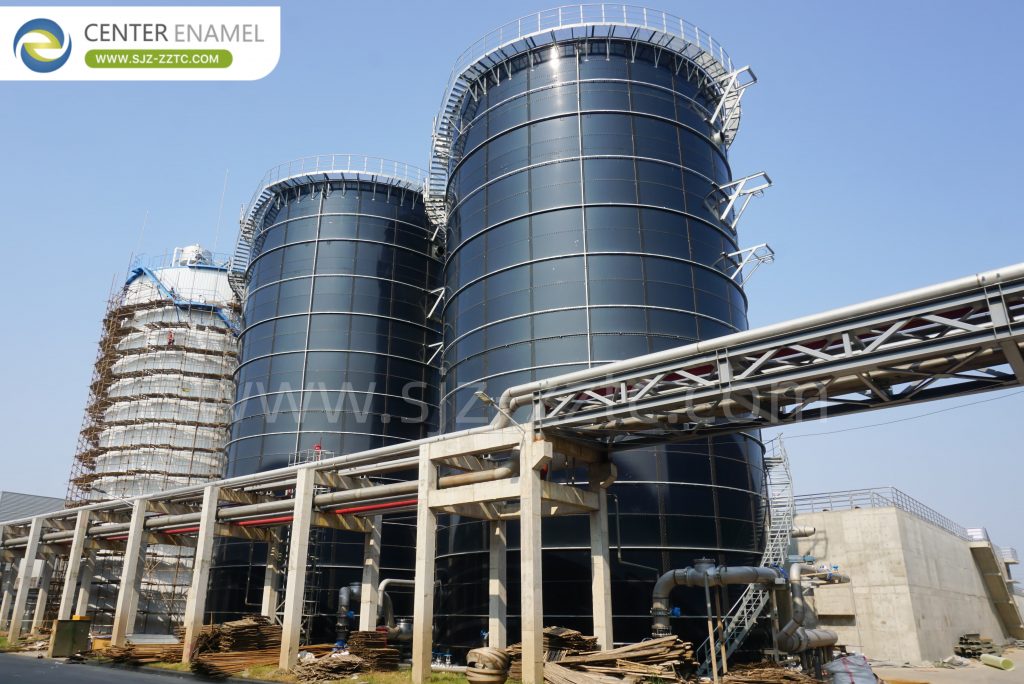
Understanding what pulp and paper wastewater is, its unique characteristics, and how to treat it effectively is critical for mill operators, environmental engineers, and sustainability professionals. In this comprehensive guide, we will explore the origins and composition of pulp and paper mill effluent, examine why it is so challenging to treat, and demonstrate why advanced containment solutions-particularly Glass-Fused-to-Steel (GFS) tanks from Center Enamel-are essential for effective wastewater management.
What Exactly Is Pulp and Paper Wastewater?
Pulp and paper wastewater refers to the liquid effluent discharged during the various stages of paper manufacturing, including raw material preparation, pulping, bleaching, paper forming, and waste paper recycling. It is one of the most voluminous and complex industrial waste streams, characterized by high organic loads, suspended solids, chemical contaminants, and intense coloration.
The wastewater varies significantly in composition depending on the pulping method (chemical, mechanical, or semi-chemical), the raw materials used (wood types, recycled paper content), and the specific processes employed at the mill. This variability makes consistent treatment particularly challenging.
Key Sources of Pulp and Paper Wastewater
Understanding the sources of wastewater is essential for designing effective treatment systems:
1. Pulping and Bleaching Wastewater
This is the most contaminated stream in papermaking operations. It includes black liquor from chemical cooking, washing wastewater, and bleaching effluent. These streams contain massive amounts of lignin, cellulose, hemicellulose, residual alkaline chemicals, and chlorinated organic compounds, with extremely high Chemical Oxygen Demand (COD), Biochemical Oxygen Demand (BOD), and dark color. The effluent is highly corrosive and difficult to biodegrade.
2. White Water
White water is produced during sheet forming, pressing, and drying operations. It contains fine fibers, fillers, sizing agents, and retention additives. While the organic concentration is lower than pulping wastewater, suspended solids (SS) are extremely high, leading to fiber loss and eutrophication risks if released directly.
3. Waste Paper Recycling Wastewater
Generated during waste paper pulping, deinking, and cleaning, this stream contains ink particles, adhesives, microfibers, and chemical residues. It has poor biodegradability and often inhibits microbial activity in standard treatment systems.
4. Wash Water
Wash water from chipping, debarking, and equipment cleaning contains bark, sand, grit, and coarse solids that cause abrasion and sedimentation issues in treatment units.
Characteristics of Pulp and Paper Wastewater
Pulp and paper mill effluent is notoriously complex. Key characteristics include:
High Organic Load (COD and BOD)
Pulp and paper wastewater contains exceptionally high concentrations of biochemical oxygen demand (BOD) and chemical oxygen demand (COD), primarily from lignin, cellulose, and hemicellulose released during pulping and bleaching processes. Studies show that COD levels in primary clarifier effluent typically range from 900 to 1,100 mg/L, with BOD levels from 300 to 450 mg/L. Lignin is particularly problematic because it is resistant to biological degradation.
Suspended Solids and Abrasive Fibers
The wastewater contains high concentrations of suspended solids, including wood fibers, mineral fillers, and ash. Total Suspended Solids (TSS) in primary clarifier effluent typically ranges from 230 to 300 mg/L. The abrasive nature of wood fibers and mineral particles causes continuous mechanical wear on tank linings and equipment, demanding robust containment systems.
Color and Lignin Compounds
Pulp and paper wastewater is characterized by its dark, intense black-brown color, which results from the presence of lignin and its derivatives. These complex organic compounds are difficult to degrade biologically and can persist in the environment. The dark color reduces light penetration in receiving waters, disrupting aquatic ecosystems by inhibiting photosynthesis.
Toxicity and Chlorinated Compounds
The wastewater shows high toxicity due to organic chlorinated compounds such as dioxins and furans, which may be formed by the chlorination of lignin in wood chips. This has driven the industry toward total chlorine-free (TCF) bleaching processes in recent years.
Extreme pH Fluctuations
Papermaking processes use a wide range of chemicals, including caustic soda for pulping, chlorine compounds for bleaching, and various acids for pH adjustment. As a result, paper mill effluent exhibits wide and rapid pH swings-ranging from highly acidic to strongly alkaline.
Environmental Impact of Pulp and Paper Wastewater
If discharged untreated or poorly treated, pulp and paper wastewater poses severe threats to aquatic ecosystems and human health:
Eutrophication: High nutrient loads (nitrogen and phosphorus) cause excessive algae growth, depleting oxygen in water bodies.
Toxicity: Chlorinated organic compounds, including dioxins and furans, are persistent organic pollutants that bioaccumulate in the food chain.
Oxygen Depletion: High BOD and COD loads consume dissolved oxygen, suffocating aquatic life.
Physical Smothering: High suspended solids settle on streambeds, destroying benthic habitats.
Given these impacts, pulp and paper mills face increasingly stringent environmental regulations. Advanced treatment systems are no longer optional-they are mandatory.
Treatment Technologies for Pulp and Paper Wastewater
Effective treatment of pulp and paper wastewater typically involves a multi-stage approach:
Primary Treatment (Physical-Chemical)
This stage removes suspended solids, floating materials, and fibrous debris through screening, sedimentation, dissolved air flotation (DAF), and coagulation-flocculation. This reduces the organic load for subsequent treatment.
Secondary Treatment (Biological)
Biological processes are the backbone of modern pulp and paper wastewater treatment. Both aerobic and anaerobic treatments are effective for reducing BOD and COD concentrations. Anaerobic digestion is particularly valuable for high-strength wastewater because it achieves high organic removal while producing methane-rich biogas for energy recovery.
Anaerobic technologies commonly used include:
Upflow Anaerobic Sludge Blanket (UASB): A high-rate reactor that maintains a dense granular sludge bed for efficient COD removal.
Upflow Sludge Blanket Filtration (USBF): Specifically engineered to handle high suspended solids by incorporating a filtration zone above the granular sludge bed.
Continuously Stirred Tank Reactor (CSTR): Uses mechanical mixing to handle high-fiber, high-solid wastewater.
Tertiary Treatment (Advanced)
Advanced processes including membrane filtration, activated carbon adsorption, advanced oxidation processes (ozonation, photocatalysis, Fenton oxidation), and UV disinfection remove residual color, fine particles, and refractory organics to meet strict discharge or reuse requirements.
GFS Tanks: The Ideal Containment Solution
The environment within a pulp and paper wastewater treatment facility is often highly corrosive, influenced by acidic pulping liquors, caustic cleaning agents, and sulfur compounds produced during anaerobic degradation of wood extractives. This demands containment infrastructure that can withstand both chemical and physical degradation.
Glass-Fused-to-Steel (GFS) tanks have emerged as the preferred solution for the industry. The process involves fusing a layer of glass enamel to steel plates at temperatures exceeding 820°C, creating a permanent molecular bond that combines the structural strength of steel with the chemical inertness of glass.
Key Advantages of GFS Tanks
Unmatched Corrosion Resistance: GFS tanks feature a chemically inert glass surface that resists acidic and alkaline conditions across pH 1 to 14. This provides a durable, non-porous barrier against the organic acids, sulfide compounds, bleaching agents, and extreme pH fluctuations characteristic of pulp and paper wastewater.
Abrasion Resistance: With a coating hardness of 6.0 on the Mohs scale, GFS tanks withstand the continuous wear caused by abrasive fibers, clay, and mineral fillers in the wastewater.
Rapid Installation: The modular, bolted design allows for on-site assembly without extensive field welding, drastically reducing project timelines compared to concrete or welded steel tanks.
Long Service Life: GFS tanks offer a service life exceeding 30 years with minimal maintenance requirements, providing the lowest total cost of ownership over the lifecycle of a treatment facility.
Scalability: The bolted construction allows tanks to be easily expanded, dismantled, or relocated to accommodate changing production needs.
Center Enamel: Professional Wastewater Treatment Solutions
Shijiazhuang Zhengzhong Technology Co., Ltd., operating under the brand Center Enamel, is a global leader in the design and manufacture of advanced containment solutions for industrial wastewater treatment. With over 30 years of experience and projects completed in more than 100 countries, Center Enamel provides comprehensive EPC (Engineering, Procurement, and Construction) solutions for the pulp and paper industry.
Proven Track Record in Pulp and Paper Wastewater
Center Enamel has successfully completed numerous papermaking wastewater treatment projects for leading industry enterprises. In China alone, the company has implemented projects in Sichuan, Guangdong, Hebei, Chongqing, Jiangsu, and Guangxi provinces.
One notable project in Jiangxi involved supplying GFS tanks with a height of nearly 30 meters-the company's second ultra-high enamel assembled tank project after a 34.8-meter fire water tank project in Indonesia. Center Enamel has also built a single GFS tank with a volume exceeding 21,000 cubic meters and is currently constructing projects with double tank volumes exceeding 50,000 cubic meters.
Integrated Anaerobic Digestion Capabilities
Center Enamel specializes in high-rate anaerobic digestion systems, including Upflow Anaerobic Sludge Blanket (UASB), Upflow Sludge Blanket Filtration (USBF), and Continuously Stirred Tank Reactor (CSTR) systems. These technologies maximize biogas recovery from high-strength pulp and paper wastewater, turning treatment costs into energy revenue.
The USBF system, in particular, is engineered to overcome the suspended solids challenge endemic to papermaking wastewater:
Fiber and Fines Capture: The integrated filtration zone intercepts light fiber fines and inert filler materials, preventing premature washout.
Granular Sludge Protection: By filtering out light solids, the USBF ensures the granular bed remains stable and active, maximizing microbial concentration for high-rate digestion.
High-Rate Organic Removal: The granular sludge bed rapidly converts soluble organic matter into methane-rich biogas, dramatically reducing COD.
Comprehensive Product Portfolio
Beyond GFS tanks, Center Enamel offers a complete range of wastewater treatment infrastructure:
Fusion Bonded Epoxy (FBE) Tanks: Engineered for primary clarification and sludge holding
Stainless Steel Bolted Tanks (SS304/SS316L): Ideal for high-temperature and chemically volatile streams
Aluminum Dome Roofs: Maintenance-free, corrosion-resistant covers for odor control
Double Membrane Gas Holders: For advanced biogas capture and storage
Conclusion
Pulp and paper wastewater is one of the most complex and challenging industrial effluents, characterized by high organic loads, abrasive suspended solids, intense color, toxicity, and extreme pH fluctuations. Effective treatment requires robust, multi-stage systems that can withstand these demanding conditions while meeting increasingly stringent environmental regulations.
Glass-Fused-to-Steel (GFS) tanks offer the superior corrosion resistance, abrasion resistance, and structural integrity required for reliable pulp and paper wastewater treatment. With over 30 years of expertise and proven success across numerous paper industry projects, Center Enamel is a trusted partner in delivering comprehensive wastewater treatment solutions-from individual tanks to integrated EPC systems.
Frequently Asked Questions
What makes pulp and paper wastewater so difficult to treat compared to other industrial effluents?
Pulp and paper wastewater is challenging due to its combination of high Chemical Oxygen Demand (900–1,100 mg/L) from lignin and cellulose, abrasive suspended solids (230–300 mg/L TSS), intense color from lignin compounds, toxic chlorinated organics such as dioxins and furans, and extreme pH fluctuations from pulping and bleaching chemicals. The variability in composition based on pulping method and raw materials also makes consistent biological treatment difficult.
Why are Glass-Fused-to-Steel (GFS) tanks preferred over concrete for pulp and paper wastewater treatment?
GFS tanks combine steel strength with glass corrosion resistance, offering superior protection against acidic and alkaline conditions (pH 1–14). Unlike porous concrete that cracks and allows gas attack on rebar, GFS provides an inert, non-porous barrier that resists the organic acids, sulfide compounds, and abrasive fibers characteristic of papermaking effluent. GFS tanks also install rapidly (approximately one-fifth the time of concrete), allow future expansion, and require no annual corrosion maintenance, offering a service life exceeding 30 years.
What wastewater treatment solutions does Center Enamel provide for the pulp and paper industry?
Center Enamel offers comprehensive EPC solutions including Glass-Fused-to-Steel (GFS) tanks, Fusion Bonded Epoxy tanks, stainless steel tanks, Aluminum Dome Roofs, and high-rate anaerobic digestion systems such as USBF, UASB, and CSTR. With projects completed across multiple provinces in China and over 100 countries worldwide, Center Enamel has proven expertise in handling the demanding conditions of pulp and paper mill effluent while enabling biogas recovery for energy generation.