
What is Rainwater Harvesting? A Comprehensive Guide to Sustainable Water Management
Rainwater harvesting (RWH) is the collection of rainfall runoff for subsequent beneficial use . As global water scarcity intensifies and urban populations grow, harvesting rainwater has evolved from a traditional practice into a critical sustainable infrastructure strategy. Rainwater can be collected from rooftops, ground surfaces, and other impervious areas, providing an independent water supply that reduces pressure on conventional sources, mitigates flooding, and supports environmental resilience . This article examines the fundamentals of rainwater harvesting, its importance in municipal planning, and the role of advanced storage solutions in ensuring water quality and system longevity.
Understanding Rainwater Harvesting
Rainwater harvesting encompasses techniques that capture runoff from roofs, ground surfaces, and intermittent watercourses . The practice ranges from simple rain barrels collecting water from household gutters to large-scale systems that recharge aquifers and supply municipal water needs. Rainwater harvesting provides an independent water supply during regional restrictions and can supplement main water sources in developed countries . In arid and drought-prone regions, it serves as a critical, cost-effective source of clean water, helping sustain groundwater levels and dilute salinity in aquifers .
Environmental and Socio-Economic Benefits
Rainwater harvesting offers substantial environmental advantages. It reduces stormwater runoff volumes, decreasing the pollutants entering water collection systems and protecting freshwater bodies . By capturing rainfall locally, RWH also reduces energy-intensive pumping and treatment of mains water, lowering associated carbon emissions .
Socio-economic benefits include decreased pressure on drainage and sewage systems, reduced risk of sewage overflows, and lower water treatment costs . For communities facing water scarcity, RWH builds climate resilience and provides a reliable source during droughts. Studies show that households implementing RWH can significantly reduce utility costs while contributing to broader water conservation goals.
Rainwater Harvesting in Municipal Applications
The importance of rainwater harvesting in municipal contexts has grown substantially as cities confront water security challenges. Los Angeles, for example, captured nearly 5.5 billion gallons of stormwater during recent rainy seasons, enough to serve approximately 68,000 households annually . The city uses multiple methods including neighborhood green infrastructure, residential cisterns, and large spreading grounds to recharge underground aquifers that serve as groundwater banks .
In Raipur, India, a community-driven initiative created nearly 32,000 rainwater harvesting structures in a single year, transforming a city once plagued by waterlogging and declining groundwater levels . These structures include recharge wells, percolation pits, and rooftop harvesting systems, demonstrating how policy support, technical innovation, and community participation can turn seasonal runoff into lasting water security .
Studies from Dhaka, Bangladesh, project that integrated strategies combining rainwater harvesting with demand-side management and greywater reuse can meet future water demands more effectively than conventional surface water alone . This highlights the importance of RWH as a key component of sustainable urban water planning.
Collection and Storage Systems
Effective rainwater harvesting depends on reliable collection and storage infrastructure. Collection surfaces, typically rooftops or ground catchments, channel runoff through gutters and pipes to storage tanks or recharge structures. First-flush diverters are commonly used to prevent the initial runoff-which may contain contaminants from rooftops-from entering storage . Storage options range from small residential barrels (50 gallons or more) to large-scale cisterns exceeding 1,000 gallons, with municipal systems often featuring spreading grounds and infiltration basins . Filtration and treatment ensure water quality for intended uses, with rainwater generally considered safe after appropriate treatment .
Glass-Fused-to-Steel Tanks for Rainwater Storage
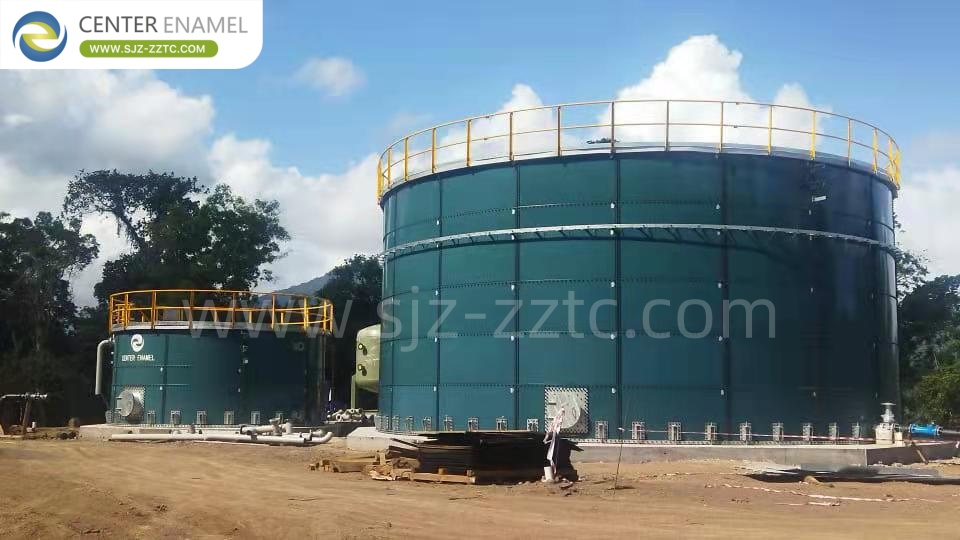
The quality and reliability of storage tanks are central to successful rainwater harvesting. Glass-Fused-to-Steel (GFS) tanks have emerged as a premier solution for rainwater storage, combining the structural strength of steel with the corrosion resistance and hygiene of glass enamel . The manufacturing process fuses a special glass enamel coating onto high-grade steel at temperatures exceeding 820°C, creating a permanent, inert, and smooth surface .
GFS tanks are ideally suited to rainwater harvesting because they:
Withstand acidic rainfall and environmental pollutants better than traditional steel or plastic tanks
Feature smooth interiors that prevent bacterial growth and biofilm accumulation
Offer modular construction for flexible installation and future expansion
Provide service life exceeding 30 years with minimal maintenance
The bolted panel design allows rapid on-site assembly without welding, reducing installation time and costs compared to cast-in-place concrete . Tank capacities range from under 100 cubic meters for residential applications to over 25,000 cubic meters for municipal and industrial projects . GFS tanks also feature UV-resistant coatings and can be equipped with aluminum geodesic roofs that inhibit algae growth by blocking sunlight .
Applications Across Sectors
Rainwater harvesting systems serve diverse applications across residential, commercial, agricultural, and municipal sectors. Residential systems supply water for irrigation, flushing, and laundry, reducing reliance on mains water . Commercial buildings use harvested rainwater for landscaping, greywater systems, and fire protection . In agriculture, reliable water storage supports crop irrigation and livestock watering, especially in arid or drought-prone regions . Municipal systems supplement public water supplies, reduce stormwater runoff, and improve urban water resilience .
Conclusion
Rainwater harvesting is an essential strategy for sustainable water management, offering environmental, economic, and social benefits. From household rain barrels to large-scale municipal capture systems, RWH reduces pressure on conventional water sources, mitigates flooding, and builds climate resilience. The effectiveness of these systems depends on durable, hygienic storage infrastructure, with Glass-Fused-to-Steel tanks emerging as a leading solution for their longevity, corrosion resistance, and design flexibility. As cities and communities confront growing water challenges, rainwater harvesting will play an increasingly vital role in securing a sustainable water future.
FAQ
Q1: What is rainwater harvesting and how does it work?
Rainwater harvesting is the collection and storage of rainfall runoff from roofs, ground surfaces, or other catchment areas for beneficial use. It involves capturing rainwater through gutters and pipes, directing it to storage tanks or recharge structures, and treating it as needed for purposes like irrigation, landscaping, or even potable supply after appropriate treatment.
Q2: Why is rainwater harvesting important for cities?
Municipal rainwater harvesting reduces stormwater runoff that can overwhelm sewer systems, recharges groundwater aquifers that serve as water banks, and supplements drinking water supplies. Cities like Los Angeles and Raipur have demonstrated how large-scale capture can significantly improve urban water security and resilience.
Q3: What are GFS tanks and why are they used for rainwater storage?
Glass-Fused-to-Steel (GFS) tanks are storage vessels made from steel panels coated with glass enamel fused at high temperatures. They are ideal for rainwater storage due to their corrosion resistance, hygienic smooth interiors that prevent contamination, modular design for flexible installation, and service life exceeding 30 years with minimal maintenance.