
What Is Sewage Treatment in Urban Areas? A Comprehensive Guide to Modern Wastewater Management
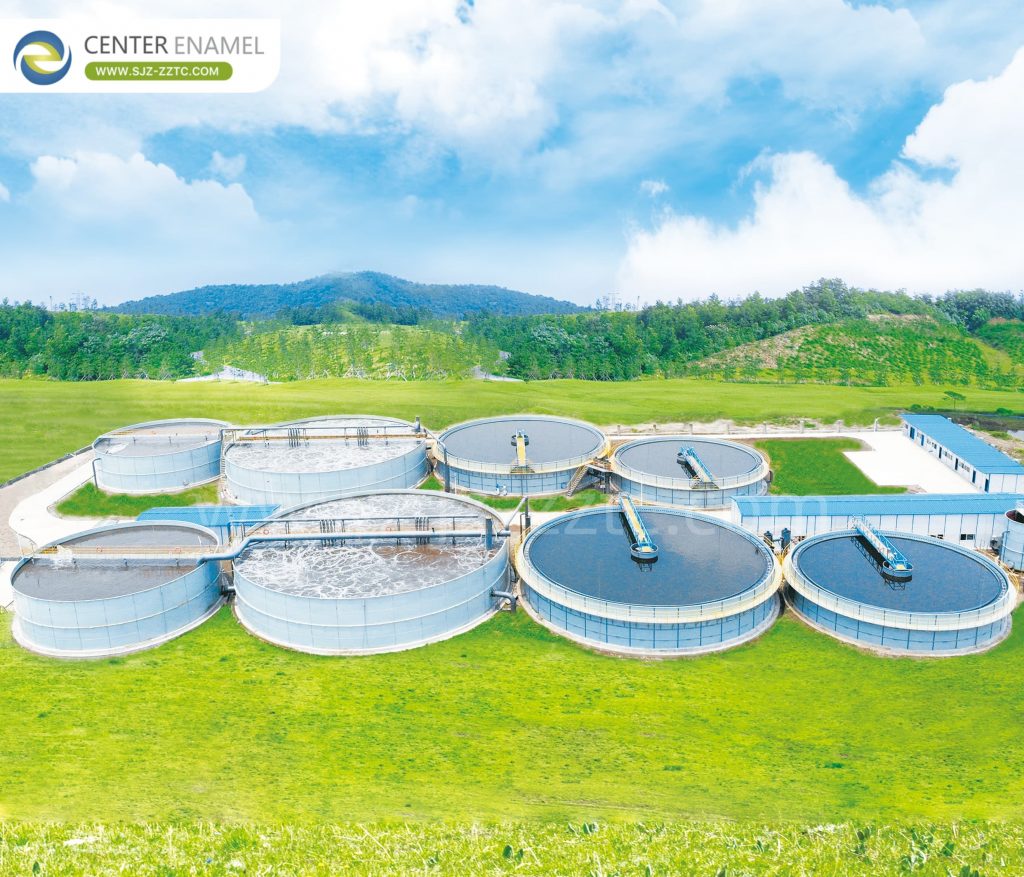
Urban sewage treatment is one of the most critical infrastructure systems supporting modern civilization. Every time you flush a toilet, take a shower, or run your washing machine, the wastewater generated enters a complex network of pipes and treatment facilities designed to protect both public health and the environment . As urban populations continue to grow and environmental regulations become increasingly stringent, understanding how sewage treatment works has never been more important.
This comprehensive guide explores the essential processes, technologies, and challenges of urban sewage treatment, providing valuable insights for industry professionals, policymakers, and anyone interested in sustainable water management.
What Is Urban Sewage Treatment?
Urban sewage treatment is the process of removing contaminants from municipal wastewater-the water that flows from homes, businesses, and industries through the sewer system. The primary goal is to produce treated effluent that can be safely discharged into natural water bodies or reused for beneficial purposes such as agricultural irrigation .
The treatment process typically involves multiple stages, each designed to remove specific types of pollutants. According to the German Federal Ministry for the Environment, approximately 97 percent of the German population is connected to the public sewage system, with wastewater treated in around 9,000 treatment plants . This high rate of connection demonstrates the essential nature of sewage treatment infrastructure in developed nations.
Beyond protecting human health by removing harmful pathogens and contaminants, urban sewage treatment plays a vital role in preserving aquatic ecosystems. Untreated wastewater contains organic matter that can deplete oxygen in rivers and lakes, as well as nutrients like nitrogen and phosphorus that cause harmful algal blooms .
The Primary Treatment Stage: Physical Separation
The first stage of sewage treatment is primary treatment, which uses physical processes to remove solid materials from the wastewater stream . When wastewater enters a treatment plant, it first passes through bar screens that catch large debris such as paper, plastics, branches, and other objects that could damage downstream equipment .
Following screening, the water flows through grit chambers where the flow velocity is reduced, allowing heavier particles like sand and gravel to settle out. This step prevents these abrasive materials from wearing down pumps and other mechanical equipment in later treatment stages .
The final step of primary treatment occurs in primary settling tanks, where wastewater is held for approximately two hours. During this time, fine suspended particles sink to the bottom as sludge, while lighter materials like fats and oils float to the surface and are skimmed off . Primary treatment removes about 30 percent of the total polluting matter from raw wastewater .
The Secondary Treatment Stage: Biological Processes
Secondary treatment harnesses natural biological processes to remove dissolved organic matter from wastewater . This stage is the "living engine" of the treatment plant, where microorganisms consume and digest organic pollutants .
The most common method is the activated sludge process, where wastewater flows into large aeration tanks. Oxygen is injected into the tanks to create favorable conditions for bacteria and other microorganisms to thrive . These microbes form colonies called flocs, which feed on the dissolved organic particles in the effluent .
After the biological treatment, the mixture flows to secondary settling tanks. Here, the bacterial flocs sink to the bottom, allowing the clear treated water to be separated . A portion of the settled sludge is returned to the aeration tanks to maintain the bacterial population, while the excess is removed for further treatment .
Research has shown that anaerobic digestion-a biological process that operates without oxygen-is increasingly valuable in sewage treatment. Not only does it stabilize organic contaminants, but it also transforms them into renewable biogas that can generate electricity or heat .
The Tertiary Treatment Stage: Nutrient Removal
After secondary treatment, most impurities have been removed except for nutrients like nitrogen and phosphorus. These nutrients can cause eutrophication in receiving waters, leading to excessive plant and algae growth that depletes oxygen and harms aquatic life .
Tertiary treatment addresses this challenge through additional processing designed to remove these nutrients . For phosphorus removal, treatment plants typically add chemical precipitants that react with phosphates to form insoluble compounds. These compounds form flocs that settle out as sludge .
Nitrogen removal typically involves biological processes, including nitrification followed by denitrification. Nitrification converts ammonia to nitrate, while denitrification converts nitrate to nitrogen gas, which is released harmlessly into the atmosphere .
According to the European Environment Agency, more stringent treatment is required when treated effluent is discharged into sensitive waters, such as those designated as bathing waters or drinking water sources .
The Emerging Fourth Treatment Stage: Micropollutant Removal
Recent years have seen growing concern about micropollutants-trace amounts of pharmaceuticals, personal care products, and other chemicals that persist in the environment even after conventional treatment . These substances, often referred to as contaminants of emerging concern, can impact aquatic life and potentially human health.
The European Union's Urban Wastewater Treatment Directive (2024/3019) now requires certain treatment plants to be equipped with a fourth treatment stage by 2045 to reduce these micropollutants . This additional treatment may involve advanced oxidation processes, activated carbon filtration, or membrane technologies.
According to research published in the journal Science of the Total Environment, alternative treatment trains combining anaerobic digestion, constructed wetlands, and solar photochemical processes have demonstrated the ability to remove over 80 percent of regulated micropollutants while meeting stringent EU reuse standards . Such natural and low-cost technologies represent an attractive and eco-sustainable alternative for wastewater reclamation.
Sludge Treatment and Resource Recovery
One of the most important aspects of urban sewage treatment is the management of sludge-the solid byproduct generated during the treatment process. This sludge has a water content of around 98 percent, requiring thickening and treatment before disposal .
Most modern treatment plants use anaerobic digestion to treat sludge. In this process, sludge is heated to approximately 35 degrees Celsius in an oxygen-free environment. Bacteria break down the organic matter, producing biogas that is approximately two-thirds methane and one-third carbon dioxide . This biogas can be stored and used as fuel for generating electricity or heating, helping treatment plants achieve energy neutrality .
After approximately four weeks of digestion, the stabilized sludge can be further dewatered and disposed of, often as fertilizer on agricultural land. Approximately half of the sewage sludge produced by EU Member States is spread on land as fertilizer, while a quarter is incinerated .
The phosphorus contained in sewage sludge is increasingly recognized as a critical raw material that can be recovered for beneficial use . This resource recovery approach aligns with circular economy principles, transforming waste into valuable products.
The Role of Innovative Infrastructure in Modern Treatment
The success of any urban sewage treatment project depends heavily on the quality and durability of its infrastructure. Treatment facilities must withstand the corrosive nature of wastewater and the mechanical demands of continuous operation .
Glass-Fused-to-Steel (GFS) technology has emerged as a global benchmark for wastewater treatment infrastructure. By fusing high-tech glass enamel to specialized steel at temperatures exceeding 820°C, manufacturers create a material that combines the structural strength of steel with the chemical inertness of glass . GFS tanks offer unparalleled resistance to the organic acids and hydrogen sulfide generated during wastewater treatment.
Similarly, epoxy-coated tanks provide excellent solutions for auxiliary and storage stages within treatment trains. Using high-specification electrostatic powder coating, these tanks offer durable resistance against industrial chemicals and organic residues . The modular, bolted design of these tanks allows for rapid deployment and assembly, significantly reducing construction timelines compared to traditional concrete structures .
Advanced gas management systems, including double membrane roof systems, ensure efficient capture of biogas generated during anaerobic digestion, maximizing energy recovery while preventing odor issues .
Center Enamel: Your Partner in Urban Sewage Treatment Solutions
Shijiazhuang Zhengzhong Technology Co., Ltd, operating under the world-renowned brand Center Enamel, stands as a global pioneer in providing specialized engineering infrastructure for urban and industrial wastewater treatment. With over thirty years of innovation and a project footprint extending to more than one hundred countries, Center Enamel delivers turnkey containment and processing solutions that make high-efficiency wastewater treatment a reality .
Unmatched Expertise in Water Treatment Infrastructure
Center Enamel's core advantage lies in its proprietary Glass-Fused-to-Steel (GFS) technology, high-performance Fusion Bonded Epoxy Tanks, and advanced gas management systems. These innovative solutions create a cohesive platform designed to maximize the reliability and energy output of modern wastewater treatment projects .
Comprehensive EPC Delivery
By managing the design, manufacturing, and on-site installation, Center Enamel provides a single point of responsibility for its clients. The company's modular bolted design allows for fast on-site assembly, significantly reducing construction timelines compared to traditional concrete-often by as much as fifty percent .
Proven Global Track Record
Center Enamel's expertise is validated through successful installations worldwide. From the Sichuan Brewing Wastewater Treatment Project utilizing 6 units of GFS tanks to the Guangxi Beihai Papermaking Wastewater Treatment Project, the company has demonstrated its capability across diverse industrial sectors .
Commitment to Quality and Sustainability
All Center Enamel equipment meets globally recognized standards, including AWWA D103-09, ISO 28765, and NSF/ANSI 61. The company's commitment to quality ensures that every project is built to perform and engineered to last, supporting the transition toward a more sustainable and resilient urban landscape .
Frequently Asked Questions
What are the main stages of urban sewage treatment?
Urban sewage treatment typically involves three main stages. Primary treatment uses physical processes like screening and sedimentation to remove solid materials. Secondary treatment employs biological processes, such as the activated sludge system, where microorganisms consume dissolved organic matter. Tertiary treatment removes nutrients like nitrogen and phosphorus through chemical or biological processes. Many plants are now adding a fourth treatment stage to remove micropollutants such as pharmaceuticals and personal care products .
Why is sewage treatment important for the environment?
Sewage treatment is essential for protecting both public health and aquatic ecosystems. Untreated wastewater contains harmful pathogens, organic matter that depletes oxygen in waterways, and nutrients that cause harmful algal blooms. Without proper treatment, these pollutants can make rivers and lakes uninhabitable for fish and other aquatic life, contaminate drinking water sources, and create public health risks. Modern treatment plants significantly reduce these pollutants, improving water quality and supporting biodiversity .
How does Center Enamel support urban sewage treatment projects?
Center Enamel provides specialized engineering infrastructure for wastewater treatment projects, including Glass-Fused-to-Steel (GFS) tanks, Epoxy Coated Tanks, and advanced gas management systems. With over thirty years of experience and projects in more than one hundred countries, the company offers turnkey EPC (Engineering, Procurement, and Construction) solutions that ensure reliable, durable, and efficient treatment infrastructure. Center Enamel's modular, bolted tank designs allow for rapid assembly and reduced construction timelines compared to traditional concrete alternatives .