
What Is Sludge Digestion? Anaerobic Stabilization of Sewage Sludge
Sludge digestion is the biological stabilization of the solids removed at a wastewater plant. In anaerobic digestion, bacteria break down the sludge in a sealed, heated tank (35–38°C mesophilic, or 50–55°C thermophilic) over 15–30 days, cutting mass 30–50%, destroying pathogens, and releasing biogas (55–65% CH₄). The output is a stabilized biosolid for land application and a renewable gas stream for energy recovery.
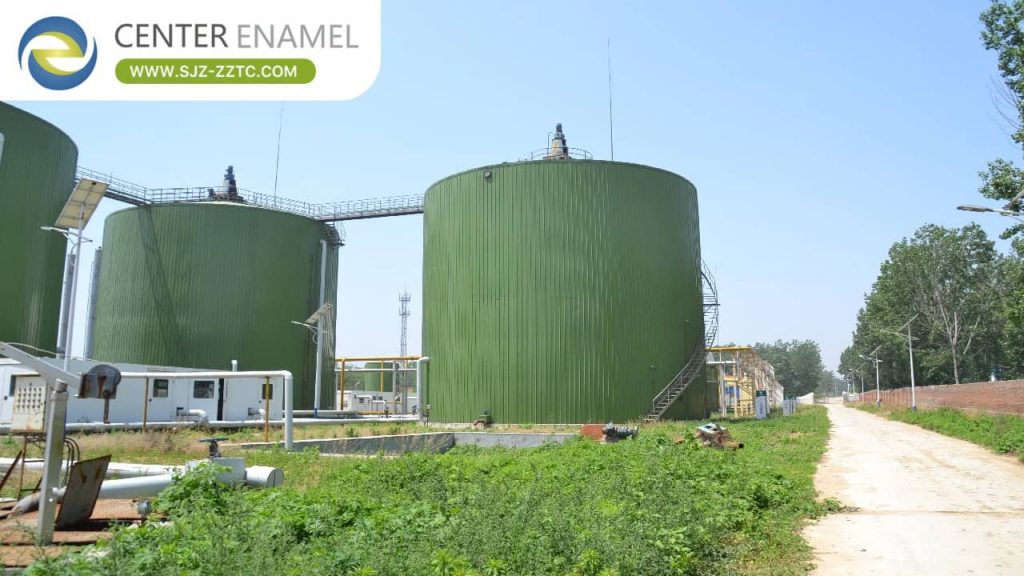
Anaerobic vs Aerobic Digestion
Anaerobic digestion runs without oxygen in a heated, sealed tank and produces biogas plus a stable biosolid—it is energy-positive and dominates at medium-to-large plants. Aerobic (oxidative) digestion uses air or oxygen, needs no gas system, but consumes significant electricity for blowers and yields no recoverable fuel. Anaerobic is preferred where scale justifies the gas train; aerobic suits small plants with low energy demand and simpler permitting.
Comparative Data Table: Anaerobic vs Aerobic
| Aspect | Anaerobic | Aerobic |
| Oxygen | None (sealed) | Air / O₂ |
| Biogas output | Yes (55–65% CH₄) | None |
| Energy balance | Net positive | Net consumer |
| Retention time | 15–30 days | 15–40 days |
What Sludge Digestion Produces
The process yields three outputs: biogas (for heat, power, or upgrading), a stabilized, pathogen-reduced biosolid safe for regulated land application, and a separated liquor (centrate) returned to the treatment train. Volume drops 30–50% and odors collapse versus raw sludge. The biosolid still carries nutrients, so it is managed under nutrient-loading rules—but its stabilized form is far easier to store, transport, and market than untreated sludge.
Frequently Asked Questions (FAQ)
Q1: What is the difference between aerobic and anaerobic sludge digestion?
A: Anaerobic runs sealed without oxygen and produces biogas plus a stable biosolid; aerobic uses air, needs blower power, and yields no fuel. Anaerobic is energy-positive and dominates at larger plants; aerobic suits small, low-demand sites.
Q2: How long does sludge digestion take?
A: Mesophilic anaerobic digestion typically runs 15–30 days; thermophilic 12–20 days at higher temperature. Aerobic digestion is similar at 15–40 days but with continuous aeration instead of sealed retention.
Q3: What does sludge digestion produce?
A: Biogas (55–65% CH₄), a stabilized pathogen-reduced biosolid for land use, and a nutrient-rich centrate returned to treatment. Mass falls 30–50% and odor is greatly reduced versus raw sludge.
Q4: Is digested sludge safe to spread?
A: After mesophilic or thermophilic stabilization it is pathogen-reduced and suitable for regulated land application, though nutrient-loading and spreading-season rules still apply. Its stabilized form is much safer to handle than raw sludge.