
What is Sludge Digestion in Wastewater Treatment?
In the modern landscape of environmental engineering, the goal of a treatment facility has evolved far beyond the simple purification of water. Today, the focus is on the circular economy and resource recovery. A significant challenge in this mission is the management of sewage sludge—the semi-solid byproduct of the treatment process. Sludge Digestion is the vital biological process used to stabilize this organic waste, reduce its volume, and transform it into valuable energy. For any large-scale Wastewater Treatment facility, the efficiency of the digestion stage determines the plant's overall sustainability and economic viability.
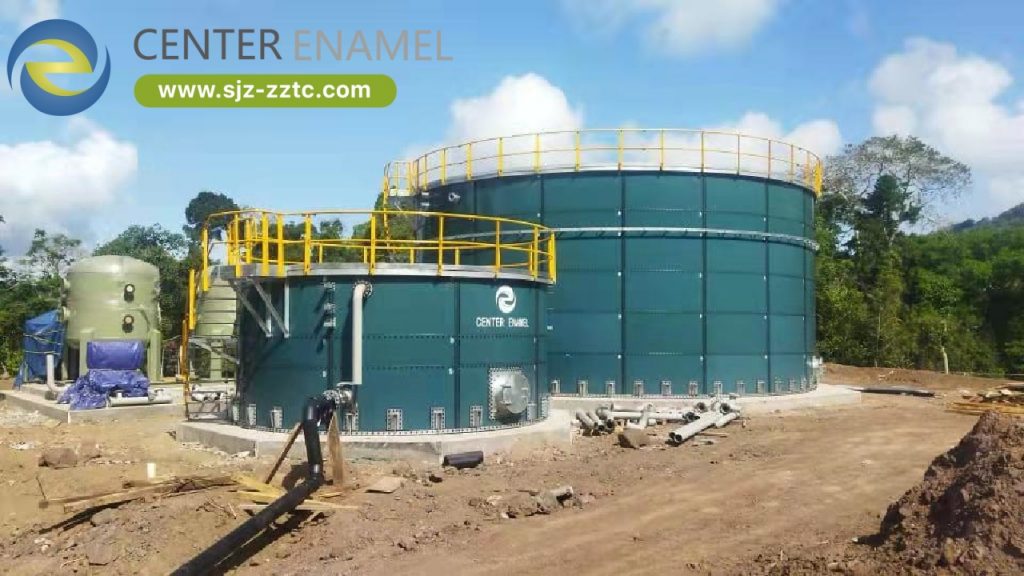
Shijiazhuang Zhengzhong Technology Co., Ltd, operating under the world-renowned brand Center Enamel, stands at the forefront of this industrial sector. With over thirty years of innovation and projects deployed in more than one hundred countries, we provide the turnkey containment and processing infrastructure that makes high-efficiency Sludge Digestion possible. By integrating Glass Fused to Steel (GFS) technology, high-performance Epoxy Coated Tanks, and advanced gas management systems, we empower facilities to turn a waste liability into a renewable energy asset.
The Fundamentals of Sludge Digestion
To understand the value of this process, one must first define its role within the broader Wastewater Treatment train. Sludge is composed of the concentrated organic and inorganic solids removed during primary and secondary treatment. Without stabilization, this material is biologically active, odorous, and potentially hazardous.
1. The Biological Objectives
The primary goals of Sludge Digestion are:
Volume Reduction: Breaking down volatile solids to decrease the amount of material requiring transport and disposal.
Pathogen Destruction: Utilizing biological heat and microbial competition to neutralize harmful bacteria and viruses.
Stabilization: Converting putrescible organic matter into stable, odorless inorganic and organic residues.
Energy Recovery: Capturing the methane gas produced during the process to generate power or heat.
2. Anaerobic vs. Aerobic Digestion
While both methods are used in Wastewater Treatment, anaerobic digestion is the preferred choice for large-scale operations due to its ability to produce energy.
Anaerobic Digestion: Occurs in an oxygen-free environment. It is more complex to manage but offers the highest ROI through biogas production and significant sludge volume reduction.
Aerobic Digestion: Uses oxygen to break down solids. It is often used in smaller plants due to its simpler operation, though it consumes electricity rather than producing it.
The Four Stages of the Anaerobic Digestion Process
As an industry leader, Center Enamel designs infrastructure that optimizes the four distinct biological stages of the Sludge Digestion sequence:
Hydrolysis: The first stage where complex organic polymers (proteins, carbohydrates, and fats) are broken down into soluble monomers like amino acids and sugars.
Acidogenesis: Bacteria further break down the monomers into volatile fatty acids, alcohols, and carbon dioxide.
Acetogenesis: Microorganisms convert these acids into acetic acid, hydrogen, and carbon dioxide.
Methanogenesis: The final and most sensitive stage, where methanogens convert the acetic acid and hydrogen into methane and carbon dioxide.
Maintaining the delicate balance between these stages requires a highly controlled environment, which is where Center Enamel’s engineering expertise becomes essential.
Core Infrastructure: The Pillars of Digestion Excellence
The reliability of a Sludge Digestion project depends on the durability and integrity of the digestion vessels. Center Enamel provides a hardware portfolio engineered for these aggressive biological environments.
1. Glass Fused to Steel (GFS) Tanks
Our flagship GFS tanks are the global benchmark for core digestion reactors. By fusing high-tech glass enamel to specialized steel at temperatures exceeding eight hundred twenty degrees Celsius, we create a material that combines the structural strength of steel with the chemical inertness of glass. These tanks offer unparalleled resistance to the organic acids and hydrogen sulfide produced during digestion, ensuring a service life that satisfies the most demanding industrial standards.
2. Epoxy Coated Tanks: High-Performance Process Support
As a critical part of our infrastructure portfolio, Center Enamel Epoxy Coated Tanks provide an excellent solution for various auxiliary stages in Wastewater Treatment.
Advanced Coating Technology: Our epoxy tanks utilize a high-specification electrostatic powder coating process. This results in a smooth, durable finish that provides excellent resistance against a wide range of industrial chemicals and sewage residues.
Versatile Application: These tanks are ideal for sludge thickening, equalization, or the storage of treated liquid digestate. They offer a cost-effective yet highly durable alternative where high corrosion resistance is essential.
Factory-Controlled Precision: Every tank is manufactured under strict conditions to ensure consistent coating thickness and superior bond strength, providing a reliable long-term storage solution.
3. Double Membrane Roof: Advanced Gas Harvesting
In any high-efficiency Sludge Digestion project, capturing the produced biogas is vital.
Dynamic Storage: Our Double Membrane Roof systems feature an inner gas-holding membrane and a pressurized outer protective membrane. This ensures zero methane leakage while regulating internal pressure.
Environmental Integrity: The gas-tight seal prevents odor escape, a critical factor for facilities located near residential areas.
4. Aluminum Dome Roofs: Maintenance-Free Protection
For the storage of treated digestate or process water where gas capture is not the primary requirement, Center Enamel provides specialized Aluminum Dome Roofs.
Corrosion Resistance: Constructed from high-strength aluminum alloy, these roofs are naturally resistant to the humid and corrosive atmosphere of a treatment plant.
Structural Efficiency: The geodesic design allows for vast spans without the need for internal support columns, ensuring that internal mixing equipment can operate without obstruction.
Comprehensive System Integration: The EPC Advantage
Beyond providing world-class tanks and covers, Center Enamel excels in the seamless integration of auxiliary systems. This holistic approach ensures that the Sludge Digestion process functions as a unified, high-performance system.
1. Advanced Mixing and Agitation
To prevent sedimentation and ensure optimal microbial contact, we integrate high-efficiency mixing systems. These are designed to maintain a homogeneous environment within our Epoxy Coated Tanks and GFS reactors, preventing the formation of dead zones and maximizing methane yields.
2. Sludge Thickening and Dewatering
Before digestion, sludge must be thickened to increase the solids concentration. After digestion, it must be dewatered to reduce volume further. Center Enamel provides the integrated equipment necessary for these stages, including screw presses and centrifuges, to ensure the most efficient handling of solids.
Global Project Excellence: Center Enamel Project Cases
Our expertise in providing comprehensive solutions for Sludge Digestion and Wastewater Treatment is proven through successful installations worldwide:
Hebei Cangzhou Industrial Wastewater Project Supporting regional environmental protection, Center Enamel provided thirteen units of tanks for this significant industrial initiative. These vessels serve as the backbone for a large-scale integrated treatment network.
Sichuan Brewing Wastewater Treatment Project This project utilized six units of our high-performance GFS tanks. The installation highlights our expertise in providing integrated anaerobic solutions for high-strength organic wastewater, ensuring stable biological performance and efficient energy recovery.
Jiangsu Xuzhou Biogas and Sludge Project This project involved the deployment of four units of our advanced containment technology. It serves as a model for how professional EPC services can rapidly build the essential infrastructure needed for industrial water and energy recovery.
Engineering the Future of Sludge Management
The successful execution of a Sludge Digestion strategy relies on the reliability, efficiency, and modularity of the infrastructure used. By selecting a specialized partner like Center Enamel, organizations secure a foundation of certified, modular, and durable hardware.
At Shijiazhuang Zhengzhong Technology Co., Ltd (Center Enamel), we are dedicated to providing the innovation and engineering excellence that make these projects a success. From our premier GFS tanks and high-performance Epoxy Coated Tanks to our specialized Double Membrane Roofs and Aluminum Dome Roofs, we offer a total containment solution designed for the future of industrial sustainability. Our commitment to quality ensures that every project we undertake is built to perform and engineered to last.