
What Is Solid Waste? A Complete Guide to Sustainable Management and Biogas Solutions
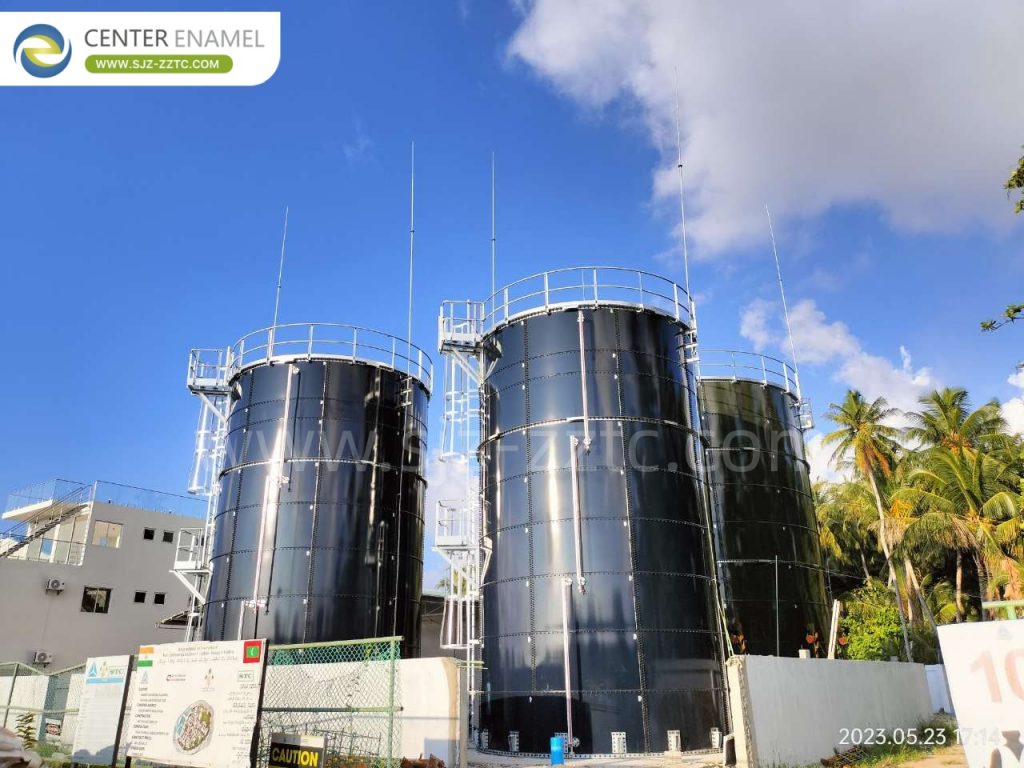
Solid waste refers to discarded materials that are no longer required by the owner or user . According to the biomedical ontology definition, solid waste encompasses garbage, refuse, sludge, or other discarded materials from wastewater treatment plants, water supply treatment facilities, and air pollution control systems. This includes solid, semi-solid, or contained materials but excludes materials dissolved in domestic sewage, irrigation return flows, or industrial discharges .
In everyday terms, solid waste represents the byproducts of human activity—materials we no longer need and discard. The UNDRR defines solid waste synonymously with terms like refuse, trash, garbage, household waste, urban waste, and municipal refuse . This broad definition covers everything from household kitchen scraps to industrial byproducts, construction debris, and agricultural residues.
The global scale of the solid waste challenge is staggering. Every year, the world produces over two billion tonnes of municipal waste—a figure projected to rise by 73 percent to nearly four billion tonnes by 2050 . Currently, 23 percent of the waste produced globally goes uncollected, while 33 percent is openly dumped. In low-income countries, the situation is even more critical, with 60 percent of solid waste going uncollected and 93 percent improperly managed .
Types and Sources of Solid Waste
Solid waste comes from a diverse range of sources. The World Bank, the world's largest financier of solid waste management with approximately $5.1 billion in official development financing from 2003 to 2021, categorizes solid waste based on its origin and composition .
Municipal Solid Waste includes everyday items discarded by households and commercial establishments. This encompasses food waste, paper, plastics, glass, metals, and textiles. The organic fraction of municipal solid waste—food scraps and yard trimmings—represents a significant portion and offers considerable potential for energy recovery.
Agricultural Waste includes crop residues, animal manure, and other farming byproducts. This category is particularly relevant for biogas production, as livestock manure and crop residues are excellent feedstocks for anaerobic digestion.
Industrial Waste covers byproducts from manufacturing processes, including non-hazardous materials like paper pulp, food processing waste, and packaging materials. Many of these organic wastes can be diverted from landfills to biogas production facilities.
Construction and Demolition Waste includes concrete, wood, metals, and other materials from building projects. While less suitable for biogas, much of this waste can be recycled.
Hazardous Waste comprises materials that pose risks to human health or the environment, including chemicals, batteries, and medical waste .
Organic Solid Waste deserves special attention because it represents both a significant environmental problem and a valuable resource opportunity. This category includes food waste, agricultural residues, manure, sewage sludge, and the organic fraction of municipal solid waste (OFMSW). When organic waste decomposes in landfills without oxygen, it releases methane—a greenhouse gas 25 times more potent than carbon dioxide .
The Environmental Challenge of Solid Waste
The improper management of solid waste creates severe environmental and public health consequences. Open dumping and uncontrolled burning release harmful pollutants, contaminate groundwater, degrade soil quality, and contribute to climate change. A 2024 study on anaerobic digestion of organic solid waste confirms that landfills remain the primary disposal method for solid waste globally, despite their environmental drawbacks .
The situation is particularly acute for organic waste. When organic matter decomposes anaerobically in landfills, methane generation begins, contributing significantly to greenhouse gas emissions. The European Union has recognized this challenge, setting a legally-binding target of 32% renewable energy by 2030, with biogas production identified as a crucial milestone .
Current solid waste management strategies are evolving to prioritize waste reduction, recycling, resource recovery, and sanitary disposal . The circular economy model encourages transforming waste from a burden into a resource—and nowhere is this more apparent than in biogas production from organic solid waste.
The Solution: Turning Solid Waste into Biogas
The conversion of organic solid waste into biogas represents a powerful solution to the global waste crisis. Anaerobic digestion—a biological process where microorganisms break down organic matter in the absence of oxygen—produces methane-rich biogas and nutrient-rich digestate .
This process can handle diverse organic feedstocks:
Agricultural residues (crop stalks, leaves)
Livestock manure
Food processing waste
Municipal organic waste
Sewage sludge
Garden and horticultural waste
The biogas produced typically contains 50-70% methane and can be used directly for heating, electricity generation, or upgraded to biomethane for vehicle fuel or injection into natural gas networks. The digestate byproduct serves as a valuable organic fertilizer, closing the loop in a circular economy approach.
Research demonstrates that anaerobic digestion of organic solid waste achieves optimal performance at an organic loading rate of 3.67 kgVSadd/m³reactor/day, yielding methane productivity of 1.91 LNCH4/Lreactor/day . This makes it a highly efficient method for both waste treatment and energy recovery.
The World Bank's support for sustainable waste management includes projects that divert organic and recyclable waste, manage landfill gas, and support resource recovery . This aligns with the growing global recognition that organic solid waste is not merely a disposal problem but an energy opportunity.
Center Enamel: Your Trusted Partner for Solid Waste-to-Biogas Solutions
Center Enamel has been a global leader in the water, wastewater, and biogas sectors. As the largest manufacturer of Glass-Fused-to-Steel (GFS) tanks in Asia, with a 150,000m² R&D and production base and over 500 employees, we provide comprehensive solutions for solid waste-to-energy projects worldwide .
Comprehensive EPC Services: Center Enamel is not just a manufacturer but a complete EPC (Engineering, Procurement, and Construction) contractor. We handle every stage of your biogas project—from initial site assessment and feedstock analysis to process design, equipment manufacturing, shipping, installation, and commissioning. This turnkey approach ensures a single point of accountability, simplifying project management and ensuring quality delivery.
World-Class GFS Tanks: Our Glass-Fused-to-Steel tanks provide exceptional durability and corrosion resistance essential for biogas applications. Through a proprietary process firing molten glass at 820°C to 930°C, the glass fuses to the steel surface, creating an inert, inorganic bond . The result is a tank with the strength of steel and the corrosion resistance of glass—capable of withstanding the acidic, corrosive environment inside anaerobic digesters for over 30 years with minimal maintenance.
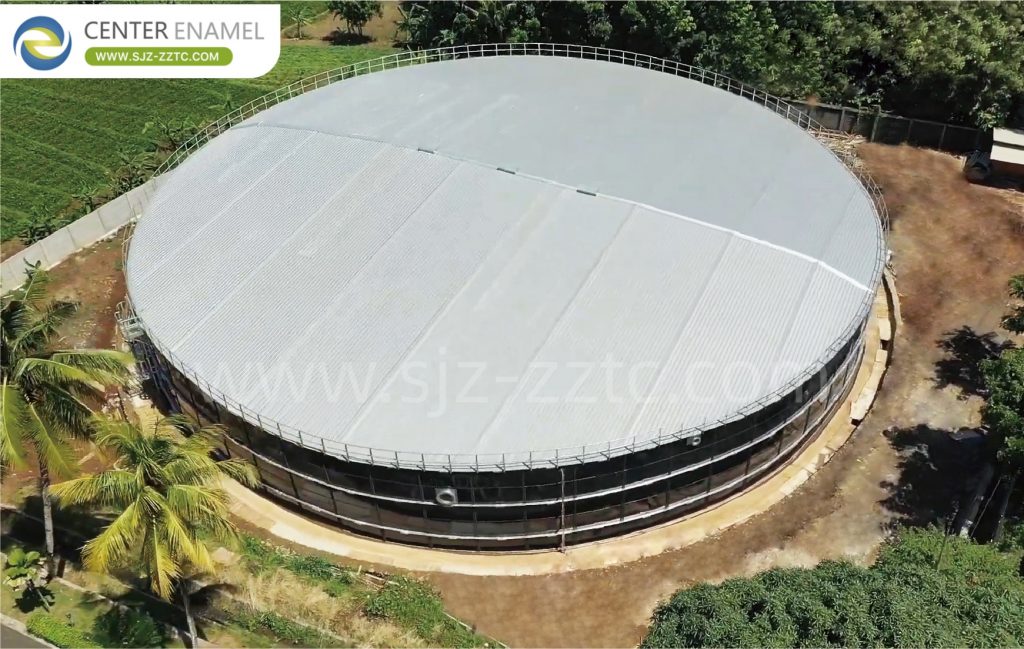
Double Membrane Roof Technology: For biogas storage and collection, our Double Membrane Roof system offers significant advantages: cost optimization through reduced construction expenses, space efficiency by eliminating the need for separate gas holders, and superior gas-tight integrity ensuring safe methane capture .
Industry-Leading Experience: With successful projects delivered in over 100 countries and collaborations with global leaders like Veolia, Paques, Heineken, and Coca-Cola, Center Enamel brings proven expertise to your biogas project . We are fully certified to international standards, including ISO 9001, CE, NSF/ANSI 61, WRAS, and ISO 28765, ensuring world-class quality and safety .
Supporting Equipment: Center Enamel supplies a complete range of supporting equipment for biogas projects, including gas holders, solid-liquid separators, torch systems, dehydration and desulfurization tanks, lifting pumps, and screw sludge dewatering machines. This comprehensive approach ensures your plant operates efficiently and reliably.
Conclusion
Solid waste is a global challenge of staggering proportions—over two billion tonnes annually and growing—but organic solid waste represents a tremendous opportunity. By converting organic waste through anaerobic digestion, we can simultaneously reduce greenhouse gas emissions, generate renewable energy, and produce valuable fertilizer.
Center Enamel stands ready to support this transformation with over 36 years of experience, world-class GFS tank technology, and comprehensive EPC services. Whether you are managing agricultural waste, municipal organic waste, or industrial byproducts, our biogas solutions can turn your solid waste challenge into a profitable renewable energy asset.
Partner with Center Enamel and transform waste into value—for your business, your community, and the planet.
Frequently Asked Questions (FAQs)
1. What types of solid waste are suitable for biogas production?
Biogas production is most effective with organic solid waste, including food waste, agricultural residues, livestock manure, sewage sludge, and the organic fraction of municipal solid waste. These materials have high biodegradability and provide the organic matter necessary for anaerobic digestion. Lignocellulosic waste (wood, straw) requires pre-treatment to break down lignin before digestion .
2. What is the difference between solid waste management and waste-to-energy?
Solid waste management encompasses the entire system of collection, transport, treatment, and disposal of waste. Waste-to-energy is a subset of treatment technologies that convert non-recyclable waste materials into energy. Biogas production through anaerobic digestion is a waste-to-energy technology that simultaneously treats organic waste and generates renewable energy .
3. Why are Glass-Fused-to-Steel tanks preferred for biogas projects?
Glass-Fused-to-Steel (GFS) tanks provide superior corrosion resistance essential for the acidic environment inside anaerobic digesters. The glass coating is chemically inert and impermeable, preventing degradation from organic acids and hydrogen sulfide. GFS tanks also offer rapid installation (7-10 days), a service life exceeding 30 years, and minimal maintenance requirements, making them cost-effective over their lifecycle .