
What Is Swine Wastewater? Sources, Environmental Hazards and Integrated Treatment Solutions
Swine wastewater is one of the most challenging agricultural effluents—highly concentrated, complex, and voluminous. Generated from pig manure, urine, wash water, and feed residues, it carries massive organic loads, ammonia nitrogen, pathogens, and heavy metals. Without proper treatment, it devastates water bodies, soils, and air quality, while inviting regulatory penalties. Yet, with modern anaerobic digestion and resource-recovery technologies, this pollution stream can be transformed into biogas energy and organic fertilizer—turning a environmental liability into a valuable asset for sustainable pig farming.
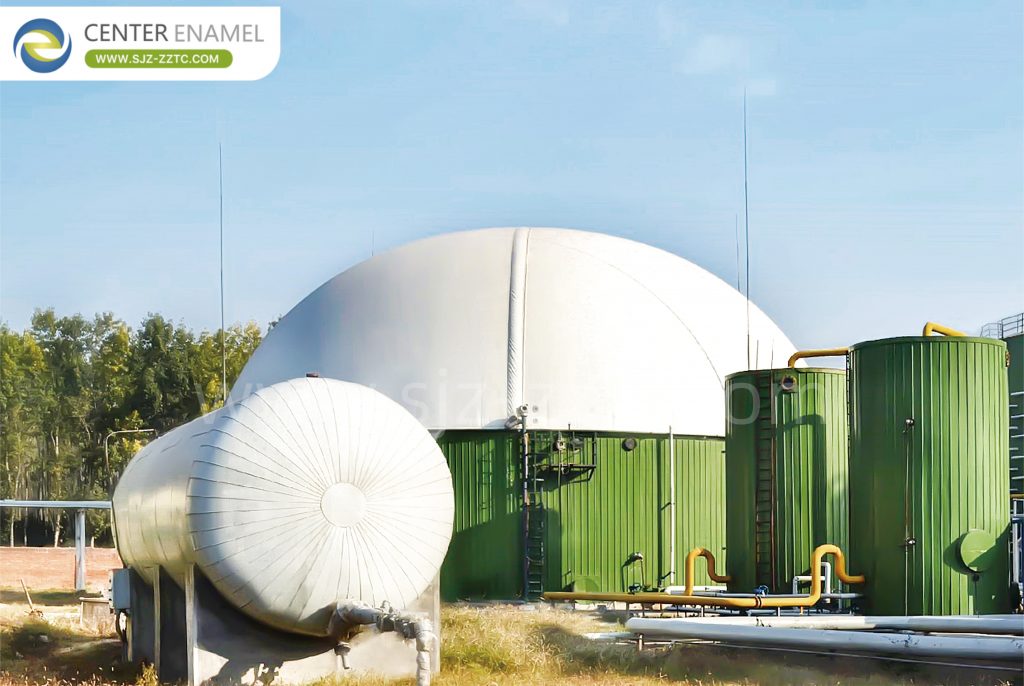
What Is Swine Wastewater?
Swine wastewater is a high-concentration organic effluent generated during intensive pig farming. It is primarily composed of pig feces, urine, residual feed, farm washing water, and domestic water from the breeding area. Widely recognized as one of the most challenging agricultural wastewaters to treat, its complex composition, high pollutant load, and large daily output demand robust, integrated solutions.
Typical characteristics of swine wastewater include:
Extremely high organic matter: COD ranges from 15,000 to 50,000 mg/L, BOD from 8,000 to 30,000 mg/L.
High ammonia nitrogen and total nitrogen: up to 2,000–5,000 mg/L, causing serious eutrophication risks.
High suspended solids (SS): containing large amounts of fiber, sediment, and residual feed, prone to deposition and pipeline blockages.
Contains pathogens, antibiotics, heavy metals (copper, zinc), and odor-causing substances (hydrogen sulfide, ammonia).
Acidic to neutral pH, highly corrosive to ordinary storage and treatment structures.
Each finishing pig produces about 15–30 liters of wastewater per day; a large-scale pig farm with 10,000 pigs can generate more than 150 tons of wastewater daily, making proper treatment essential for sustainable operations.
How Is Swine Wastewater Generated?
Swine wastewater is mainly produced in three key links of modern pig farms:
Excretion of pigs: Feces and urine are the core sources. Urine contains dissolved nitrogen and phosphorus; feces contribute high organic solids and pathogens. The mixture forms the primary concentrated wastewater.
Housing washing and cleaning: High-pressure water flushing of pens, floors, and troughs is the largest water-consuming link. Washing water mixes with excrement to form dilute but high-volume flushing wastewater.
Feed residue and farm domestic water: Waste feed, spoiled feed, and staff domestic water further increase the volume and complexity of the final mixed wastewater.
Different manure removal methods directly affect wastewater concentration:
| Manure Removal Method | Water Content | Solid Concentration | Treatment Difficulty | Common Application |
| Dry Manure Removal | Low | High | High (requires dilution) | Medium-large farms with solid separation |
| Water-Flush Manure Removal | High | Relatively Low | Moderate (suitable for biochemical treatment) | Large-scale industrial farms |
| Blister (Deep-Pit) Manure Removal | Medium | Medium | High (high corrosiveness and odor) | Farms with long-term storage pits |
Environmental and Ecological Hazards of Untreated Swine Wastewater
Direct discharge or improper treatment brings severe and long-term hazards:
Water Pollution – Nitrogen, phosphorus, and organic matter cause eutrophication, algal blooms, and fish kills. Ammonia nitrogen is toxic to aquatic life. Leakage contaminates groundwater, making it unfit for drinking or irrigation.
Air Pollution and Odor – Decomposing organic matter releases hydrogen sulfide, ammonia, and volatile organic acids, affecting surrounding communities and pig health. Toxic gases also corrode farm facilities.
Soil Degradation and Salinization – Long-term irrigation with untreated wastewater leads to nutrient overload, heavy metal accumulation, soil compaction, and reduced crop yields.
Pathogen Transmission – Swine wastewater carries E. coli, Salmonella, parasites, and viruses, which spread through water, soil, and insects, threatening animal and human health.
Regulatory Violations and Fines – Most countries enforce strict discharge standards. Farms failing to meet standards face fines, production suspension, or mandatory relocation.
Mainstream Swine Wastewater Treatment Technologies
Modern treatment follows a resource-oriented, energy-recycling model, combining pretreatment, anaerobic digestion, aerobic treatment, and deep purification:
Pretreatment – Solid-liquid separation removes most suspended solids; equalization tanks stabilize volume, quality, and pH.
Anaerobic Digestion (Core Link) – Under oxygen-free conditions, microorganisms decompose organic matter into biogas (methane + CO₂). This achieves 60–85% COD removal, produces renewable energy, and has low sludge yield.
Common processes: CSTR (ideal for high solids), UASB (high load, small footprint), USR (simple, low cost), IC (ultra-high load for large farms).
Aerobic Post-Treatment – A/O, SBR, or MBR further remove ammonia nitrogen, total nitrogen, and residual COD to meet discharge standards.
Resource Utilization – Biogas is used for power generation, heating, or boiler fuel; biogas slurry and residue are processed into organic fertilizer, completing a breeding-planting cycle.
Key Technology Comparison Table
| Technology | Best Application | COD Removal Rate | Biogas Yield | Footprint | Operating Cost |
| CSTR | High-solid manure (dry removal) | 70–85% | High | Medium | Medium |
| UASB | Liquid-rich wastewater (flush systems) | 65–80% | Medium | Small | Low |
| USR | Medium/small farms, simple operation | 60–75% | Medium | Large | Low |
| IC Reactor | Large-scale, high-load farms | 75–90% | Very High | Very Small | Medium-High |
| A/O + MBR | Post-anaerobic polishing for strict discharge | >95% (overall) | N/A | Medium | High |
Center Enamel: Trusted Biogas Project EPC Contractor for Swine Wastewater Treatment
As a leading global provider of swine wastewater treatment solutions and biogas project EPC contractor, Center Enamel has delivered turnkey projects for pig farms in more than 100 countries, with outstanding technical and equipment advantages:
Advanced Process Design – Customized integrated processes based on farm scale, manure removal mode, and water quality (e.g., CSTR+UASB for high-solids; UASB/IC+A/O for water-flush farms). Full-process intelligent control ensures stable compliance and high biogas production.
Core Equipment: Glass-Fused-to-Steel (GFS) Tanks – Perfectly suited for swine wastewater with ultra-strong corrosion resistance (pH 1–14), seismic and weather resistance, fast bolted installation (no welding), and a service life exceeding 30 years with minimal maintenance.
Complete Supporting Equipment – Solid-liquid separators, CSTR mixers, double-membrane gas holders, biogas desulfurization/dehydration units, FBE epoxy tanks, aluminum dome roofs, pipes, valves, and electrical control systems.
Full-Chain EPC Service – Asia’s largest GFS tank production base; products meet ISO 28765, AWWA D103-09, and NSF/ANSI 61 standards. As the main drafter of China’s GFS tank industry standard, Center Enamel leads global quality benchmarks. Hydraulic jacking installation technology suits narrow or remote sites without large cranes.
What is swine wastewater? It is both a major pollution source and a valuable biomass resource. With the global trend toward green and intensive pig farming, standardized, resource-based, and energy-recycling treatment has become an inevitable choice. Center Enamel, as a professional biogas project EPC contractor, relies on advanced anaerobic technologies, high-quality GFS tanks, and rich global project experience to provide safe, efficient, and economical solutions for swine wastewater treatment. We help pig farms turn waste into wealth, achieve environmental compliance, energy self-sufficiency, and sustainable development.
Whether you are planning a new pig farm wastewater project or upgrading an existing system, Center Enamel is your reliable long-term partner.
Frequently Asked Questions (FAQ)
1. Why is swine wastewater considered more difficult to treat than municipal sewage?
Swine wastewater has COD and ammonia nitrogen concentrations 50–100 times higher than typical municipal sewage, along with high suspended solids, heavy metals, and antibiotics. These factors inhibit biological treatment processes and require specialized anaerobic-aerobic integrated systems.
2. What is the typical biogas yield from treating swine wastewater?
On average, 1 m³ of raw swine wastewater can produce 10–15 m³ of biogas (60–70% methane) under mesophilic anaerobic digestion. A 10,000-head pig farm can generate 1,000–1,500 m³ of biogas daily, sufficient to power a 200–500 kW generator.
3. How does Center Enamel ensure the corrosion resistance of GFS tanks in swine wastewater?
Center Enamel’s GFS tanks undergo a two-coat, one-fire firing process at 800–900°C, creating an inert glass layer that is chemically resistant to organic acids, ammonia, and hydrogen sulfide (pH 1–14). Each tank plate is tested with a 1500V spark test to ensure pinhole-free coating.
4. Can existing pig farms retrofit their wastewater systems without stopping production?
Yes. Center Enamel specializes in retrofitting projects using modular GFS tanks and hydraulic jacking installation, which requires minimal site disturbance. Pretreatment and post-treatment units can be installed in phases, allowing farms to maintain partial operations during construction.
5. What are the long-term operational costs of a swine wastewater biogas system?
Operational costs primarily include electricity for mixing and pumping, minor chemical additions for pH adjustment, and routine maintenance of mechanical parts. However, these are largely offset by biogas-generated electricity (saving 30–50% of farm energy costs) and revenue from selling organic fertilizer, typically achieving a payback period of 3–5 years.