
What Is the A2O Method for Wastewater Treatment? A Complete Guide to Anaerobic-Anoxic-Oxic Technology
The A2O method (Anaerobic-Anoxic-Oxic) is one of the most widely adopted biological nutrient removal technologies in municipal wastewater treatment plants worldwide. Originally developed to address eutrophication in receiving waters, the A2O process integrates three distinct biological environments in sequence to achieve simultaneous removal of organic matter, nitrogen, and phosphorus in a single sludge system.
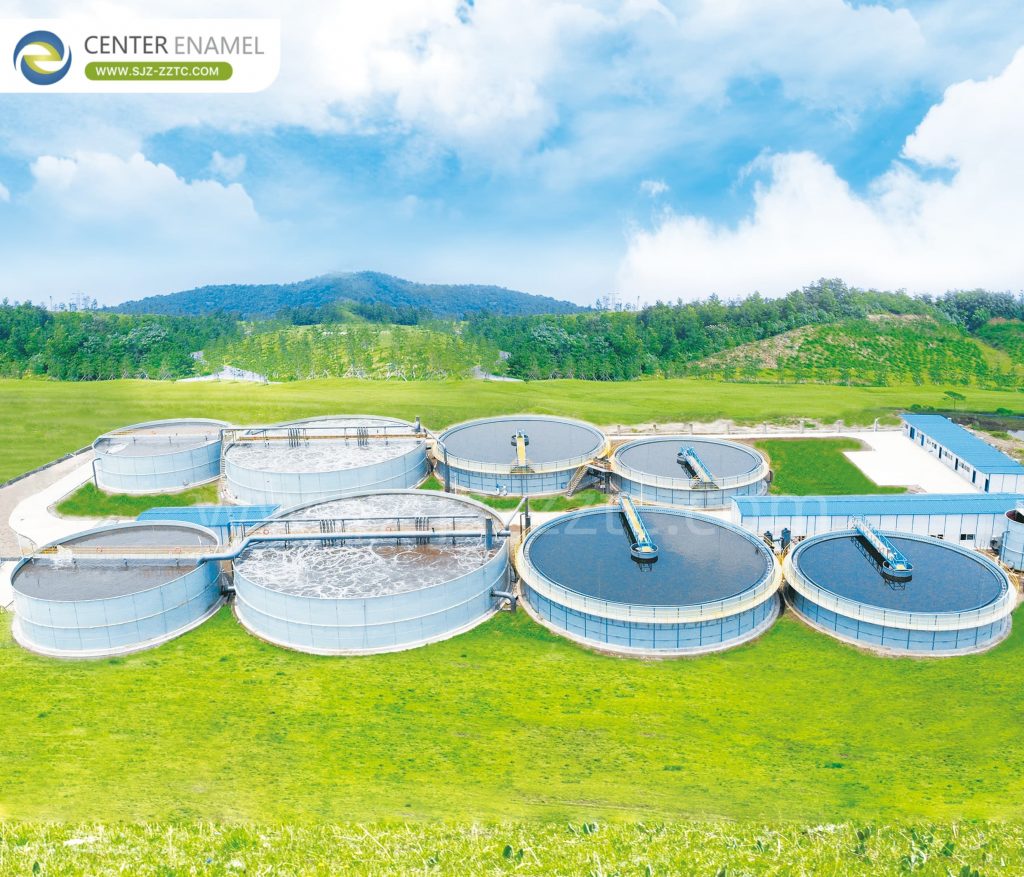
Unlike conventional activated sludge processes that focus primarily on organic carbon removal, the A2O configuration creates specialized conditions for different microbial communities to thrive-each performing a specific role in pollutant elimination. This makes it particularly valuable for modern wastewater treatment facilities facing increasingly stringent discharge standards for nitrogen and phosphorus.
The Three Zones and Their Biological Functions
The A2O process derives its name from the three sequential reactor zones through which wastewater flows: anaerobic, anoxic, and oxic (aerobic).
The Anaerobic Zone
In the first zone, wastewater enters without dissolved oxygen or nitrate. Here, phosphorus-accumulating organisms (PAOs) consume readily biodegradable organic matter-particularly volatile fatty acids (VFAs)-and store them as intracellular polyhydroxyalkanoates (PHAs). This metabolic activity triggers the release of phosphate from the biomass into the liquid phase, a critical step for subsequent phosphorus uptake.
The Anoxic Zone
The second zone maintains oxygen limitation (typically dissolved oxygen below 0.5 mg/L) but contains nitrate recycled from the oxic zone. Denitrifying bacteria use this nitrate as an electron acceptor and the organic carbon (from the influent or from internal storage) as an electron donor, converting nitrate to nitrogen gas that escapes to the atmosphere. This process, known as denitrification, simultaneously removes nitrogen and reduces the organic load entering the aerobic zone.
The Oxic (Aerobic) Zone
The final zone is aerated to maintain dissolved oxygen concentrations typically between 2 and 5 mg/L. Here, nitrifying bacteria oxidize ammonia to nitrite and then to nitrate. Meanwhile, PAOs take up soluble phosphate from the liquid phase-substantially more than they released in the anaerobic zone-storing it as polyphosphate inside their cells. Aerobic heterotrophs also polish residual organic matter. The mixed liquor then flows to a secondary clarifier for solid-liquid separation, with settled sludge recycled to the head of the process.
Key Operational Parameters
Successful A2O performance depends on carefully managing several interdependent variables.
Carbon-to-Nitrogen (C/N) Ratio: This parameter strongly influences denitrification efficiency. Research indicates that a C/N ratio around 5 provides balanced nutrition for microbial communities, supporting glucose COD removal above 98%. When C/N exceeds 25, nitrogen limitation suppresses microbial activity and reduces overall treatment performance.
Dissolved Oxygen Control: Each zone demands different DO levels. The anaerobic and anoxic zones require near-zero oxygen to maintain their respective metabolic pathways, while the oxic zone needs sufficient aeration for nitrification-typically 2 mg/L or higher. Excessive DO in recycle streams can impair phosphorus release and denitrification.
Sludge Retention Time (SRT): There is an inherent conflict in SRT requirements: nitrifiers need longer retention times, while PAOs perform better with shorter SRTs. Optimized values often fall between 15 and 20 days.
Internal Recycle Ratio: Nitrate-rich mixed liquor returns from the oxic zone to the anoxic zone. Typical ratios range from 200% to 300% of influent flow, directly affecting denitrification capacity.
Hydraulic Retention Time (HRT): Total system HRT influences contact time between microorganisms and substrates. Optimized values around 7 hours have been reported for biofilm-integrated A2O systems.
Performance and Treatment Efficiency
Well-operated A2O systems consistently achieve high removal rates for multiple pollutant categories. The following table summarizes typical performance data from municipal wastewater applications.
| Parameter | Typical Removal Efficiency | Effluent Concentration | Notes |
| COD | 90–98% | 20–50 mg/L | Peaks at C/N ~5 with >98% removal |
| BOD | 95–98% | <10 mg/L | Seasonal variations minimal |
| Total Nitrogen (TN) | 70–90% | 10–20 mg/L | Enhanced with optimized recycle ratios |
| Ammonia (NH₄⁺-N) | 93–98% | <5 mg/L | Robust nitrification in oxic zone |
| Total Phosphorus (TP) | 50–90% | 0.5–2 mg/L | Wide range; often the limiting performance factor |
A significant finding from full-scale A2O operations is that phosphorus removal frequently underperforms compared to nitrogen and organic removal. This limitation stems from multiple factors: nitrate in the return sludge stream can impair anaerobic phosphorus release, detergents and surfactants may inhibit PAOs, and phosphorus can be recycled from sludge processing operations back to the influent. Practical experience suggests that A2O systems often require supplemental chemical phosphorus removal to meet strict TP limits.
Advantages and Limitations
Advantages:
The A2O configuration offers several compelling benefits for municipal treatment facilities. It provides simultaneous removal of carbon, nitrogen, and phosphorus in a relatively compact footprint compared to separate treatment trains. The process operates with low sludge production compared to purely aerobic systems, reducing biosolids handling costs. The alternating anaerobic-anoxic-oxic conditions also suppress filamentous bacteria growth, avoiding the sludge bulking problems common in completely aerobic systems. A2O plants demonstrate strong resilience to shock loads in both hydraulic and organic terms.
Limitations:
The process has notable drawbacks. Carbon source competition exists between denitrifiers in the anoxic zone and PAOs in the anaerobic zone, particularly problematic for low C/N municipal wastewater. The inherent SRT conflict means optimizing conditions for both nitrifiers and PAOs is challenging. Recirculation requirements are substantial-multiple pumps return sludge and mixed liquor-increasing operational complexity and energy consumption. Finally, phosphorus removal reliability remains the weakest link, as noted above.
Design Variations and Process Modifications
Engineers have developed several adaptations to address the A2O process's inherent limitations.
| Modification | Key Innovation | Primary Benefit | Trade-off |
| Biofilm-Integrated A2O | Carriers added for attached growth | Decouples SRT; stable nitrification at low temperatures; TN 10–15 mg/L | Carrier fouling risk; higher energy |
| Reversed A2O | Reorders zones to preliminarily consume nitrate | Enhanced denitrification; simple retrofit | Carbon competition with PAOs |
| Multi-Stage A2O | Multiple anoxic stages with additional pre-denitrification | Superior low C/N performance; TN 90%+ removal | Greater footprint; more complex control |
| Five-Tank A2O | Additional compartments without recycle equipment | Eliminates pump costs; COD 89%, TN 74% removal | Limited full-scale validation |
| External Carbon-Enhanced | Supplemental carbon dosing | Adapts to ultra-low C/N (<2.5) | High operating cost; secondary pollution risk |
The multi-stage A2O biofilm system has shown particular promise for treating low C/N domestic wastewater in rural areas, achieving COD removal of 74.2%, ammonia removal of 93.4%, TN removal of 90.6%, and TP removal of 86.3% in full-scale operation. For very low C/N ratios (below 2.5), however, even modified A2O configurations face fundamental thermodynamic and kinetic limits that may require external carbon supplementation.
Practical Applications in Municipal Treatment
The A2O process is most commonly deployed in medium-to-large municipal wastewater treatment plants, with typical applications exceeding 100,000 cubic meters per day capacity. Its suitability for municipal wastewater stems from the generally balanced carbon, nitrogen, and phosphorus composition of domestic sewage-conditions for which the process was originally designed.
In China, numerous large-scale facilities have adopted A2O technology. The Gaobeidian Wastewater Treatment Plant in Beijing employs conventional A2O to treat municipal sewage to Class 1B discharge standards. The Qinghe Wastewater Treatment Plant, with 400,000 m³/d capacity, handles wastewater from mixed residential, commercial, and industrial sources using A2O as part of its treatment train.
Beyond standard municipal applications, A2O systems have been adapted for industrial wastewater treatment, including plastic recycling wastewater and electroplating effluent, though performance may require adjustment for atypical contaminant profiles. Detergent and surfactant removal in A2O systems is particularly effective, with linear alkylbenzene sulfonate (LAS) removal exceeding 95%, primarily through aerobic biodegradation.
Frequently Asked Questions
What does the abbreviation A2O stand for in wastewater treatment?
A2O stands for Anaerobic-Anoxic-Oxic, representing the three sequential biological zones in the process. The "2" in the abbreviation is sometimes written as a subscript (A²O) to indicate the two "A" words preceding the "O" zone. In some literature, it is also referred to as the A/A/O process, with the same meaning.
How does A2O differ from conventional activated sludge?
Conventional activated sludge primarily removes organic matter (measured as BOD and COD) through aerobic biological oxidation. The A2O process adds dedicated anaerobic and anoxic zones upstream of the aerobic zone to create conditions for biological nitrogen and phosphorus removal. This multi-zone configuration supports specialized microbial communities-denitrifiers and phosphorus-accumulating organisms-that cannot thrive in purely aerobic systems. The result is simultaneous removal of carbon, nitrogen, and phosphorus rather than carbon alone.
What is the biggest operational challenge with A2O systems?
The most persistent operational challenge is balancing the competing needs of different microbial groups, particularly for phosphorus removal. Phosphorus-accumulating organisms require alternating anaerobic and aerobic conditions with readily biodegradable carbon, but they compete with denitrifying bacteria for the same carbon sources in the anoxic zone. Additionally, nitrate carried in the return sludge can disrupt anaerobic phosphorus release, and the long sludge retention time favorable for nitrification can be detrimental to PAO activity. These conflicting requirements mean that optimized nitrogen removal and optimized phosphorus removal may not be achievable simultaneously without supplemental measures such as chemical precipitation or external carbon dosing.