
What Is the Appropriate Use of Cow Dung? A Complete Guide from Traditional to Modern Applications
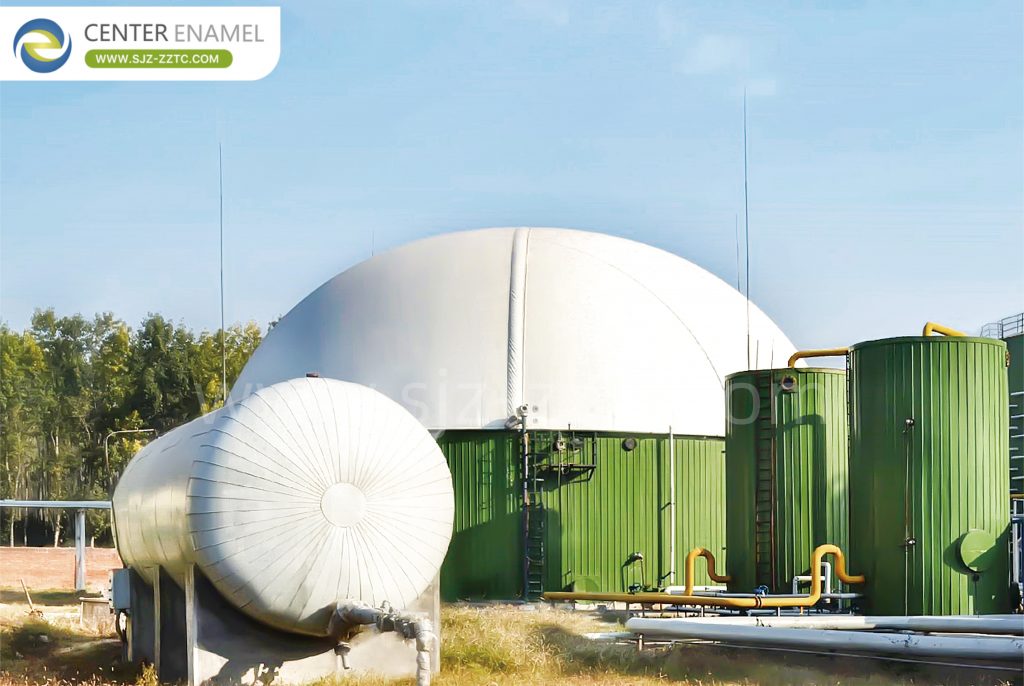
Cow dung has been utilized by human civilizations for millennia, serving as fuel, fertilizer, and building material across diverse cultures. However, the appropriate use of cow dung has evolved significantly with modern technology. Today, advanced Biogas Technology enables the transformation of this abundant agricultural waste into renewable energy, with GFS Tanks and the CSTR Process representing the cutting edge of sustainable waste management solutions.
What Is Cow Dung and Why Does It Matter?
Cow dung is the undigested residue of plant matter that has passed through a bovine animal's digestive system, combined with water, gut bacteria, and digestive enzymes . It is rich in minerals including nitrogen, potassium, phosphorus, and trace amounts of sulphur, iron, magnesium, copper, cobalt, and manganese . With a single cow generating 9–15 kg of dung daily, the global cattle population produces vast quantities of this bioresource . Understanding the appropriate use of cow dung is essential for sustainable agriculture and renewable energy production.
Traditional Uses of Cow Dung Around the World
For centuries, societies across Eurasia have developed practical applications for cow dung that reflect deep indigenous knowledge. In Persia and Afghanistan, dried dung has served as the principal fuel throughout history in regions where wood was scarce . Villagers mixed dung with water and straw, formed it into cakes, and pressed them against walls to dry in the sun before storage or sale .
In India, traditional uses of cow dung are particularly diverse. It has been used as fuel for cooking, as a cleansing agent, as mosquito repellent, and in plastering walls and floors of rural houses to provide insulation during winter and summer . Beyond domestic applications, cow dung has served as a valuable agricultural co-product—as manure, biofertilizer, biopesticide, and a source of energy . These traditional practices demonstrate that the appropriate use of cow dung has long been recognized across cultures.
The Environmental Challenge of Traditional Cow Dung Management
Despite its traditional utility, conventional cow dung management practices often create significant environmental issues. In regions where dung is not fully utilized, the waste part creates a dirty environment and contributes to pollution . Unmanaged cow dung releases methane—a greenhouse gas that affects global warming 21 times more than CO₂ . The Food and Agriculture Organization estimates that animal waste produces 55–65% methane . Traditional disposal methods also lead to water contamination, soil degradation, and nutrient loss when dung is exposed to the elements or applied directly to crops without proper treatment . These challenges highlight the need for a more efficient appropriate use of cow dung that captures its energy potential while minimizing environmental harm.
Modern Solution: Biogas Production from Cow Dung
The most advanced appropriate use of cow dung lies in biogas production through anaerobic digestion. This biological process breaks down organic matter in an oxygen-free environment, producing methane-rich biogas for electricity generation, cooking, and heating. Research confirms that anaerobic digestion of cow manure offers significant energy and environmental benefits . Studies show that one kilogram of cow manure can produce 35–40 liters of biogas when mixed with equal amounts of water under suitable conditions . Biogas from cow dung reduces greenhouse gas emissions, provides renewable energy that offsets reliance on expensive fuels, and generates nutrient-rich digestate as a byproduct. This closed-loop approach addresses both waste management and energy needs .
The CSTR Process: Core Technology for Cow Dung Biogas
The CSTR Process (Continuous Stirred-Tank Reactor) is the preferred anaerobic technology for cow dung biogas projects. This system features a mechanical stirring device that ensures complete mixing of feedstock and microorganisms within a sealed tank [citation:relevant image]. Continuous feeding at a constant temperature maintains stable fermentation conditions, preventing scum formation and sediment accumulation. The CSTR Process effectively handles high-suspended-solids organic waste, delivering consistent and reliable biogas yields with simple operation and management. This technology has been widely adopted in advanced biogas projects globally due to its proven efficiency and reliability.
GFS Tanks: Durable Containment for Biogas Projects
For successful biogas production, durable containment systems are essential. GFS Tanks (Glass-Fused-to-Steel) are manufactured by fusing glass enamel to steel at 820°C–930°C, creating an inert, corrosion-resistant bond . This coating provides exceptional resistance to the acidic environment of anaerobic digestion, ensuring a service life exceeding 30 years with minimal maintenance . The modular bolted design allows rapid on-site assembly, making GFS Tanks suitable for remote agricultural regions. Center Enamel has successfully delivered GFS Tanks for biogas projects worldwide, including a 5,504 m³ tank in Sweden (2024) and 2,752 m³ tank in France (2021) .
Modern Biogas Equipment for Complete Projects
A modern biogas project requires comprehensive equipment beyond the digester tank. Essential components include gas holders for biogas storage and pressure regulation, solid-liquid separators that process digestate into fertilizer and liquid nutrients, dehydration and desulfurization tanks to purify raw biogas by removing moisture and hydrogen sulfide, lifting pumps for reliable slurry transfer, and torch systems to safely flare excess biogas.
Efficient Installation of Biogas Infrastructure
Modern appropriate use of cow dung through biogas technology demands efficient project delivery. Leading providers offer rapid installation with prefabricated panels that minimize on-site construction time, modular designs that simplify shipping to remote locations, zero on-site welding that eliminates weld failures and preserves coating integrity, cost-effective foundations due to lightweight structures, professional supervision from experienced engineers, and easy expansion capabilities as project needs grow.
Economic Benefits of Biogas from Cow Dung
The economic advantages of modern cow dung utilization are substantial. Studies show that biogas production from cow dung saves 8.50 kg of firewood daily compared to traditional fuel use, saves 0.29 kg of petroleum gas per day, and reduces chemical fertilizer requirements by 1.67 kg per day . Economic analysis of bio-slurry in agriculture shows an average cost-benefit ratio of 3.34, indicating economically significant outcomes . With more than 90% of households achieving sustainable development scores recommended by FAO, biogas technology represents a proven pathway to rural economic improvement .
Center Enamel: Global Leader in Biogas Technology
Center Enamel has established itself as a premier provider of biogas solutions with over three decades of international experience. Operating from a 150,000㎡ R&D and production base, Center Enamel delivers comprehensive EPC services from feasibility studies and custom process design to manufacturing, installation, and final commissioning. All products meet international standards including ISO9001, CE/EN1090, and NSF61. The company has successfully executed projects across more than 100 countries, including the Indonesia Biogas Project (2009) with three fermentation tanks, the France Biogas Project (2021), and the Sweden Biogas Project (2024), demonstrating proven expertise in delivering complete biogas solutions . Center Enamel provides full EPC service, international certifications, customized solutions for specific project requirements, and rigorous quality assurance at every stage.
Conclusion
The appropriate use of cow dung has evolved dramatically from traditional fuel and fertilizer applications to sophisticated biogas technology. Modern solutions utilizing GFS Tanks and the CSTR Process offer superior environmental and economic benefits compared to traditional practices. Through anaerobic digestion, cow dung becomes a valuable renewable energy source while producing nutrient-rich fertilizer and reducing greenhouse gas emissions. Center Enamel's comprehensive biogas solutions enable farmers and communities worldwide to transform this abundant agricultural waste into sustainable energy, contributing to global renewable energy goals and rural economic development.
Frequently Asked Questions
Q1: Is burning cow dung directly as fuel a good use?
A: While direct burning of dried cow dung has been a traditional practice, it is inefficient and produces harmful emissions. Modern anaerobic digestion captures methane for energy use while producing valuable fertilizer, making it a superior appropriate use of cow dung.
Q2: Can biogas from cow dung replace LPG for cooking?
A: Yes, studies show that household biogas plants can save 0.29 kg of petroleum gas daily, providing a renewable alternative that reduces dependence on imported fossil fuels while utilizing agricultural waste .
Q3: What happens to cow dung after biogas production?
A: The byproduct of biogas production is digestate—a nutrient-rich material that serves as excellent organic fertilizer. This creates a circular economy where waste becomes both energy and agricultural input, maximizing the appropriate use of cow dung .