
What Is the Balancing Tank in a Water Treatment Plant? A Comprehensive Guide
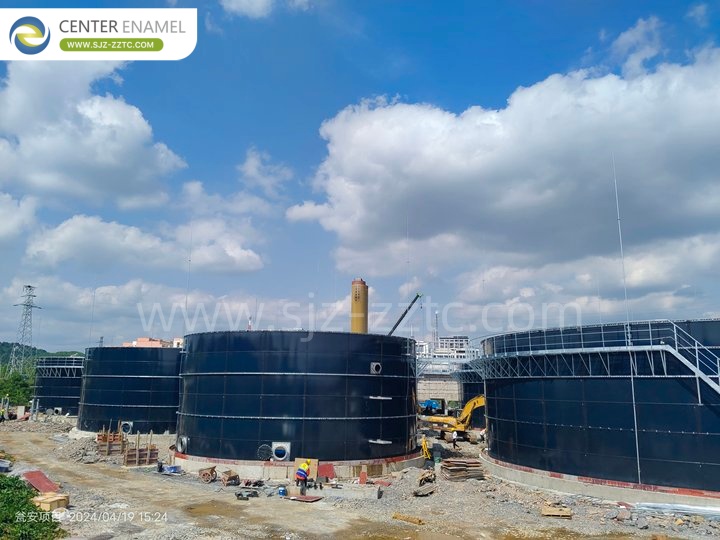
A balancing tank, also commonly referred to as an equalization or EQ tank, is a fundamental component in modern water and wastewater treatment plants. It serves as a buffer reservoir that manages fluctuations in the inflow of wastewater, ensuring that downstream treatment processes operate under optimal and consistent conditions. Without this critical infrastructure, treatment plants can be overwhelmed by sudden surges in flow or exposed to shock loads of pollutants, which can severely compromise the efficiency and stability of the biological treatment processes.
What is a Balancing Tank and Why is it Important?
A balancing tank is designed to receive incoming sewage or industrial wastewater and temporarily store it. The primary purpose is to mitigate the effects of diurnal (daily) and seasonal flow variations, as well as sudden peak flows caused by storm events. These variations are common in municipal systems, where wastewater flow increases significantly during morning and evening hours, and in industrial settings where production cycles create intermittent discharges.
By acting as a buffer, the balancing tank helps protect the plant from being hydraulically overloaded. It ensures that downstream processes like aeration, biological nutrient removal, and clarification receive a steady, manageable flow rate. This stability is crucial because biological treatment systems, which rely on microorganisms, perform best under constant conditions. As one study noted, treatment plants incorporating a balancing tank are significantly more advantageous under inflow variations compared to those that simply rely on surplus capacity.
Key Functions: Flow Equalization and Load Leveling
The balancing tank performs two main functions that are vital for plant efficiency: flow equalization and load leveling.
Flow Equalization involves smoothing out the hydraulic peaks. Instead of a surge of wastewater arriving at the plant and rushing through the system too quickly for proper treatment, the tank stores this excess volume. It is then pumped out at a controlled, uniform rate. For example, during a rainstorm, a municipality might divert excess flow into an EQ tank, storing it until the storm passes and then processing it at a normal pace, thereby preventing the plant from being overwhelmed.
Load Leveling addresses the concentration of pollutants, not just the volume. In industrial applications, a batch of high-strength waste could inhibit the bacteria in a biological reactor. The balancing tank allows for the mixing and dilution of such high-strength discharges with weaker flows, creating a more consistent and treatable influent stream. A case study in a brewery demonstrated the financial benefits of this, showing that the use of an EQ tank led to significant annual savings in chemicals and reduced operational costs.
Design Considerations for an Effective Balancing Tank
The design of a balancing tank is critical to its performance. Key parameters include its volume, configuration, and mixing/aeration system.
Volume and Sizing: The tank must be sized to accommodate the maximum expected peak flow. It should have adequate volume to counter the peak flow and handle the total volume of sewage that might accumulate during the highest inflow periods, such as a sudden storm or the daily peak usage period. The design must also account for variable water depth, as the tank fills and empties throughout the day.
Mixing and Aeration: To prevent solids from settling and becoming septic, effective mixing is essential. Stagnant conditions can lead to the formation of anaerobic zones, producing odors and potentially creating toxic hydrogen sulfide. Many balancing tanks are equipped with coarse bubble aeration grids to provide mixing and keep solids in suspension. Aeration also helps to prevent anaerobic conditions, maintaining the wastewater in a fresher state for the subsequent treatment stages.
The Role of Aeration and Mixing
Effective mixing is arguably the most important feature of a properly functioning balancing tank. The goal is to achieve a high degree of homogenization, ensuring that the wastewater concentration is uniform throughout the tank and that solids do not accumulate on the tank floor.
Submersible mixers or coarse bubble diffusers are commonly used to achieve this. The mixing intensity must be sufficient to lift particles off the bottom and keep them suspended in the liquid. This prevents the formation of a sludge blanket, which can reduce the tank's effective volume and require expensive cleaning. Aeration, provided by blowers and diffusers, serves the dual purpose of mixing and supplying oxygen to maintain aerobic conditions, which helps control odors and begins the oxidation of organic matter before the wastewater even reaches the primary treatment stages.
Maintenance and Operational Best Practices
Regular maintenance is essential to keep a balancing tank functioning effectively. The primary maintenance concern is the accumulation of solids, grit, and debris that settle out despite mixing efforts.
Over time, heavy solids can build up on the bottom of the tank, potentially blocking outlets or interfering with the operation of pumps and hydro-brakes. Tank cleaning is therefore a routine necessity. As evidenced by case studies, a typical cleaning operation involves specialized equipment, such as a high-pressure jetting unit and a vacuum tanker to remove the accumulated waste. Regular inspections of pumps, valves, and the aeration system are also required to ensure reliability and prevent system failures.
Balancing Tanks in Different Applications: Municipal vs. Industrial
The application of balancing tanks varies between municipal and industrial contexts, though the underlying principles are the same.
In municipal wastewater treatment, the primary challenge is managing the diurnal flow pattern. The population's water usage creates a distinct daily peak, and the EQ tank ensures that the plant's biological processes are not subjected to rapid hydraulic changes.
In industrial applications, such as breweries, food processing plants, or chemical facilities, the wastewater flow can be highly irregular and variable in strength. An EQ tank is not just for flow control but also for pollution control. It helps to smooth out the contaminant load, ensuring that a batch of highly concentrated effluent from a cleaning cycle does not "shock" the biological system. Furthermore, it allows for chemicals to be added to the tank to adjust the pH before the water is discharged to a municipal sewer or further treated onsite, promoting chemical accountability and saving costs.
The Future of Balancing Tanks: Smart Control and Automation
Modern balancing tanks are becoming increasingly sophisticated, with advanced control systems playing a larger role in their operation. Computerized process control systems are now used to monitor tank levels, flow rates, and valve positions automatically. This allows for precise control of the equalization process, optimizing it based on real-time data.
Research has also explored the use of neural-network-based controllers to manage balancing tanks effectively. These "model-free" controllers can learn the dynamic patterns of the wastewater system and adjust pump and aeration schedules more efficiently than traditional timer-based or level-based controls. Such innovations point towards a future where balancing tanks are more autonomous, energy-efficient, and better integrated into the overall plant's "digital twin" for predictive management.
Center Enamel: Your Partner in Wastewater Treatment Solutions
Center Enamel is a global leader in the design and manufacture of high-quality storage tanks, offering reliable and durable solutions for water and wastewater treatment applications. With over 10 years of experience, Center Enamel's bolted tanks are engineered to meet the rigorous demands of balancing and equalization processes. Their tanks are available in a variety of materials, including Glass-Fused-to-Steel (GFS), fusion-bonded epoxy, and stainless steel, providing exceptional corrosion resistance and long service life.
Center Enamel’s modular tank design allows for flexible sizing, from small municipal plants to large-scale industrial systems, making them suitable for various balancing tank applications. The superior durability and compliance with international standards, such as ISO and NSF/ANSI, make their tanks a trusted choice for projects in over 100 countries worldwide. Whether you are upgrading an existing facility or building a new treatment plant, Center Enamel offers the expertise and proven products to ensure your wastewater infrastructure is reliable and efficient.
Frequently Asked Questions (FAQ)
1. What is the difference between a balancing tank and an equalization tank?
They are essentially the same and used interchangeably. Both buffer flow and pollutant loads. "Equalization" is more common in industrial settings to highlight chemical/strength smoothing, while "balancing" is used more broadly. In wastewater treatment, they serve the identical function of stabilizing downstream processes.
2. How big should a balancing tank be?
Sizing depends on maximum peak flow, total daily volume, and fluctuation patterns from historical data. The tank must store excess inflow during surges (e.g., storms or morning peaks). Residence time for downstream treatment is also considered. Engineering analysis determines the precise volume for each specific plant.
3. What are the main maintenance challenges for a balancing tank?
The main challenge is solids, grit, and debris accumulation on the tank floor despite mixing. This reduces effective volume and risks blocking pumps/outlets. Regular cleaning with high-pressure jetting and vacuum tankers is required, along with routine inspections of mixers, pumps, and aeration systems to prevent failures.