
What Is the Best Use of Pig Manure? Traditional Fertilizer vs Modern Biogas Project Solutions
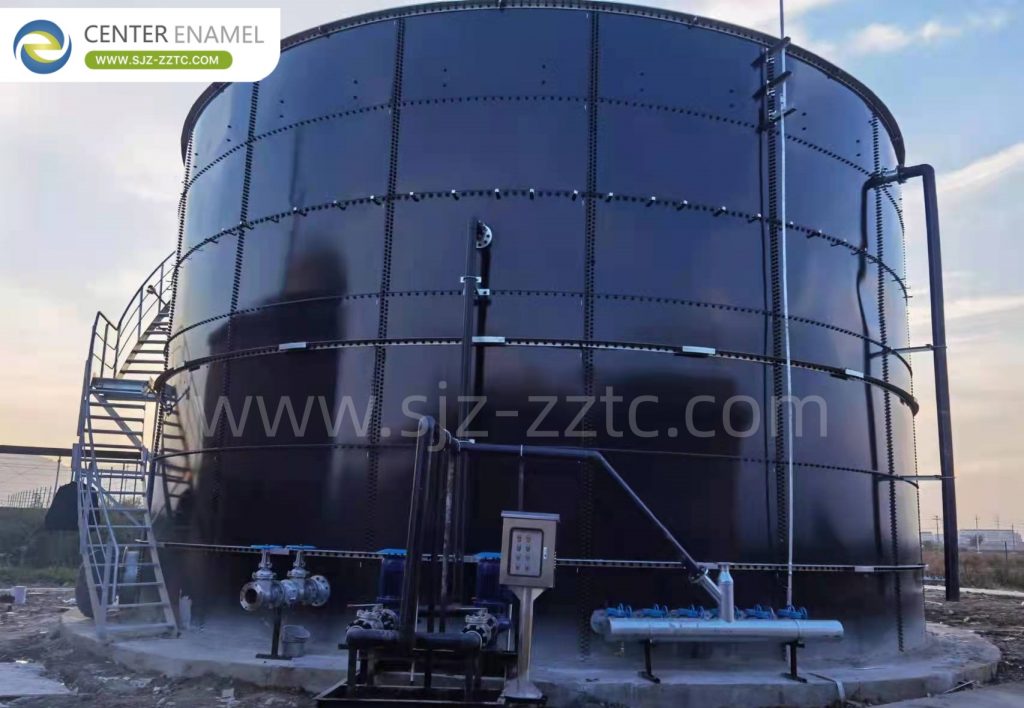
Pig manure has long been recognized as a valuable agricultural resource, but its best use has evolved significantly over time. While traditional applications as fertilizer remain important, modern Biogas Project solutions now offer a superior way to convert this waste into renewable energy.
Traditional Use of Pig Manure: Fertilizer and Soil Amendment
Historically, pig manure has been primarily used as a natural fertilizer to enrich soil and promote crop growth. As early as the 19th century, farmers recognized pig manure as valuable manure—though opinions varied about its quality, with some considering it one of the richest manures available. Others noted that fresh pig manure used alone could give vegetables an unpleasant taste, but when composted with muck or mould it became more beneficial and durable.
The traditional approach typically involved composting pig manure in piles for extended periods, as the solid excrements of hogs decompose less rapidly than those of horses or cows. This composting process transforms raw manure into stabilized organic matter that improves soil structure, provides essential nutrients like nitrogen, phosphorus, and potassium, and supports beneficial soil microorganisms. To this day, many small-scale pig farms continue this practice, composting solid manure fractions for field application.
Challenges with Traditional Pig Manure Management
While pig manure has value as fertilizer, traditional management methods present significant challenges. Pig manure contains approximately 75% water, making it heavy and costly to transport. The storage and spreading of raw manure can generate strong odors that trouble neighboring communities. Without proper treatment, uncontrolled decomposition releases substantial amounts of methane and other greenhouse gases. Runoff from improperly stored manure can also lead to water pollution and nutrient overload in local waterways—a serious environmental concern that has prompted regulatory action in many regions.
Limitations of Traditional Three-Stage Wastewater Treatment
The conventional approach to pig farm wastewater management involves a three-stage treatment system: solid-liquid separation, anaerobic digestion, and aerobic treatment. In this system, solids are used for composting, while liquid undergoes anaerobic fermentation to produce biogas. However, this traditional system has significant limitations: biogas production efficiency is relatively low, odor problems often persist, and the amount of biogas generated is limited because much of the organic matter remains in the solid fraction that is removed early in the process. Research has confirmed that the traditional three-stage system has poor gas output efficiency, making it uneconomical for many small-scale farms.
Advanced Biogas Production from Pig Manure
Modern biogas technology offers a far more efficient way to use pig manure. Anaerobic digestion is a promising technology for converting agricultural waste and livestock manure into bioenergy, with less environmental impact compared to composting. In a properly designed Biogas Project, pig manure and water are fed into anaerobic digesters where microorganisms break down organic matter in an oxygen-free environment. This process follows three main stages: hydrolysis (breaking down complex organics), acidogenesis (producing volatile fatty acids), and methanogenesis (producing methane-rich biogas).
Recent research has demonstrated remarkable improvements in biogas production. A study on high-solid anaerobic digestion of pig manure found that integrating liquid and biogas recirculation increased methane yield by 251.7% compared to systems without recirculation. The net electric energy benefit reached 301.2 kWh for treating one ton of raw materials, demonstrating high economic feasibility. Advanced two-stage systems like HyMeTek technology, which produce hydrogen and methane in sequence, can further increase biogas production by 30-40%.
The CSTR Process: Core Technology for Modern Biogas Production
The CSTR Process (Continuous Stirred-Tank Reactor) is a key technology for modern pig manure biogas production. This advanced anaerobic digestion system uses mechanical stirring to keep the manure and microorganisms fully mixed, preventing solids from settling and ensuring uniform fermentation conditions. Research has shown that proper mixing—through mechanical agitation or gas recirculation—is essential for maintaining process efficiency under high solids concentrations, which are typical for pig manure. The CSTR Process enables stable biogas production even with high-suspended-solids feedstocks, making it the preferred choice for large-scale commercial biogas projects.
Superior Benefits of Modern Biogas from Pig Manure
Converting pig manure to biogas through a professional Biogas Project offers multiple superior benefits compared to traditional fertilizer use. The process effectively removes odors that trouble surrounding communities. It achieves excellent pollutant removal, with studies reporting biochemical oxygen demand removal efficiency of 99.5% and chemical oxygen demand removal of 98.8%. Pathogen reduction is substantial—anaerobic digestion has been shown to achieve complete elimination of most bacteria, including E. coli, Enterococcus, and Salmonella. The biogas produced can be used for electricity generation, heating, or upgraded to biomethane for vehicle fuel. After digestion, the remaining digestate retains valuable nutrients as a high-quality organic fertilizer, creating a true circular economy model.
Center Enamel: Your Professional Biogas Project Solutions Provider
Center Enamel is a leading global provider of storage tank solutions for biogas projects, bringing over three decades of expertise in designing, manufacturing, and installing biogas storage systems. The company offers comprehensive Biogas Project solutions including:
Glass-Fused-to-Steel (GFS) Tanks: Combining the strength of steel with the corrosion resistance of glass, these tanks are ideal for the harsh environments of biogas storage. Center Enamel is the first manufacturer in China to produce GFS tanks and the most experienced bolted tank manufacturer in Asia.
Stainless Steel Tanks: Known for durability and corrosion resistance, these provide reliable long-term storage solutions for biogas applications.
Fusion Bonded Epoxy Tanks: Engineered with advanced coating technology for superior chemical resistance and robust performance.
Biogas Holders: Flexible and airtight solutions designed to store biogas efficiently, minimizing losses and optimizing energy utilization.
All Center Enamel products meet international certifications including ISO 9001, CE, NSF/ANSI 61, WRAS, and ISO 28765. With projects successfully delivered in over 100 countries including collaborations with global companies such as Veolia, Paques, Heineken, and Coca-Cola, Center Enamel has established a reputation for world-class quality and reliability. Their comprehensive service covers design, engineering, construction, and after-sales support, providing complete turnkey Biogas Project solutions for pig farms worldwide.
FAQs
1. Is pig manure better used as fertilizer or for biogas production?
Modern Biogas Project solutions offer superior environmental and economic benefits. Biogas production captures methane for renewable energy, reduces odors and pathogens, and still produces nutrient-rich digestate that can be used as fertilizer—creating a circular economy that addresses both waste management and energy needs.
2. How much biogas can pig manure produce?
Research shows that treating one ton of pig manure can generate 301.2 kWh of net electric energy benefit. Advanced two-stage systems have demonstrated biogas production increases of 30-40% over traditional methods. Biogas produced typically contains 80-82% methane, making it an excellent renewable fuel source.
3. What is the CSTR Process and why is it important?
The CSTR Process (Continuous Stirred-Tank Reactor) is an advanced anaerobic digestion technology that uses mechanical mixing to keep pig manure and microorganisms in a uniform, fully mixed state. This ensures stable, high-yield biogas production even with high-solids feedstocks, making it the ideal choice for modern Biogas Projects on pig farms.