
What Is the Best Way to Dispose of Kitchen Waste? Turn It into Biogas for Clean Energy and Sustainability
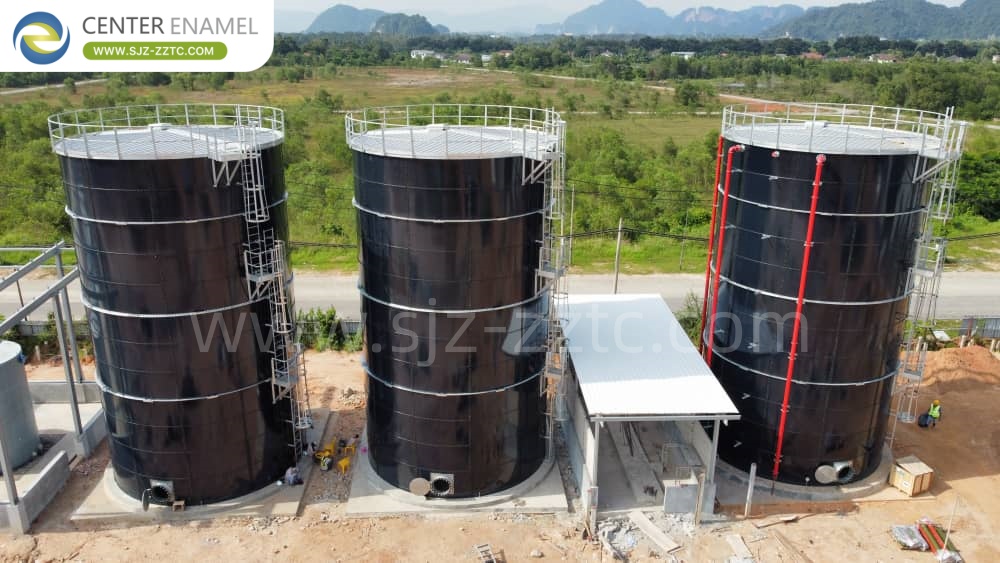
What is the best way to dispose of kitchen waste? This question challenges households, restaurants, communities, and cities worldwide. Daily, millions of tons of leftover food, fruit and vegetable peels, rice, noodles, oil, and expired ingredients are discarded. Traditional disposal methods—landfilling, incineration, and open dumping—cause severe soil and water pollution, foul odors, pest breeding, and massive methane emissions. Far from being useless trash, kitchen waste is a high-quality organic resource.
The best way to dispose of kitchen waste is to convert it into biogas through professional anaerobic digestion systems. This circular solution eliminates pollution, generates clean renewable energy, and creates organic fertilizer, achieving zero-waste and low-carbon goals.
Why Traditional Kitchen Waste Disposal Is Not the Best Way
Landfills take up scarce urban land and produce toxic leachate that contaminates groundwater. Organic waste decomposes anaerobically in landfills, releasing methane—a greenhouse gas 28–36 times more potent than carbon dioxide over a 100-year period. Incineration requires high energy input and risks toxic emissions due to high moisture content. Home composting is slow, smelly, and unsuitable for urban areas. None of these methods qualify as the best way to dispose of kitchen waste because they waste resources and damage the environment.
The Best Way to Dispose of Kitchen Waste: Convert It to Biogas
The best way to dispose of kitchen waste is through controlled anaerobic digestion, where microorganisms break down organic matter in a sealed, oxygen-free environment to produce biogas. Biogas mainly consists of 55%–70% methane and carbon dioxide, and can be used for cooking, heating, electricity generation, or upgraded to renewable natural gas. This method achieves harmless treatment, volume reduction, and resource recycling in one step.
How Kitchen Waste Becomes Biogas (Step-by-Step)
- Sorting and Pretreatment: Remove plastic, glass, metal, and bones; crush and homogenize organic waste into slurry.
- Hydrolysis: Complex organics such as proteins and fats break down into small soluble molecules.
- Acidification: Acidogenic bacteria convert materials into volatile fatty acids.
- Acetogenesis: Intermediate products become acetic acid, hydrogen, and carbon dioxide.
- Methanation: Methanogenic bacteria produce methane-rich biogas.
- Purification and Utilization: Remove hydrogen sulfide and moisture for safe, stable biogas power or heat.
- Digestate Recycling: Residues become high-quality organic fertilizer for farms and gardens.
This closed-loop system is widely recognized as the best way to dispose of kitchen waste for both environmental protection and energy recovery.
Core Benefits of Turning Kitchen Waste into Biogas
Maximum Waste Reduction: Reduces kitchen waste volume by 70%–90%, dramatically easing landfill pressure.
Clean Renewable Energy: 1 kg of kitchen waste can produce 0.3–0.5 m³ of biogas, supporting daily energy use.
Carbon Emission Reduction: Captures and uses methane instead of releasing it, strongly fighting climate change.
Odor and Pest Control: Fully enclosed digestion eliminates odors, flies, rodents, and disease risks.
Circular Economy Creation: Biogas provides energy while digestate feeds agriculture, forming a sustainable loop.
Scalability: Suitable for households, restaurants, canteens, communities, and large urban projects.
These advantages confirm that biogas conversion is the best way to dispose of kitchen waste for modern cities.
Four Advanced Anaerobic Technologies for Kitchen Waste Biogas Projects
To optimize the best way to dispose of kitchen waste, four proven anaerobic reactors are used:
1. CSTR (Continuous Stirred-Tank Reactor)
Ideal for high-solid, high-oil kitchen waste. Mechanical mixing ensures full contact between substrate and microbes, preventing floating crust and sediment. Stable, high biogas yield for large-scale projects.
2. UASB (Upflow Anaerobic Sludge Blanket)
Uses high-activity granular sludge with high organic loading and COD removal. Best for pre-treated soluble kitchen waste, compact and efficient.
3. USR (Upflow Solid Reactor)
Simple structure, no mechanical mixer, low investment, anti-clogging. Perfect for small and medium-sized rural or suburban projects.
4. IC (Internal Circulation)
High-load, high-efficiency reactor with 3–5 times the treatment capacity of traditional designs. Saves space for large urban centralized treatment plants.
These technologies make biogas production the undisputed best way to dispose of kitchen waste.
Why GFS Tanks Are Essential for Kitchen Waste Biogas Projects
Glass-Fused-to-Steel (GFS) Tanks are the core equipment for any modern kitchen waste biogas project, supporting the best way to dispose of kitchen waste:
Extreme Corrosion Resistance: Withstands pH 1–14, organic acids, hydrogen sulfide, and coastal salt spray.
Excellent Airtightness: Prevents biogas leakage, ensuring safe, stable, and efficient gas collection.
Modular Prefabricated Design: Factory-made, bolted on-site, fast installation, no welding or long curing time.
Long Service Life: Over 30 years, smooth surface resists scaling, low maintenance cost.
Strong Weather Adaptability: Resists high temperature, humidity, UV, and heavy rain, ideal for tropical and coastal regions.
Flexible Expansion: Easily expand capacity as waste volume increases.
GFS tanks turn the best way to dispose of kitchen waste into reliable, long-term operations.
Center Enamel: Trusted Partner for Kitchen Waste Biogas Projects
As a leading global EPC contractor with decades of experience, Center Enamel delivers complete solutions that make biogas conversion the best way to dispose of kitchen waste.
Our Core Strengths
Full Turnkey EPC Services: Covers design, equipment, production, transportation, installation, commissioning, training, and after-sales service.
Advanced Anaerobic Technologies: CSTR, UASB, USR, IC customized to waste composition, climate, and project scale.
Premium GFS Tanks: Patented enamel fusion, ISO, AWWA, NSF/ANSI certified, 200+ patents.
Professional Installation: Hydraulic jacking technology, bolted assembly, safe and fast even in narrow urban sites.
Proven Global Experience: Hundreds of successful biogas projects across Asia, Europe, Africa, and the Americas.
Stable Performance & High Efficiency: High biogas yield, low failure rate, low operating cost, maximum customer benefits.
Center Enamel transforms the best way to dispose of kitchen waste from concept into reality.
Typical Successful Project Cases
Case 1: Canada Biogas Project
Tank Dimensions: φ8.4 × 7.2 m (H) — 2 Units
Total Volume: 798 m³
Completion Date: 2024
Case 2: Sweden Biogas Project
Tank Dimensions: φ19.11 × 19.2 m (H) — 1 Unit
Total Volume: 5,510 m³
Completion Date: 2024
To answer “What is the best way to dispose of kitchen waste?”—converting kitchen waste into biogas via anaerobic digestion is the most scientific, eco-friendly, and economical solution. It eliminates pollution, generates clean energy, supports circular development, and addresses climate challenges. Supported by CSTR, UASB, USR, IC technologies and durable GFS tanks, this method is scalable and reliable. As a professional EPC contractor, Center Enamel provides full-cycle solutions to build efficient, stable, and long-lasting kitchen waste biogas projects worldwide. Choosing biogas conversion means choosing the best way to dispose of kitchen waste for a sustainable future.