
What Is the Best Way to Dispose of Solid Waste? Why Biogas Conversion Leads the Way
Solid waste is an unavoidable byproduct of modern life. Every household, restaurant, farm, and factory produces it daily. For decades, the default answer to "what do we do with all this waste?" has been simple: bury it in a landfill or burn it. But as populations grow, landfill space shrinks, and climate concerns intensify, that answer no longer holds up.
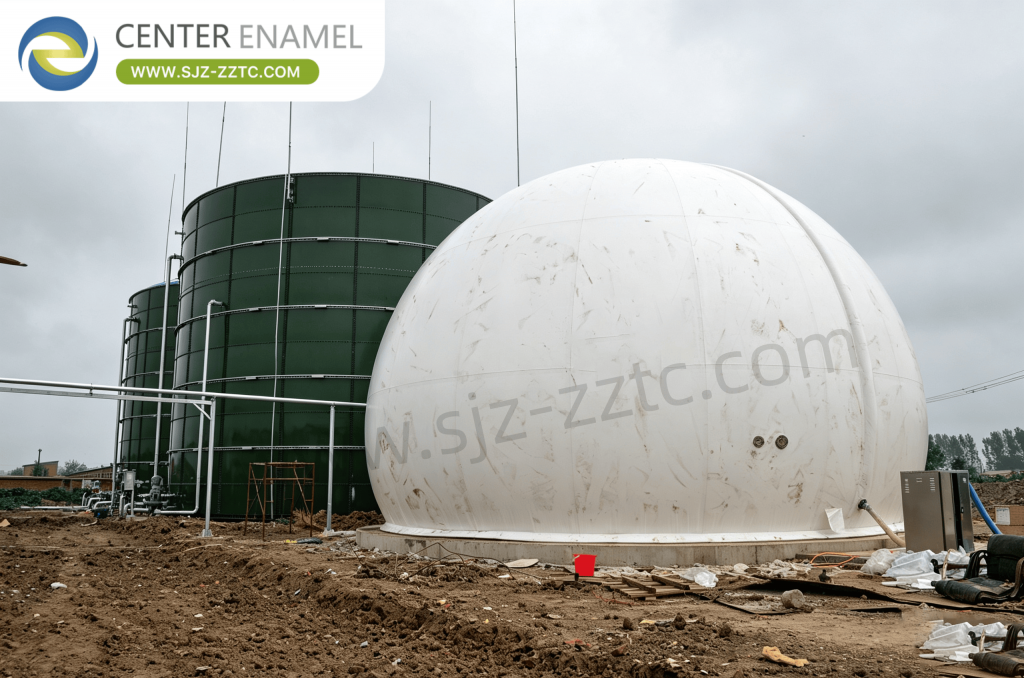
So what is the best way to dispose of solid waste? The honest answer is that no single method works for every material. But when it comes to the largest and most problematic category of waste-organic waste-one solution stands above the rest: converting solid waste into biogas through anaerobic digestion.
In this article, we will explain why biogas conversion is the best disposal pathway for organic solid waste, how it compares to other methods, and how it fits into a complete waste management strategy.
Why There Is No Single "Best" Way to Dispose of Solid Waste
Before we crown a winner, it is important to be precise. Solid waste is not one thing. It is a broad category that includes food scraps, yard trimmings, paper, plastics, glass, metals, textiles, electronics, construction debris, and hazardous materials. Each of these behaves differently and demands a different disposal route.
Metals and glass are best recycled indefinitely.
Clean paper and cardboard should be recycled.
Plastics are complicated-some are recyclable, many are not.
Electronics and hazardous waste require specialized handling.
Organic waste-food scraps, manure, sewage sludge, crop residues-makes up 30–60% of municipal solid waste in many countries.
That last category is where the biggest opportunity lies, and it is where biogas conversion shines. The "best" way to dispose of solid waste, therefore, depends on separating waste streams and routing each one to its optimal destination.
The Problem With Landfilling Organic Waste
Landfills are the world's default waste disposal method. They are cheap, simple, and can accept almost anything. But when organic waste is buried in a landfill, it decomposes in the absence of oxygen-a process called anaerobic decomposition-and releases methane.
Methane is a potent greenhouse gas. According to the U.S. Environmental Protection Agency, methane traps roughly 28–34 times more heat than carbon dioxide over a 100-year period, and even more over 20 years. Landfills are one of the largest human-made sources of methane emissions globally.
Beyond emissions, landfills consume vast tracts of land, produce leachate that can contaminate groundwater, attract pests, and generate odors. Once closed, they require monitoring for decades. Burying organic waste also wastes its nutrients and energy potential entirely.
In short: landfilling organic waste is the worst option in the waste hierarchy, yet it remains the most common. That is a massive missed opportunity.
Why Converting Solid Waste to Biogas Is the Best Option for Organic Waste
Anaerobic digestion-the process that produces biogas-is widely considered the best available disposal method for organic solid waste. Here is why.
1. It captures methane instead of releasing it.
Instead of letting organic waste rot in a landfill and escape as methane, anaerobic digestion captures that methane in a sealed reactor. The captured biogas is then burned for energy, converting methane into carbon dioxide, which is far less potent as a greenhouse gas.
2. It produces renewable energy.
Biogas typically contains 50–70% methane and can be used directly for cooking, heating, and electricity generation. Upgraded to biomethane, it can replace natural gas in pipelines or fuel vehicles. This turns a waste disposal problem into an energy solution.
3. It produces a valuable fertilizer.
The leftover material from digestion, called digestate, is rich in nitrogen, phosphorus, and potassium. It can be used as a biofertilizer, reducing dependence on synthetic fertilizers and closing the nutrient loop.
4. It diverts waste from landfills.
Every ton of organic waste digested is a ton that never enters a landfill, extending landfill lifespan and avoiding leachate and land-use problems.
5. It handles wet, mixed organic waste.
Unlike composting, which requires careful carbon-to-nitrogen ratios and aeration, anaerobic digestion can process wet, messy organic waste streams-including food waste, fats, oils, grease, and sewage sludge.
6. It can be carbon-negative.
When biogas replaces fossil fuels and prevents landfill methane, the net climate benefit can be negative-meaning the system removes more greenhouse gases than it emits.
For these reasons, biogas conversion is the most environmentally and economically sound disposal route for organic solid waste.
How Anaerobic Digestion Works
Anaerobic digestion is a natural biological process carried out by microorganisms in the absence of oxygen. It occurs in four stages:
Hydrolysis: Complex organic matter (carbohydrates, proteins, fats) is broken down into simple sugars, amino acids, and fatty acids.
Acidogenesis: These simple molecules are converted into volatile fatty acids, alcohols, ammonia, and carbon dioxide.
Acetogenesis: The products of acidogenesis are converted into acetic acid, hydrogen, and carbon dioxide.
Methanogenesis: Methanogenic archaea convert acetic acid, hydrogen, and carbon dioxide into methane and carbon dioxide-the biogas itself.
The biogas is collected, cleaned, and either burned on-site for heat and power or upgraded to biomethane. The digestate is separated into liquid and solid fractions, both of which can be used as fertilizer.
Feedstocks suitable for anaerobic digestion include food waste, animal manure, sewage sludge, crop residues, food processing waste, and the organic fraction of municipal solid waste.
Comparing Disposal Methods: Which Is Truly Best?
To see why biogas conversion stands out, let's compare it directly with the other major disposal methods for organic solid waste.
| Method | How It Works | Energy Recovery | Greenhouse Gas Impact | Nutrient Recovery | Best Suited For |
| Landfilling | Burying waste in engineered cells | Low (if gas captured) | High (methane leaks) | None | Mixed, non-recyclable waste |
| Incineration | Burning waste at high temperatures | Yes (electricity/heat) | Moderate (CO₂, air pollutants) | None | Dry, high-calorific waste |
| Composting | Aerobic decomposition of organics | None | Low (CO₂ released) | Yes | Yard waste, clean food scraps |
| Anaerobic Digestion | Microbial breakdown without oxygen | Yes (biogas) | Very low or negative | Yes (digestate) | Wet organic waste, manure, sludge |
| Gasification/Pyrolysis | Thermal conversion with limited oxygen | Yes (syngas, oil) | Moderate | Partial (char) | Dry, sorted waste |
The table makes the case clear. Anaerobic digestion is the only method that simultaneously recovers energy, recovers nutrients, and dramatically reduces greenhouse gas emissions-while handling wet organic waste that other technologies struggle with. Composting recovers nutrients but no energy. Incineration recovers energy but destroys nutrients and produces air pollution. Landfilling does neither.
Where Biogas Fits in a Complete Waste Strategy
Biogas conversion is not a silver bullet for all solid waste-it is the best solution for the organic fraction. A truly effective waste management system combines methods:
Prevent and reduce waste at the source.
Recycle metals, glass, paper, and clean plastics.
Compost or digest organic waste-with anaerobic digestion preferred for wet, energy-rich streams.
Recover energy from residual non-recyclable waste through waste-to-energy.
Landfill only what cannot be handled any other way.
In this framework, biogas plays a central role because organic waste is the heaviest, wettest, and most climate-damaging fraction of the waste stream. Capturing its energy and nutrients while preventing methane emissions is the single highest-impact action a community can take.
Real-World Examples of Solid Waste-to-Biogas Success
Biogas from solid waste is not theoretical. It is happening at scale around the world.
Sweden has long used anaerobic digestion to turn food waste and sewage sludge into biogas for city buses and heating.
Germany operates thousands of agricultural biogas plants that process manure and crop residues.
China has built large-scale biogas facilities tied to rural waste and agricultural systems.
The United States has hundreds of landfill-gas and digester projects converting waste methane into electricity and renewable natural gas.
India and Kenya use household and community biogas systems to turn cattle dung and food waste into cooking fuel.
These examples show that waste-to-biogas is technically proven, economically viable, and scalable. The barrier is rarely technology-it is policy, infrastructure, and public awareness.
Barriers to Wider Adoption of Biogas
Despite its advantages, biogas conversion faces real challenges:
Feedstock separation: Organic waste must be separated at the source, which requires public participation.
Upfront capital: Digesters and gas upgrading systems require significant investment.
Policy support: Without subsidies, feed-in tariffs, or carbon pricing, biogas may struggle to compete with cheap landfilling.
Contamination: Plastics and other impurities in organic waste can disrupt digestion.
Market access: Biogas and digestate need reliable markets to be economically sustainable.
Addressing these barriers requires coordinated action from governments, businesses, and communities. Extended producer responsibility, organic waste bans, landfill taxes, and renewable energy incentives are proven tools.
Conclusion
So what is the best way to dispose of solid waste? For non-organic materials, the answer is prevention, reuse, and recycling. But for the largest and most climate-damaging fraction-organic waste-the best way to dispose of it is to convert it into biogas through anaerobic digestion.
Biogas conversion captures methane that would otherwise escape into the atmosphere, generates renewable energy, produces nutrient-rich fertilizer, and diverts waste from landfills. No other disposal method delivers all of these benefits at once. While it is not a complete solution on its own, it is the cornerstone of any modern, sustainable solid waste management system.
The waste we generate is not just a problem to be buried. It is a resource waiting to be recovered-and biogas is how we recover it.
If solid waste disposal is a challenge for your organization, we invite you to contact us. As a professional biogas solutions provider, Center Enamel offers tailored solutions designed to transform your solid waste into valuable energy.
FAQ
1. Is biogas conversion suitable for all types of solid waste?
No. Anaerobic digestion is best suited for organic waste such as food scraps, animal manure, sewage sludge, and crop residues. Inorganic materials like plastics, metals, glass, and construction debris cannot be digested and should be recycled or handled separately. Effective source separation is essential for biogas systems to work well.
2. How does biogas from solid waste compare to natural gas?
Biogas typically contains 50–70% methane, while natural gas is over 90% methane. When biogas is upgraded to remove carbon dioxide and impurities, the resulting biomethane is chemically almost identical to natural gas and can be injected into gas pipelines or used as vehicle fuel. The key difference is that biomethane is renewable and can be carbon-negative, while natural gas is a fossil fuel.
3. Is converting waste to biogas expensive?
The upfront cost of building anaerobic digesters and gas upgrading facilities can be significant. However, when you account for avoided landfill costs, revenue from energy sales, fertilizer value, and reduced greenhouse gas emissions, biogas projects can be economically viable-especially with supportive policies like feed-in tariffs, landfill taxes, or carbon credits. Many facilities pay for themselves within a decade.