
What is the Best Way to Store Biogas? Comprehensive Guide to Biogas Storage Technologies
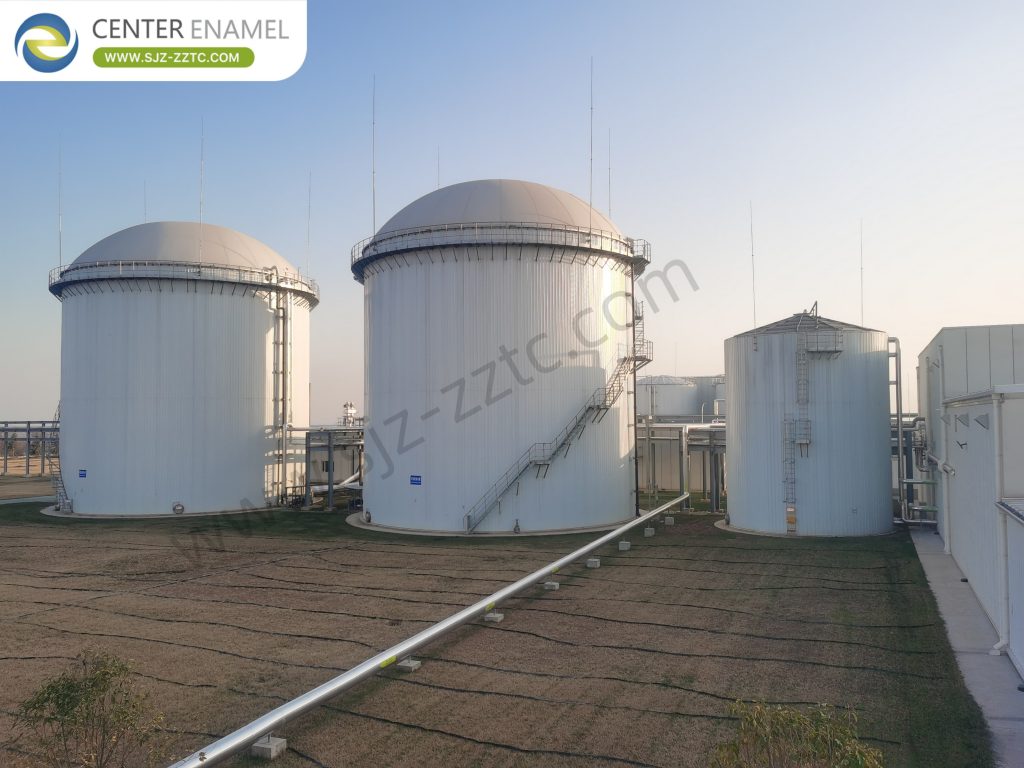
As the transition toward renewable energy accelerates globally, anaerobic digestion and biogas recovery have become fundamental pillars of sustainable waste management and green power generation. However, because biogas production is continuous while energy consumption often fluctuates, efficient and safe biogas storage is critical. Maintaining a steady gas supply, optimizing pressure regulation, and preventing leakage require advanced containment infrastructure.
This guide examines the premier methods, structures, and modern technologies utilized for optimal biogas storage.
Understanding the Importance of Biogas Storage in Modern Plants
Biogas is generated through the continuous biological breakdown of organic matter by anaerobic microorganisms. Because biological activity cannot be instantly switched on or off, gas production continues day and night.
Effective biogas storage acts as a vital buffer between continuous production and variable downstream utilization (such as combined heat and power engines, boilers, or grid injection). Proper storage ensures a stable working pressure, accommodates peak load demands, prevents flaring of excess gas, and provides a safety buffer during routine maintenance or equipment shutdowns.
Low-Pressure vs. High-Pressure Biogas Storage Systems
Biogas storage systems are generally categorized into two primary operating pressure tiers based on project scale and end-use requirements:
Low-Pressure Storage: Typically operating between 0.02 to 0.05 bar, these systems store uncompressed gas close to the point of generation. They are cost-effective, require minimal structural reinforcement, and are ideal for internal plant usage and combined heat and power (CHP) applications.
High-Pressure Storage: Operating from 200 to 250 bar, high-pressure storage involves compressing purified biomethane into steel cylinders or cascades. This method is essential for vehicular fuel (Compressed Biogas / CBG) or commercial gas grid injection, though it demands higher energy input for compression.
Gas Holder Domes and Double Membrane Roof Technologies
Among low-pressure containment options, flexible membrane gas holders have emerged as the industry benchmark. Installed directly on top of anaerobic digesters or as standalone freestanding units, these holders utilize specialized, weather-resistant polymer fabrics.
The most advanced variant is the Double Membrane Roof, which features an inner membrane that holds the biogas and an outer protective membrane inflated with air by a continuous blower system. This design maintains constant internal pressure, protects against external wind and snow loads, and provides a massive, variable-volume storage capacity without requiring complex rigid moving parts.
Rigid Tank-Mounted vs. Freestanding Biogas Storage Holders
When designing a biogas facility, engineers must choose between integrating storage directly onto the reactor or utilizing independent storage yards:
Tank-Integrated Double Membrane Roofs: Mounted directly on top of anaerobic digestion tanks (such as bolted steel tanks), this layout maximizes spatial efficiency, reduces capital expenditure on extra piping, and utilizes the reactor structure to house both liquid processing and gas containment.
Freestanding Gas Holders: Standalone spherical or ground-mounted double-membrane holders offer massive storage volumes for large municipal or industrial facilities, allowing operators to decouple gas storage capacity from individual digester sizing.
Key Engineering Considerations for Safe Biogas Containment
Designing a reliable biogas storage installation requires strict adherence to international safety and material standards:
Corrosion Resistance: Biogas contains moisture and trace amounts of hydrogen sulfide (H2S), which can cause severe oxidation. Internal structural components must feature high-grade corrosion protection, such as Glass-Fused-to-Steel (GFS) plating or specialized coatings.
Pressure and Vacuum Relief Valves: Essential safety devices that prevent over-pressurization during high generation spikes or vacuum collapse during rapid gas extraction.
Gas Leakage and Permeability Control: Utilizing specialized low-permeability membranes (such as PVC-coated polyester fabrics with anti-UV treatments) ensures that methane does not escape into the atmosphere.
Operational Best Practices for Maximizing Biogas Storage Efficiency
To ensure long-term, trouble-free operation of your biogas storage infrastructure, operators should implement routine management protocols:
Regular Moisture and Condensate Management: Install automated condensate traps and gas dryers to prevent water accumulation inside storage lines and meters.
Continuous Pressure Monitoring: Utilize automated telemetry systems to track internal pressure levels, triggering emergency flares or system shutdowns if thresholds are exceeded.
Routine Fabric Inspections: Periodically check double-membrane support blowers, emergency pressure relief valves, and membrane seams for wear, tears, or pressure loss.
Center Enamel: Professional Biogas Solutions Supplier with Advanced Double Membrane Roof Systems
When selecting infrastructure for biogas containment, partnering with a proven industry leader is essential for long-term project success. Center Enamel is recognized globally as a premier, professional biogas solutions supplier and tank manufacturer, offering comprehensive engineering and fabrication services.
Center Enamel specializes in providing cutting-edge Double Membrane Roof storage equipment, engineered to deliver superior structural stability, high gas-tightness, and exceptional resistance to harsh environmental conditions. By seamlessly integrating robust containment solutions-including Glass-Fused-to-Steel (GFS) tanks and advanced membrane gas holders-Center Enamel empowers global municipal, agricultural, and industrial clients to optimize their green energy storage, enhance operational safety, and maximize energy recovery yields.
Frequently Asked Questions (FAQ)
Q1: What is a Double Membrane Roof, and why is it preferred for biogas storage?
A: A Double Membrane Roof is a flexible gas containment structure consisting of an inner, outer, and bottom membrane. The inner membrane expands and contracts based on gas volume, while the outer membrane is kept inflated by a supporting air blower to maintain steady pressure and withstand weather forces. It is preferred because it offers large storage capacity, excellent corrosion resistance, low capital cost, and seamless integration with anaerobic digesters.
Q2: How does temperature affect biogas storage performance?
A: Temperature variations can cause the volume of stored gas to expand or contract according to the ideal gas law. In colder climates, low temperatures can also increase moisture condensation inside the gas lines, raising the risk of corrosion or freezing in valves. Modern double-membrane systems compensate for these factors through steady pressure regulation, automated blowers, and high-quality thermal and weather-resistant polymer fabrics.
Q3: Why are Glass-Fused-to-Steel (GFS) tanks paired with membrane roofs in modern biogas plants?
A: GFS tanks provide unmatched structural strength, rapid on-site installation, and superior resistance to the corrosive environment created by hydrogen sulfide and moisture inside anaerobic digesters. When topped with a Center Enamel Double Membrane Roof, the combination yields a completely integrated, durable, and low-maintenance biogas containment system that optimizes both biological digestion and safe gas storage.