
What Is the BOD Standard for Wastewater?
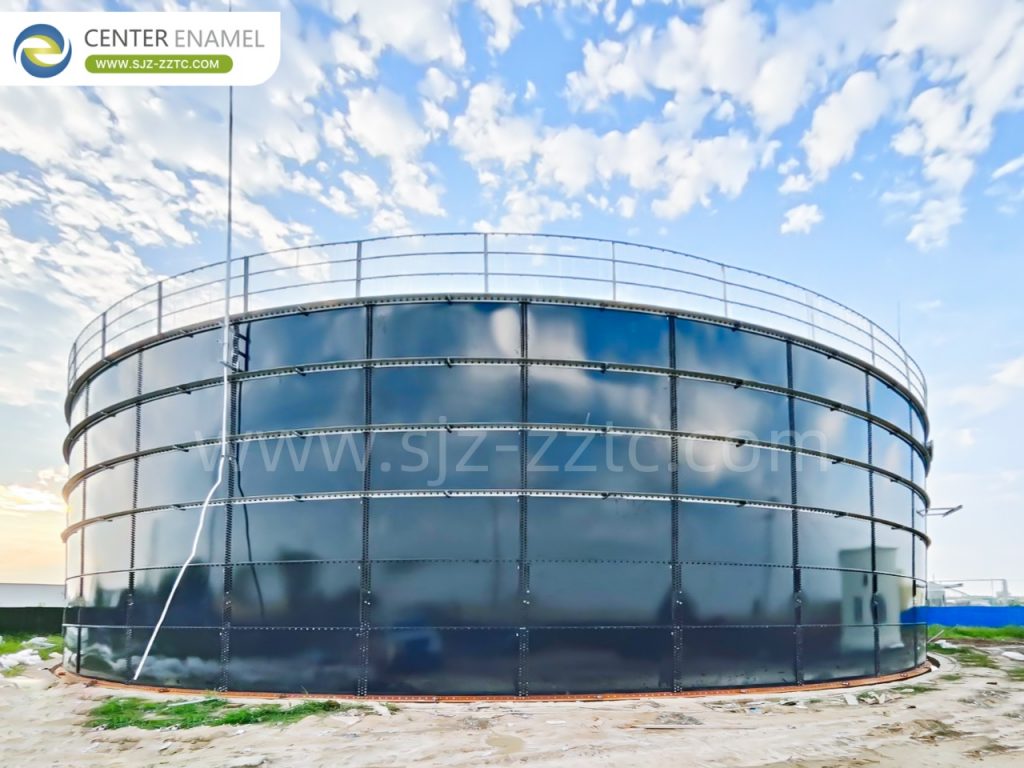
Biochemical Oxygen Demand (BOD) is one of the most critical parameters in wastewater management. It measures the amount of dissolved oxygen consumed by microorganisms during the biochemical oxidation of organic matter in a water sample . Understanding the BOD standard for wastewater is essential for treatment plant operators, environmental engineers, and facility managers to ensure regulatory compliance and environmental protection.
What Is Biochemical Oxygen Demand (BOD)?
BOD provides a measure of the impact of wastewater on the oxygen content in receiving water bodies. Organic matter in wastewater serves as "food" for aerobic bacteria, which require oxygen to break it down. The more organic matter present, the more oxygen is consumed, and the higher the BOD value .
The standard BOD test measures oxygen consumed over a 5-day incubation period at 20°C, known as BOD₅ . This test determines the relative oxygen requirements of wastewaters and effluents, with its widest application in measuring waste loadings to treatment plants and evaluating a plant's efficiency in removing BOD .
The Standard BOD Limit for Wastewater Discharge
The BOD standard for wastewater discharge varies by jurisdiction, receiving water body, and treatment plant type. However, a widely recognized benchmark exists:
Secondary treatment standard: 30 mg BOD/L (30 mg of oxygen consumed per liter of water over 5 days)
This standard applies to effluent released from conventional sewage treatment plants to surface waters or streams. Wastewater high in BOD can deplete oxygen in receiving waters, causing fish kills and ecosystem changes .
Regulatory BOD Standards by Jurisdiction
Different countries and regions have established specific BOD discharge limits. Here are examples of regulatory standards:
China (GB 18918):
The BOD₅ limits vary by grade:
| Effluent Quality Grade | BOD₅ Limit (mg/L) |
| Grade I-A | 10 |
| Grade I-B | 20 |
| Grade II | 30 |
Inland Surface Waters Discharge Standards:
Some regulatory frameworks set a BOD limit of 30 mg/L for discharge to inland surface waters, with industrial wastewater often having higher BOD concentrations that require treatment before release .
BOD in Raw Wastewater vs. Treated Effluent
Understanding the difference between raw and treated wastewater BOD levels is essential for treatment design:
Raw domestic sewage: Typically has a BOD of 174–256 mg/L, requiring significant treatment to meet discharge limits
Primary treated effluent: BOD levels remain high, often exceeding 100 mg/L
Secondary treated effluent: Must achieve BOD levels at or below regulatory limits, typically 20–30 mg/L
Advanced treated effluent: Can achieve BOD levels below 10 mg/L, suitable for sensitive receiving waters
Field data from wastewater treatment plants show that raw influent BOD can range from 44 to over 250 mg/L, while well-operated treatment plants consistently achieve effluent BOD below 40 mg/L .
Carbonaceous vs. Nitrogenous BOD
There are two types of BOD that must be distinguished:
Carbonaceous BOD (cBOD): Oxygen demand from the biochemical degradation of organic carbon compounds, such as carbohydrates, proteins, and fats
Nitrogenous BOD (nBOD): Oxygen demand from the oxidation of reduced forms of nitrogen, such as ammonia and organic nitrogen
Microorganisms can oxidize reduced nitrogen compounds, contributing nitrogenous demand to the BOD test. Since nitrogenous demand is often considered an interference, chemical inhibitors are used to measure only the carbonaceous BOD . The 5-day BOD test typically measures a combination of both unless an inhibitor is added.
Typical BOD Ranges by Wastewater Type
The BOD concentration in wastewater varies significantly depending on the source:
| Wastewater Source | Typical BOD₅ Range (mg/L) |
| Low-strength domestic sewage | 100–200 |
| Medium-strength domestic sewage | 200–300 |
| High-strength domestic sewage | 300–600 |
| Food processing wastewater | 130–230 |
| Industrial wastewater | Variable, often > 1,000 |
Why BOD Standards Matter for Treatment Design
The BOD standard drives treatment technology selection and design:
Treatment technology selection: Wastewater with BOD over 2,000 mg/L and temperatures above 25°C is often treated anaerobically, which is more economical for high-strength waste and generates biogas as a byproduct
Aeration requirements: Higher BOD loads require more oxygen, increasing aeration energy consumption—a significant operating cost
Secondary treatment design: Most treatment plants must achieve BOD levels of 30 mg/L or lower, driving the adoption of activated sludge, biofilm, or advanced oxidation processes
Compliance monitoring: Regular BOD testing is required for wastewater treatment plants to measure waste loads, treatment efficiency, and effluent concentration discharged to water bodies
Center Enamel: Your Professional Partner for Wastewater Treatment
Center Enamel, a world-leading EPC contractor and the largest manufacturer of Glass-Fused-to-Steel (GFS) tanks in Asia, provides comprehensive wastewater treatment solutions designed to meet stringent BOD discharge standards. With over 36 years of commitment to water and wastewater projects, the company delivers turnkey infrastructure for municipal and industrial applications .
GFS Tanks: Durable Containment for Biological Treatment
Our flagship GFS tanks are fabricated by fusing high-tech glass enamel to specialized steel at temperatures exceeding 820°C, creating a chemically inert surface that resists corrosion from organic acids and hydrogen sulfide generated during BOD removal processes. This technology ensures:
Service life exceeding 30 years with minimal maintenance
Rapid modular installation eliminating long concrete curing times
Gas-tight containment essential for anaerobic digestion and biogas capture
Integrated Biological Treatment Solutions
Center Enamel delivers high-rate anaerobic digestion systems—including CSTR, UASB, and EGSB reactors—housed in GFS tanks to achieve efficient organic matter removal and BOD reduction. These systems convert high-COD/BOD wastewater into methane-rich biogas, creating a circular economy that offsets energy costs .
Proven Track Record
Center Enamel has successfully delivered wastewater treatment solutions in over 100 countries. Our certifications include ISO 9001, NSF/ANSI 61, AWWA D103, and CE/EN 1090, reflecting our commitment to quality and compliance.
Whether your project involves municipal sewage or high-strength industrial effluent, Center Enamel provides the engineering expertise and professional support needed to achieve your BOD reduction goals reliably and cost-effectively.
FAQ
1.What is the standard BOD5 limit for wastewater discharge?
The standard secondary treatment limit for BOD is 30 mg/L in many jurisdictions. However, limits vary by region and receiving water body. China's Grade I-A standard requires BOD below 10 mg/L, while Grade II allows up to 30 mg/L .
2.What is the difference between BOD and COD?
BOD measures oxygen consumed by microorganisms to degrade biodegradable organic matter over 5 days at 20°C. COD measures oxygen required to chemically oxidize all organic matter—both biodegradable and non-biodegradable. COD is always higher than BOD .
3. Why is BOD important for wastewater treatment?
BOD indicates the organic pollution load of wastewater. High BOD levels can deplete dissolved oxygen in receiving waters, harming aquatic life. BOD testing is essential for treatment plant design, process control, and regulatory compliance monitoring .