
What Is the CAPEX of a Biogas Upgrading Unit?
A dedicated biogas upgrading unit typically costs USD 0.10–0.40 per normal cubic metre per hour (Nm³/h) of raw biogas feed capacity, which works out to roughly USD 1,000–4,000 per Nm³/h of biomethane (pipeline-grade CH₄) output. A complete biomethane plant—digestion plus upgrading—is far larger, commonly USD 8,000–18,000 per Nm³/h of biomethane because the digester, gas handling, and balance-of-plant dominate the bill.
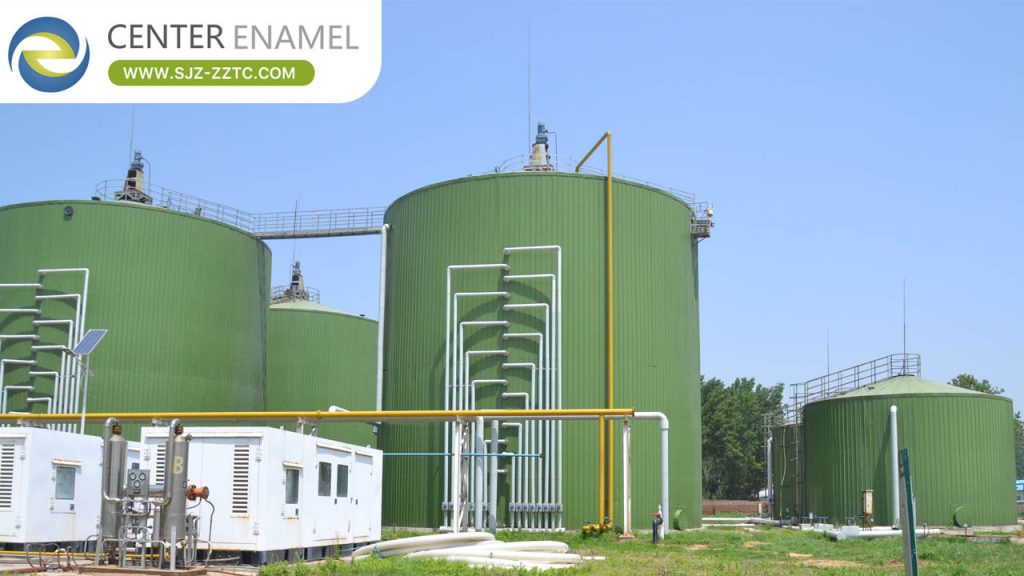
What a Biogas Upgrading Unit Does
Upgrading removes CO₂ (and traces of H₂S, H₂O, O₂) from raw biogas to make biomethane at 95–99% CH₄, suitable for grid injection or vehicle fuel. It sits downstream of the digester; its cost is only part of the total project.
Upgrading CAPEX by Technology
Four routes dominate. Water/scrubber and pressure swing adsorption (PSA) are mature and mid-cost; membrane separation is compact and scalable; amine/chemical scrubbing gives high purity but higher OpEx. All land in the 0.10–0.40 USD/Nm³/h biogas band at typical scales.
| Technology | CAPEX (USD/Nm³/h biogas) | Purity | Note |
| Water scrubbing | 0.15–0.35 | 96–99% CH₄ | mature, simple |
| PSA | 0.15–0.40 | 95–99% CH₄ | good for mid scale |
| Membrane | 0.20–0.40 | 95–98% CH₄ | compact, modular |
| Amine scrubbing | 0.25–0.45 | 97–99% CH₄ | high purity, more OpEx |
Full Biomethane Plant vs Upgrading Alone
If you already have biogas, buy only the upgrader (0.10–0.40 USD/Nm³/h feed). If you must build digestion too, the digester, feed handling, and gas storage push the figure to USD 8,000–18,000 per Nm³/h biomethane for the whole plant. A 500 Nm³/h biomethane facility therefore ranges about USD 4–9 million all-in.
What Drives the CAPEX
Scale (cost per unit falls with size), feed gas quality (more H₂S/CO₂ raises cost), purity target (grid vs vehicle), methane slip limits (0.1–3% dictated by technology), and site factors (gas storage, compression, permitting). Modular skid units reduce civil works.
Technical Considerations
Match the upgrader to the digester output. Raw biogas is 55–65% CH₄; the upgrader must handle the CO₂ swing and reject H₂S first. Methane slip and water/heat integration with the AD CHP matter for the energy balance—waste heat from CHP can dry or regenerate media.
How to Scope a Budget
Start from biomethane target (Nm³/h), pick technology by purity and scale, add digestion only if biogas is not already available, and budget compression/injection separately. Always quote per-Nm³/h to compare vendors fairly.
Project Case Study
Zhenyuan Group Biogas Project in Henan. A vehicle-grade methane plant using medium-temperature CSTR digestion, treating 650 T/D of manure and washing wastewater and producing 3,000,000 m³/year of vehicle-grade CH₄—a real demonstration of digestion-plus-upgrading producing pipeline/vehicle methane at industrial scale.
| Project | Zhenyuan Group Biogas Project (Henan) |
| Location | Xinzheng, Henan, China |
| Industry | Renewable vehicle fuel |
| Application | Vehicle-grade methane production |
| Product | CSTR digesters + upgrading train |
| Capacity | 3,000,000 m³/year CH₄ |
| Quantity | 3 primary + 1 secondary CSTR |
| Material | Glass-Fused-to-Steel (GFS) |
| Standards | ISO 28765, AWWA D103 |
| Status | Delivered reference project |
About Center Enamel
Center Enamel contributes the product technology that the front end of any upgrading project depends on: bolted Glass-Fused-to-Steel tanks engineered for biogas duty. The enameled steel shell (glass fused at 820–930°C, ISO 28765 / AWWA D103, ISO 9001, CE/EN 1090) resists the corrosive H₂S- and moisture-laden biogas environment, and double-membrane gas holders and gasholder roofs can be integrated so the digester output feeds the upgrader cleanly. The company supplies digester, buffer, and condensate tanks sized to the upgrader’s feed rate.
Advantages and Limitations
Upgrading unlocks grid/vehicle-grade revenue and cuts CO₂ intensity. Limits: it adds CAPEX and OpEx on top of digestion, methane slip must be controlled, and small-scale units have poor unit economics—scale and a firm biomethane off-take decide payback.
Comparison: Upgrading vs Whole Plant
| Scope | CAPEX band | When |
| Upgrader only | 0.10–0.40 USD/Nm³/h biogas | biogas already available |
| Full biomethane plant | 8,000–18,000 USD/Nm³/h CH₄ | build digestion too |
A biogas upgrading unit costs about USD 0.10–0.40 per Nm³/h of biogas feed (USD 1,000–4,000 per Nm³/h biomethane); a full digestion-plus-upgrading plant runs USD 8,000–18,000 per Nm³/h biomethane. Technology, scale, feed quality, and off-take drive the number.
Frequently Asked Questions (FAQ)
Q1: What is the CAPEX of a biogas upgrading unit?
A: Roughly USD 0.10–0.40 per Nm³/h of raw biogas feed, or USD 1,000–4,000 per Nm³/h of biomethane output, depending on technology and scale.
Q2: How much is a full biomethane plant?
A: About USD 8,000–18,000 per Nm³/h of biomethane when digestion, gas handling, and balance-of-plant are included.
Q3: Which upgrading technology is cheapest?
A: Water scrubbing and PSA are usually the lowest-CAPEX mature options; membranes cost a bit more but are compact and modular.
Q4: What drives the cost most?
A: Scale, feed-gas quality (H₂S/CO₂), purity target, methane slip limits, and site compression/injection needs.
Q5: Can small plants be economical?
A: Upgrading only pays at sufficient scale and with a firm biomethane off-take; small units have weak unit economics.
Q6: What tank does the front end need?
A: Corrosion-resistant GFS digester and gas-buffer tanks; Center Enamel supplies them with integrated gasholder roofs.
Share your biogas flow, CH₄ target, and off-take plan. We will size digester and buffer tanks to your upgrader, recommend GFS specifications, and confirm standards and delivery for the front end.