
What Is the Composition of Agricultural Wastewater?
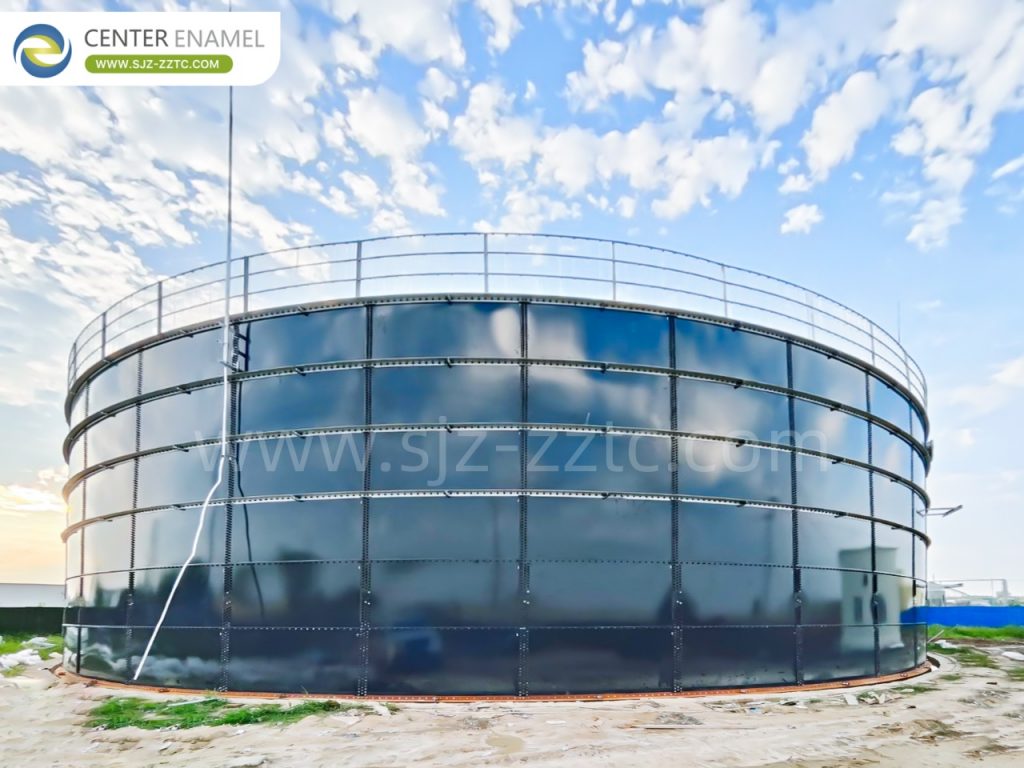
What is the composition of agricultural wastewater? Agricultural wastewater refers to all waste water generated during planting, livestock breeding, and agricultural product processing. Its composition is complex, containing organic pollutants, nutrient elements, suspended solids, pathogens, and chemical residues. Understanding the composition of agricultural wastewater is essential for effective treatment, pollution control, and resource recycling, especially converting it into clean biogas energy. As a professional EPC contractor, Center Enamel provides mature anaerobic technologies and complete solutions for agricultural wastewater biogas projects worldwide.
Main Composition of Agricultural Wastewater
Agricultural wastewater features high organic concentration, complex pollutants and large daily discharge volume. Its core composition includes the following parts:
Organic Matter: Rich in carbohydrates, protein, fat and soluble organics from livestock manure, crop residues and food processing wastewater. High BOD and COD values are the most prominent feature of agricultural wastewater.
Nitrogen and Phosphorus Nutrients: Mainly from livestock urine, farmland fertilizer runoff and breeding waste. Excessive nitrogen and phosphorus easily trigger water eutrophication, algal blooms and river ecological damage.
Suspended Solids (SS): Including soil sediment, crop debris, manure particles and floating impurities, causing water turbidity and pipeline blockage.
Pathogens and Microorganisms: Contains E. coli, salmonella, parasite eggs and other harmful bacteria, easily spreading diseases and threatening rural drinking water safety.
Pesticide and Antibiotic Residues: Pesticide residues from farmland irrigation and antibiotic residues from livestock breeding enter the water body, causing long-term soil and water pollution.
Harmful Gases and Corrosive Components: During natural decay, it produces hydrogen sulfide, ammonia and acidic substances, with certain corrosiveness to pipelines and equipment.
Main Sources of Agricultural Wastewater
Agricultural wastewater mainly comes from three major categories:
1. Livestock and Poultry Breeding Wastewater
Including cattle, chicken, pig and sheep farm wastewater, mixed with manure, urine and washing water. It has high organic content, strong odor and large pollution load, which is the largest source of agricultural wastewater.
2. Farmland Irrigation and Rainfall Runoff
Rainwater washes farmland fertilizers, pesticides and soil sediments into rivers and groundwater, forming dispersed non-point source pollution.
3. Agricultural Product Processing Wastewater
Produced from rice milling, fruit and vegetable processing, slaughterhouses and food factories, featuring high organic matter and easy acidification.
4. Rural Domestic Agricultural Wastewater
Including rural breeding scattered discharge, courtyard cleaning water and seasonal agricultural production wastewater.
Benefits of Converting Agricultural Wastewater into Biogas
Treating agricultural wastewater through anaerobic digestion to produce biogas has remarkable environmental, economic and social benefits.
Completely Solve Pollution Problems: Sealed anaerobic treatment decomposes organic pollutants, removes most pathogens and eliminates odor, avoiding water eutrophication and soil contamination.
Produce Clean Renewable Energy: Agricultural wastewater is converted into biogas (55%–70% methane), which can be used for farm power generation, heating and rural cooking, reducing fossil fuel reliance.
Realize Circular Agricultural Economy: Fermented biogas residue and slurry become high-quality organic fertilizer, returning to farmland to reduce chemical fertilizer use and improve soil fertility.
Reduce Operating Costs: Biogas replaces electricity and firewood, cutting farm energy expenditure; wastewater treatment reduces environmental penalty risks.
Carbon Emission Reduction & Policy Incentives: Capturing methane from agricultural wastewater reduces greenhouse gas emissions, helping farms obtain renewable energy subsidies and carbon reduction benefits.
Four Main Anaerobic Technologies for Agricultural Wastewater
Center Enamel matches four mature anaerobic technologies suitable for different agricultural wastewater characteristics and project scales.
CSTR Process (Completely Stirred Tank Reactor)
Adopts full mechanical stirring, suitable for high-solids livestock breeding wastewater. Uniform mixing prevents scum and sediment, ensuring stable biogas output all year round.
UASB Process (Upflow Anaerobic Sludge Blanket)
Ideal for liquid agricultural wastewater and food processing sewage. High organic removal efficiency, low operation cost and stable performance.
USR Process (Upflow Solids Reactor)
Simple structure, low investment and easy maintenance, perfect for scattered small farms and rural decentralized wastewater biogas projects.
IC Process (Internal Circulation)
Ultra-high load anaerobic technology, 3–5 times higher than traditional reactors. It saves land and is suitable for large-scale agricultural industrial parks with limited space.
Center Enamel’s Advantages in Agricultural Wastewater Biogas Projects
Professional Customized Solutions: According to different agricultural wastewater composition, configure targeted anaerobic processes and GFS tank solutions to ensure treatment effect and biogas yield.
High-Performance GFS Tanks: Glass-Fused-to-Steel Tanks resist acid, alkali and corrosion, adapting to the complex composition of agricultural wastewater. Bolted installation is fast with over 30 years service life.
Strict International Quality Standards: All tank plates pass 1500V high-voltage spark test, complying with ISO, AWWA, CE and other global standards to ensure no leakage.
Strong R&D and Manufacturing Strength: Owns 200+ patented enamel formulas and Asia’s largest GFS tank production base, supporting standardized prefabrication and fast delivery.
Professional Installation & One-Stop EPC Service: Adopts hydraulic jacking top-down installation and zero on-site welding, suitable for rural and farm complex terrain. Provides full services from design, manufacturing, installation to after-sales.
Rich Global Agricultural Project Experience: Accumulated abundant cases in Southeast Asia, South Asia and other regions, familiar with local agricultural wastewater characteristics and environmental policies.
The composition of agricultural wastewater is complex, containing organics, nitrogen, phosphorus, pathogens and chemical residues, which easily cause water and soil pollution. Converting agricultural wastewater into biogas via anaerobic technologies is the most effective way to turn waste into treasure. With four mature anaerobic processes, durable GFS Tanks and one-stop EPC service, Center Enamel provides reliable treatment and biogas production solutions for global agricultural wastewater, helping farms achieve environmental protection, energy self-sufficiency and circular sustainable development.