
What Is the Composition of Pharmaceutical Effluent?
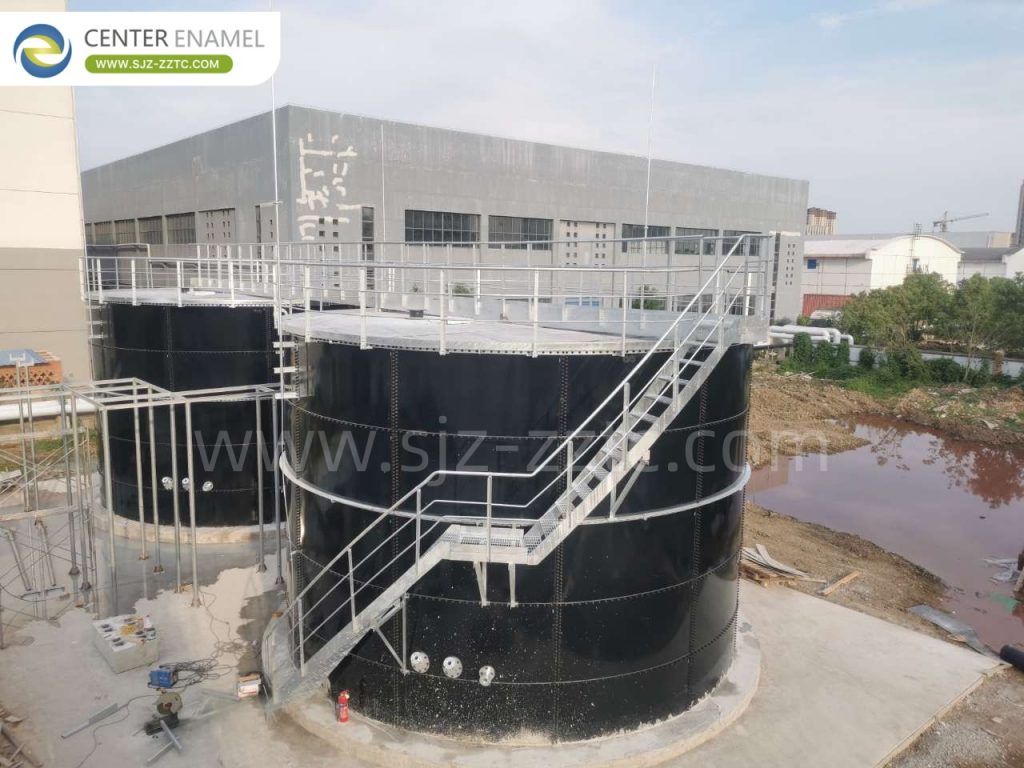
The global pharmaceutical industry produces vast quantities of wastewater that pose unique environmental and public health challenges. Unlike many industrial effluents, pharmaceutical wastewater contains active pharmaceutical ingredients (APIs), complex organic compounds, and persistent chemicals that resist conventional biological treatment . Understanding the precise composition of this effluent is the first critical step toward developing effective treatment strategies. This article provides a comprehensive analysis of pharmaceutical effluent composition, its key components, and the infrastructure solutions required for safe management.
What Is Pharmaceutical Effluent?
Pharmaceutical effluent refers to the wastewater generated during the manufacturing, formulation, and cleaning processes in pharmaceutical production facilities. It originates from multiple sources, including:
Production processes: Water used in chemical synthesis, fermentation, and formulation
Equipment cleaning: Washing reactors, mixers, and filling lines
Cooling and rinsing operations: Process water used for temperature control
Laboratory waste: Rinse water from quality control and research activities
The composition varies significantly depending on the type of pharmaceuticals manufactured, the production processes employed, and the raw materials used .
Key Physicochemical Parameters of Pharmaceutical Effluent
Pharmaceutical effluent exhibits distinctive physicochemical characteristics that define its treatment requirements.
pH and Acidity
Pharmaceutical effluents often display acidic pH values, typically ranging from 4.76 to 5.0 . This acidity can result from pharmaceutical residues such as antibacterials (trimethoprim and sulfamethoxazole), analgesics (ibuprofen and acetaminophen), and organic acids used in production . Low pH levels can cause pipeline corrosion and leaching of heavy metals, posing additional treatment challenges.
Organic Load: BOD and COD
Biological Oxygen Demand (BOD) and Chemical Oxygen Demand (COD) are critical indicators of organic pollution in pharmaceutical effluent. Studies report BOD values ranging from 7.65 to 36.0 mg/L, while COD concentrations range from 60 to 418 mg/L . In some highly concentrated wastewater streams, total organic carbon (TOC) can reach 23,460 mg/L, requiring intensive treatment .
Suspended and Dissolved Solids
Total suspended solids (TSS) typically range from 37 to 57 mg/L, while total dissolved solids (TDS) can reach 90.3 mg/L or higher . These solids contribute to effluent turbidity, which has been measured at 22.1 NTU in some samples .
Conductivity and Salinity
Electrical conductivity values in pharmaceutical effluent range from 127.5 to 320 µS/cm, reflecting the presence of dissolved ions and salts . High conductivity can enhance electrochemical treatment efficiency but also indicates elevated salt content requiring management.
Active Pharmaceutical Ingredients (APIs): The Most Critical Component
Perhaps the most concerning component of pharmaceutical effluent is the presence of APIs-the biologically active compounds that give medications their therapeutic effects.
Concentrations of Common APIs
Detection studies have identified APIs at significant concentrations in pharmaceutical wastewater:
| Pharmaceutical Compound | Detected Concentration |
| Paracetamol | 1300 ± 8 ng/L |
| Metformin | 1100 ± 70 ng/L |
| Mefenamic acid | 630 ± 3 ng/L |
| Captopril | 560 ± 11 ng/L |
| Amitriptyline | 510 ± 1 ng/L |
| Ibuprofen | 3.98 - 885 µg/L |
| Linezolid | Up to 1095 mg/L |
Why APIs Are Difficult to Remove
APIs are designed to be chemically and metabolically stable to remain effective in the human body. This stability makes them equally persistent in the environment and resistant to biodegradation . Conventional wastewater treatment plants are not specifically designed to remove these micropollutants, resulting in 31% of pharmaceuticals showing higher concentrations in effluent than influent-indicating accumulation rather than removal .
Environmental Risks of API Contamination
When APIs enter water bodies, they can harm aquatic life at extremely low concentrations. Psychopharmaceuticals, for example, can alter behavior in fish species by affecting neurochemical pathways similar to those in humans . Antibiotics in effluent can also promote antimicrobial resistance, a growing global health crisis .
Heavy Metals and Inorganic Pollutants
Pharmaceutical effluents frequently contain heavy metals that originate from catalysts, reagents, and raw materials used in synthesis.
Common Heavy Metals Detected
| Metal | Concentration Range |
| Iron | Up to 36.45 mg/L |
| Manganese | Up to 20.0 mg/L |
| Calcium | Up to 120 mg/L |
| Zinc | 0.0277 - 0.88 mg/L |
| Chromium | 0.31 mg/L |
| Lead | 0.0004 - 0.22 mg/L |
| Arsenic | 0.0113 - 0.04 mg/L |
Heavy Metal Removal Challenges
Aerobic biological treatment plants have shown varying removal efficiencies for heavy metals, with copper removal at 84.62%, iron at 65.04%, and chromium at only 38% . Chromium and cadmium concentrations often remain above permissible limits even after treatment, indicating that metal-ligand behavior can interfere with removal processes .
Nutrients and Emerging Contaminants
Nitrogen and Phosphorus
Pharmaceutical effluent contains nutrients that can cause eutrophication in receiving waters. Nitrate concentrations range from 0.18 to 8.96 mg/L, while phosphate levels can reach 1.96 to 3.21 mg/L . These nutrients, often exceeding regulatory limits, contribute to algal blooms and oxygen-depleted dead zones in aquatic ecosystems .
Phenolic Compounds
Phenolic compounds, used as intermediates in pharmaceutical synthesis, have been detected at concentrations above regulatory standards . These compounds are toxic and can contribute to genotoxicity, as demonstrated by micronucleus tests indicating increased DNA damage following effluent exposure .
Endocrine Disrupting Chemicals
Pharmaceutical effluent may contain endocrine disrupting chemicals (EDCs) including bisphenol A (BPA), parabens, phthalates, and benzophenones . These compounds can interfere with hormonal systems, causing developmental disorders, reproductive issues, and cancer risks in both humans and wildlife .
Radiopharmaceuticals: A Specialized Concern
A unique component of some pharmaceutical effluents is radiopharmaceuticals-radioactive compounds used in diagnostic and therapeutic medical procedures.
Detection in Wastewater
Studies have detected radiopharmaceuticals in wastewater treatment plant influents and effluents. Gallium-67 (Ga-67) was detected at 0.28 ± 0.07 Bq/L in influent and 0.22 ± 0.02 Bq/L in effluent, while iodine-131 (I-131) was found in sludge samples at 5 ± 2 Bq/kg .
Environmental Persistence
Radiopharmaceuticals can bind to suspended organic particles in sewage systems, maintaining radioactivity beyond their known radioactive decay periods . They can also assimilate into soil matrices and enter the food chain through plant uptake, presenting long-term environmental health risks.
Treatment Challenges and Infrastructure Requirements
Why Conventional Treatment Fails
Pharmaceutical wastewater's unique composition-particularly its persistent APIs and complex organic compounds-makes it resistant to conventional biological treatment. Removal efficiencies for BOD and COD typically reach only 86.81% and 72.29% respectively in standard aerobic systems . Moreover, many APIs remain largely untouched, passing through treatment plants and entering receiving waters .
Advanced Treatment Solutions
Effective pharmaceutical wastewater treatment requires corrosion-resistant, durable infrastructure capable of handling aggressive chemical environments. Key treatment technologies include:
Membrane Distillation (MD): Achieves up to 99.9% rejection of pharmaceutical compounds
Electrochemical Advanced Oxidation Processes (EAOPs): Degrades >99% of persistent APIs
Ozonation and Granular Active Carbon (GAC): Achieves 57-60% compound removal
Anaerobic and aerobic biological systems: Enhanced designs for improved organic load reduction
Center Enamel: Your Partner in Pharmaceutical Wastewater Treatment Projects
Treating complex pharmaceutical effluent requires infrastructure that combines exceptional corrosion resistance, durability, and operational reliability. Center Enamel, a world leader in engineered storage and treatment solutions, provides the critical infrastructure needed for pharmaceutical wastewater management.
With over 30 years of innovation and projects in more than 100 countries, Center Enamel offers:
Glass-Fused-to-Steel (GFS) Tanks: The global benchmark for corrosion-resistant containment. Fused at temperatures exceeding 820°C, these tanks resist pH 1-14 environments, protecting against organic acids and aggressive chemical compounds found in pharmaceutical effluent.
Fusion Bonded Epoxy Tanks: High-performance storage solutions for equalization, biological reactors, and treated water holding.
Turnkey EPC Services: Comprehensive design, engineering, procurement, and construction for complete wastewater treatment systems.
Center Enamel's infrastructure is engineered to withstand the demanding conditions of pharmaceutical wastewater treatment, ensuring regulatory compliance and environmental protection.
Frequently Asked Questions (FAQs)
1. What are the main pollutants in pharmaceutical effluent?
Pharmaceutical effluent primarily contains active pharmaceutical ingredients (APIs) such as antibiotics, analgesics, and anti-inflammatory drugs, along with organic matter measured as BOD and COD, heavy metals (iron, manganese, chromium, lead), nutrients (nitrates and phosphates), and phenolic compounds. Some effluents may also contain radiopharmaceuticals.
2. Why is pharmaceutical wastewater difficult to treat?
Pharmaceutical wastewater is challenging because APIs are designed to be chemically and metabolically stable, making them resistant to biodegradation. Conventional biological treatment plants, designed primarily for organic matter and nutrient removal, cannot effectively eliminate these persistent compounds. Additionally, the presence of heavy metals and complex organic mixtures interferes with treatment processes.
3. What advanced treatment technologies are effective for pharmaceutical effluent?
Effective treatment technologies include membrane distillation, electrochemical advanced oxidation processes, ozonation, granular active carbon filtration, and hybrid systems combining multiple approaches. These methods can achieve over 99% degradation of persistent compounds. Robust, corrosion-resistant infrastructure like Glass-Fused-to-Steel tanks is essential for housing these treatment processes.