
What Is the Difference Between Aerobic and Anaerobic Sludge Digestion?
The difference is that aerobic sludge digestion uses air or oxygen and produces no methane but stabilizes biosolids with high energy demand (0.5–1.5 kWh/kg COD), while anaerobic digestion runs without oxygen, converts organics to 0.30–0.45 m³ of biogas per kg of COD at 35–38°C, and yields a usable fuel plus digestate.
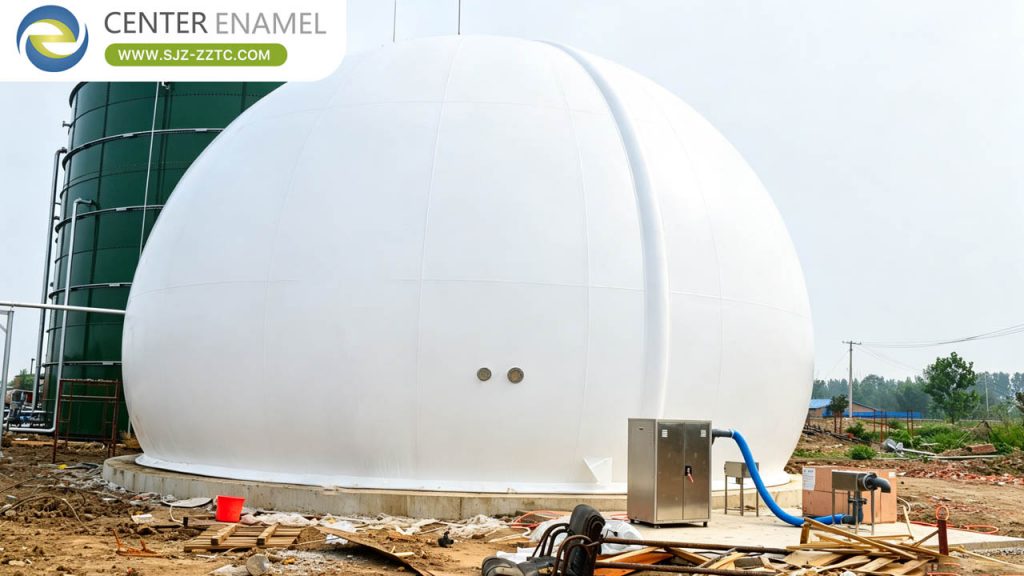
What Each Process Is
Both stabilize sludge—breaking down volatile solids so the residue is safe and less odorous. Aerobic digestion feeds air/oxygen so microbes respire organics to CO₂ and biomass. Anaerobic digestion excludes oxygen so a microbial chain ferments organics to biogas (mostly methane and CO₂). Same goal, opposite gas outcome.
The Energy Balance Is the Deciding Factor
Aerobic digestion is energy-hungry: blowing air costs 0.5–1.5 kWh per kg of COD treated, which can exceed the energy value of the sludge. Anaerobic digestion flips that—instead of spending energy, it returns 0.30–0.45 m³ biogas per kg COD, about 60% methane, which can power the plant. For energy recovery, anaerobic wins decisively.
Operating Conditions
Aerobic needs only air, moderate temperature, and good mixing—simpler to start and more tolerant of upsets. Anaerobic needs heating to mesophilic 35–38°C (or thermophilic 50–55°C), strict anaerobiosis, and longer retention, but it tolerates higher solids and produces a marketable digestate.
Comparative Data Table: Aerobic vs Anaerobic Sludge Digestion
| Aspect | Aerobic digestion | Anaerobic digestion |
| Oxygen | air / oxygen | none |
| Methane produced | no | yes (~55–65% CH₄) |
| Energy demand | 0.5–1.5 kWh/kg COD | net energy positive |
| Temperature | ambient–moderate | 35–38°C (meso) |
| Retention | 12–20 days | 15–30 days |
| Biosolids | stabilized, no fuel | digestate + biogas |
Technical Considerations
Choose by objective. If the priority is simple stabilization with no gas handling and the plant has cheap power, aerobic fits small plants. If energy recovery, odor control at scale, and a fertilizer by-product matter, anaerobic is the standard for municipal and industrial sludge. Mixing, grit, and heating are the anaerobic sore points.
Advantages and Limitations
Aerobic is simpler, faster to stabilize, and robust to shocks, but it is an energy sink with no fuel. Anaerobic recovers energy and nutrients but needs heating, gas handling, and skilled operation. Neither is “better” universally—the energy balance decides.
Best Practices / How to Choose
For energy-neutral targets and larger plants, choose anaerobic with CHP. For small plants with cheap power and no gas offtake, aerobic is pragmatic. Where both matter, anaerobic with digestate land application is the common municipal default.
Aerobic and anaerobic sludge digestion both stabilize biosolids, but aerobic spends 0.5–1.5 kWh/kg COD and makes no methane, while anaerobic runs at 35–38°C and returns 0.30–0.45 m³ biogas per kg COD. The energy balance—cost versus fuel—is what separates them in practice.
Frequently Asked Questions (FAQ)
Q1: What is the difference between aerobic and anaerobic sludge digestion?
A: Aerobic uses air, no methane, high energy (0.5–1.5 kWh/kg COD); anaerobic is oxygen-free, makes 0.30–0.45 m³ biogas/kg COD at 35–38°C, and yields digestate.
Q2: Which uses more energy?
A: Aerobic—blowing air can cost more energy than the sludge is worth; anaerobic is net energy-positive because it recovers biogas.
Q3: Which produces methane?
A: Only anaerobic digestion, at roughly 55–65% methane in the biogas; aerobic respiration releases CO₂, not fuel.
Q4: Which is simpler to run?
A: Aerobic—no gas handling, heating, or strict anaerobiosis; anaerobic needs heating, gas systems, and more skilled operation.
Q5: How do I choose?
A: Pick anaerobic for energy recovery and larger plants; aerobic for small plants with cheap power and no gas offtake.
Q6: Can both stabilize sludge?
A: Yes—both break down volatile solids; the difference is the energy/methane outcome and the operating complexity.
Project Case Reference
Malaysia Biogas Project — Malaysia · 2026
5 GFS Tanks · 27,000 m³ Total Volume · 22,000 m³ Biogas/Day
A large-scale biogas project in Malaysia featuring 5 Glass-Fused-to-Steel (GFS) tanks. The project achieves approximately 80% digestibility, with each single tank producing about 4,400 m³ of biogas daily, totaling 22,000 m³ per day across all 5 tanks.
Technical Specifications
Single Tank Volume: 5,400 m³ (Ø24.46 × 12 m)
Total Effective Volume: 27,000 m³ (5 tanks)
Daily Biogas Production: 22,000 m³ total
Digestibility: ≈ 80%
Gas Production Rate: 0.45 m³ / kg COD removed
Tank Type: Glass-Fused-to-Steel (GFS)
Water Quality Data
| Parameter | Inlet Water | Effluent |
| COD | ≥ 60,000 mg/L | ≥ 12,000 mg/L |
| BOD | ≤ 25,000 mg/L | ≤ 5,000 mg/L |