
What Is the Difference Between Anaerobic and Aerobic Digestion?
As global populations grow and industrial activities intensify, the management of organic waste has become one of the most pressing environmental challenges of our time. Municipalities, agricultural operations, and food processing plants generate millions of tons of biodegradable material annually, requiring efficient, sustainable, and cost-effective treatment solutions.
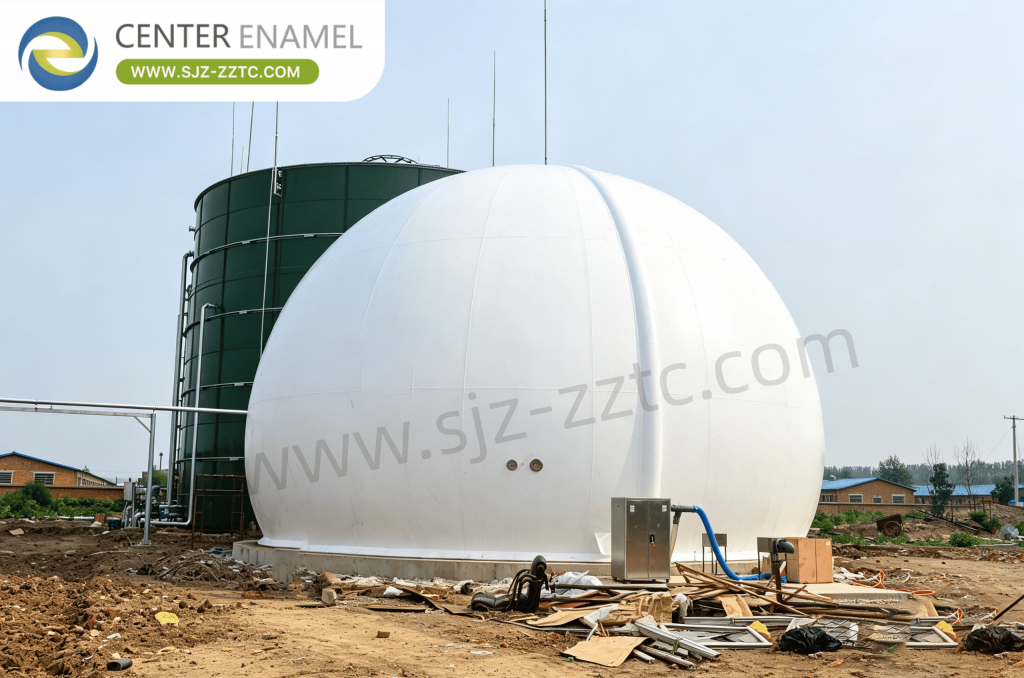
Among the most widely adopted biological waste treatment technologies are anaerobic digestion and aerobic digestion. While both processes rely on microorganisms to break down organic matter, they operate under fundamentally different conditions, yield distinct end products, and serve different waste management objectives.
Understanding the difference between these two digestion methods is essential for engineers, environmental managers, policymakers, and business owners seeking to optimize waste treatment systems, recover energy, or comply with environmental regulations. This article provides a comprehensive, science-based comparison of anaerobic and aerobic digestion, covering mechanisms, performance metrics, applications, and economic considerations to guide informed decision-making.
Defining Anaerobic and Aerobic Digestion
What Is Anaerobic Digestion?
Anaerobic digestion (AD) is a biological process in which microorganisms decompose organic matter in the complete absence of oxygen. This process occurs naturally in environments such as swamps, sediments, and the digestive tracts of ruminant animals. In engineered systems, AD takes place inside sealed, heated tanks called digesters.
The process involves a complex consortium of hydrolytic, acidogenic, acetogenic, and methanogenic bacteria that work sequentially to break down complex polymers (carbohydrates, proteins, and lipids) into simpler compounds. The final products include biogas (a mixture primarily composed of methane (CH₄) and carbon dioxide (CO₂)) and a nutrient-rich digestate that can be used as soil amendment.
What Is Aerobic Digestion?
Aerobic digestion, in contrast, requires a continuous supply of oxygen or air. Microorganisms use oxygen as the terminal electron acceptor in respiratory metabolism, oxidizing organic carbon fully to CO₂, water, and inorganic nutrients. This process is the biological foundation of composting, activated sludge systems in wastewater treatment, and bioremediation.
Aerobic digestion is generally faster than anaerobic digestion due to the higher energy yield of aerobic respiration per mole of substrate. However, it requires significant energy input for aeration and produces heat as a byproduct-heat that must be managed to prevent overheating of the biological system.
Core Difference in One Sentence
Anaerobic digestion operates without oxygen to produce methane-rich biogas, while aerobic digestion uses oxygen to produce CO₂, water, and stabilized solids.
The Biological Mechanisms and Microbial Communities
The microbial ecosystems driving each process are vastly different in composition, sensitivity, and functional roles.
Anaerobic Digestion: A Four-Stage Process
| Stage | Microorganisms | Reaction | Products |
| Hydrolysis | Hydrolytic bacteria | Breakdown of polymers (cellulose, proteins, fats) into monomers | Sugars, amino acids, fatty acids |
| Acidogenesis | Acidogenic bacteria | Fermentation of monomers | Volatile fatty acids (VFAs), alcohols, H₂, CO₂ |
| Acetogenesis | Acetogenic bacteria | Conversion of VFAs and alcohols to acetate, H₂, CO₂ | Acetate, hydrogen, CO₂ |
| Methanogenesis | Methanogenic archaea | Reduction of CO₂ or cleavage of acetate | CH₄, CO₂ |
Each stage depends on the previous one, and methanogens are particularly sensitive to pH, temperature, and ammonia concentration. Imbalances can lead to VFA accumulation, pH drops, and process failure.
Aerobic Digestion: A Simpler Two-Phase Path
Aerobic digestion involves only two main phases:
Aerobic oxidation: Organic matter + O₂ → CO₂ + H₂O + energy (heat).
Endogenous respiration: As substrate becomes limited, microbes oxidize their own cellular material to maintain energy needs, resulting in net biomass reduction.
The microbial community is dominated by aerobic bacteria, fungi, and protozoa. Unlike anaerobic systems, there is no requirement for syntrophic interactions between distinct guilds, making the process more robust and easier to start up. However, oxygen transfer limitation often becomes the rate-controlling factor in large-scale systems.
Key Operational Parameters Compared
Successful operation of either process depends on maintaining specific environmental conditions. The table below summarizes the most critical parameters.
| Parameter | Anaerobic Digestion | Aerobic Digestion |
| Oxygen requirement | None (strictly anoxic) | Continuous (1–2 kg O₂ per kg BOD removed) |
| Temperature range | Psychrophilic (<20°C), Mesophilic (30–40°C), Thermophilic (50–60°C) | Mesophilic (20–45°C) or Thermophilic (45–70°C) |
| Optimal pH | 6.8 – 7.4 | 6.5 – 8.5 |
| Retention time | 15 – 40 days (liquid systems) | 2 – 10 days (activated sludge) |
| Carbon-to-Nitrogen ratio | 20:1 – 30:1 | 25:1 – 35:1 (composting) |
| Mixing requirement | Intermittent or gentle | Intense for oxygen transfer |
| Process stability | Sensitive to inhibitors (NH₃, sulfides, heavy metals) | More tolerant; recovers faster |
Temperature significantly impacts reaction kinetics. Thermophilic AD yields higher biogas production rates and pathogen reduction but demands more heating energy. Aerobic systems generate substantial metabolic heat-compost piles can reach 70°C spontaneously-which aids in pathogen kill but may require turning to prevent excessive temperatures that inhibit microbial activity.
Products and Byproducts – Energy vs. Stabilization
Anaerobic Digestion: Biogas and Digestate
The primary product is biogas, typically containing 50–70% methane and 30–50% CO₂, with trace amounts of H₂S, NH₃, and siloxanes. Biogas can be used directly in boilers, upgraded to biomethane (renewable natural gas) for grid injection, or combusted in combined heat and power (CHP) units to generate electricity and heat.
The residual digestate is a liquid or semisolid material rich in ammonium nitrogen, phosphorus, potassium, and micronutrients. However, it may contain pathogens and odors unless post-treated. Digestate can be separated into a solid fraction (for bedding or composting) and a liquid fraction (for fertilizer or irrigation).
Aerobic Digestion: CO₂, Heat, and Compost
Aerobic digestion produces CO₂, water vapor, and stabilized organic solids (compost or biosolids). No useful fuel gas is generated; instead, the energy is released as heat, which can be captured in some advanced systems but is typically lost to the environment.
The solid end product is biologically stable, pathogen-free (if thermophilic temperatures are achieved), and has reduced volume (typically 40–60% reduction in wet weight). Compost improves soil structure, water retention, and provides slow-release nutrients. In wastewater treatment, aerobic digestion is used to reduce sludge volume and render it suitable for land application.
Energy Balance and Operational Costs
Energy considerations often determine the economic viability of each technology, especially for large-scale facilities.
Anaerobic Digestion: Net Energy Positive
Because methane is a high-calorific fuel (approx. 35.8 MJ/Nm³), AD systems typically produce more energy than they consume. The biogas can cover internal heating and mixing requirements, with surplus electricity exported to the grid. This makes AD attractive for farms, food processors, and municipal wastewater plants with high organic loads.
However, initial capital costs are high (digester vessels, gas handling, cogeneration units), and maintenance of gas-scrubbing equipment adds to operating expenses. Process monitoring (pH, VFA, alkalinity, gas composition) is critical and requires skilled personnel.
Aerobic Digestion: Net Energy Negative
Aerophilic systems are net energy consumers, primarily due to the electricity demanded by blowers, diffusers, or mechanical aerators. Composting requires less energy but still consumes fuel for turning, shredding, and screening. In activated sludge wastewater treatment, aeration alone accounts for 45–60% of total plant energy usage.
The advantage lies in lower capital investment (simpler tanks, no gas collection) and faster processing. For smaller communities or facilities with low energy prices, aerobic stabilization remains the default choice despite ongoing power costs.
Tip: Combined systems (e.g., aerobic pre-treatment followed by anaerobic polishing) can balance energy recovery with effluent quality, though they add complexity.
Environmental Impacts and Sustainability
Both processes have environmental footprints beyond greenhouse gas emissions.
Anaerobic Digestion – Climate Benefits and Risks
Positive: Captures methane that would otherwise escape from landfills or manure lagoons; offsets fossil fuel usage through renewable energy.
Negative: Digestate application can release NH₃ and N₂O (a potent greenhouse gas) if not managed properly. Leakage of biogas (methane has 28× the warming potential of CO₂ over 100 years) is a serious concern. H₂S in biogas must be scrubbed to avoid SOx emissions upon combustion.
Aerobic Digestion – Emissions and Land Use
Positive: Produces stable organic matter that sequesters carbon in soil; reduces landfill methane emissions by diverting organics.
Negative: Direct CO₂ emissions are biogenic (carbon-neutral over short cycles), but aeration energy often comes from fossil fuels. Composting emits volatile organic compounds (VOCs), NH₃, and odorous sulfides. Open windrow systems also generate fugitive dust and leachate runoff.
From a life-cycle perspective, anaerobic digestion generally shows lower global warming potential per tonne of organic waste treated, provided biogas is utilized effectively. However, aerobic composting may be preferable for source-separated green waste where energy recovery is impractical and the final compost has high market value.
Applications – Which Process Suits Which Waste?
Ideal Feedstocks for Anaerobic Digestion
High-moisture, pumpable wastes: Food processing residues, slaughterhouse blood, dairy effluent, brewery spent grains.
Manures and slurries: Pig, cattle, and poultry manure with 5–15% total solids.
Energy crops: Maize silage, grass, or rye (co-digested with manure for balanced C:N).
Municipal wastewater primary sludge (when co-digested with fats, oils, and grease).
AD is less suitable for lignocellulosic materials (wood, straw) without pre-treatment, as lignin resists hydrolysis.
Ideal Feedstocks for Aerobic Digestion
Green waste: Leaves, grass clippings, branches, and garden trimmings (high C:N).
Food waste (when mixed with bulking agents like wood chips to improve porosity).
Sewage sludge (especially waste-activated sludge from extended aeration plants).
Paper and cardboard (in composting facilities).
Aerobic systems cannot handle high-fat or high-protein wastes effectively without excessive odor and pH drops. They are also poor at breaking down recalcitrant organics like plastics or chemicals.
Decision Matrix for Technology Selection
| Criterion | Prefer Anaerobic | Prefer Aerobic |
| Waste moisture | >80% | 40–60% |
| Energy recovery | Desired | Not required |
| Land availability | Limited (compact digesters) | Ample (windrow space) |
| Capital budget | Higher | Lower |
| Operational expertise | Advanced | Basic |
| End-use priority | Renewable fuel | Soil amendment |
Recent Innovations and Hybrid Systems
The boundary between anaerobic and aerobic digestion is blurring thanks to emerging technologies.
Two-Stage Digestion (Anaerobic + Aerobic)
Some facilities use a first-stage anaerobic digester to produce biogas, followed by an aerobic polishing step to remove residual BOD and ammonia from the digestate. This improves effluent quality and reduces odor.
Microaerobic Digestion
By injecting trace amounts of oxygen into an anaerobic digester, operators can enhance hydrolysis, reduce H₂S toxicity, and even promote methanogenesis under micro-oxic conditions. This hybrid approach is still experimental but shows promise for difficult wastewaters.
Anaerobic Composting (Bokashi)
A household-scale technology that ferments kitchen waste under sealed, oxygen-limited conditions, producing a pre-digested material that is later buried in soil to complete aerobic stabilization. This bridges the gap between AD and composting for decentralized applications.
Electro-assisted Digestion
Applying low-voltage electric fields to digesters can stimulate microbial electron transfer, accelerating both aerobic and anaerobic biodegradation while reducing required retention times.
These innovations demonstrate that the choice is not always binary; integrated systems can capture the strengths of both regimes while mitigating their weaknesses.
Comparison Table – Anaerobic vs. Aerobic Digestion at a Glance
| Feature | Anaerobic Digestion | Aerobic Digestion |
| Oxygen | Absent | Required |
| Final carbon product | CH₄ + CO₂ | CO₂ + biomass |
| Energy output | Biogas (methane) – usable | Heat (typically wasted) |
| Energy balance | Positive (net exporter) | Negative (net consumer) |
| Reaction speed | Slow (weeks to months) | Fast (days to weeks) |
| Biomass yield | Low (0.04–0.10 g VSS/g COD) | High (0.4–0.6 g VSS/g COD) |
| Odor potential | Moderate (H₂S, NH₃) | High (NH₃, VOCs) unless controlled |
| Pathogen reduction | Moderate (thermophilic good) | Good (thermophilic excellent) |
| Nutrient fate | NH₄⁺ remains in digestate | N lost as NH₃ (volatilization) |
| Footprint | Small (reactor volume) | Large (composting area) |
| Capital cost | High | Low–Moderate |
| Operating cost | Moderate | High (aeration energy) |
Anaerobic and aerobic digestion are complementary rather than competitive technologies. Anaerobic digestion excels at converting wet, high-strength organic wastes into renewable biogas while producing a nutrient-rich residue, making it ideal for energy recovery and waste diversion. Aerobic digestion offers a simpler, faster, and lower-capital pathway to produce stabilized, pathogen-free solids suitable for agricultural and landscaping applications.
The optimal choice depends on waste characteristics, energy prices, available land, regulatory requirements, and long-term sustainability goals. For many large-scale operations, a hybrid approach that integrates both processes may deliver the best overall performance – capturing energy from the most concentrated streams while using aerobic polishing to ensure environmental compliance.
As circular economy principles gain traction, both digestion technologies will play vital roles in transforming organic waste from a liability into a valuable resource. Investing in the right system – or combination of systems – is not just an engineering decision; it is a strategic commitment to resource efficiency and climate resilience.
H2: FAQ – Frequently Asked Questions
1. Which process is better for biogas production – anaerobic or aerobic?
Anaerobic digestion is the only process that produces biogas (methane and CO₂) as a usable fuel. Aerobic digestion does not produce methane; it releases energy as heat and CO₂. Therefore, if your goal is renewable energy generation, AD is the clear choice. For waste stabilization without energy recovery, aerobic digestion is sufficient.
2. Can I switch from aerobic to anaerobic treatment in an existing facility?
Converting an aerobic plant to anaerobic is technically challenging and rarely cost-effective. The reactor geometry, mixing systems, and microbial cultures are fundamentally different. You would need new gas-tight vessels, heating systems, and biogas handling equipment. However, you can add an anaerobic pre-treatment step upstream of your existing aerobic system to reduce organic loading and generate energy, while using the aerobic stage as final polishing.
3. Is anaerobic digestion always more environmentally friendly than aerobic digestion?
Not automatically. While AD reduces net greenhouse gas emissions when biogas is captured, it also risks methane leaks and digestate management issues. Aerobic composting sequesters carbon in soil and avoids methane, but requires fossil-fuel-based aeration. The better option depends on waste type, local energy mix, land use, and regulatory drivers. A full life-cycle assessment (LCA) is recommended for each specific case before making a decision.