
What Is the Difference Between CBG and LPG?
As the world seeks cleaner and more sustainable energy alternatives, two acronyms frequently appear in discussions about fuel options: CBG (Compressed Biogas) and LPG (Liquefied Petroleum Gas). While both can be used for cooking, heating, and even transportation, they are fundamentally different in origin, composition, and environmental impact.
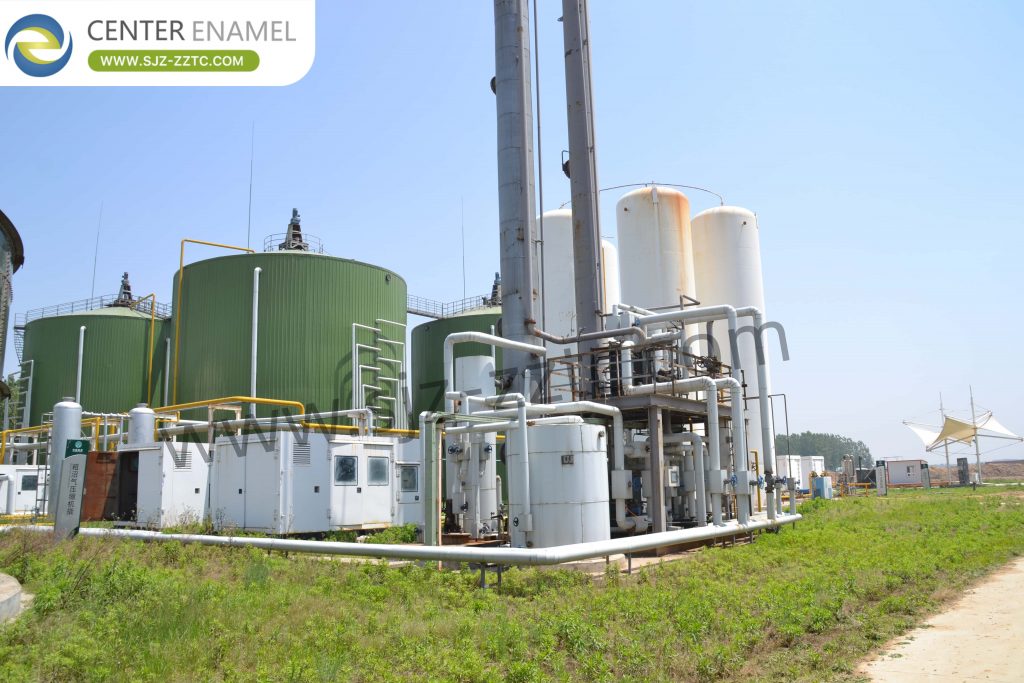
Understanding the difference between CBG and LPG is essential for consumers, businesses, and policymakers evaluating energy choices. This article provides a comprehensive comparison of these two gases, covering their production processes, chemical properties, applications, and sustainability profiles.
What Is CBG (Compressed Biogas)?
Compressed Biogas (CBG) is a renewable fuel produced through the anaerobic digestion of organic materials such as agricultural waste, animal manure, food waste, and municipal solid waste. The raw biogas generated from this process consists primarily of methane (55–70%) and carbon dioxide (30–45%), along with trace impurities like hydrogen sulfide and water vapor.
To convert raw biogas into CBG, it undergoes a purification and upgrading process to remove carbon dioxide, moisture, and other impurities, resulting in a methane concentration of over 90%. The purified gas is then compressed at high pressure (typically 200–250 bar) for storage and distribution in cylinders or injection into gas grids.
CBG is considered a renewable and carbon-neutral fuel because the organic materials used in its production come from plants that absorbed atmospheric carbon dioxide during their growth. When CBG is burned, it releases carbon that was recently captured, creating a closed carbon cycle.
What Is LPG (Liquefied Petroleum Gas)?
Liquefied Petroleum Gas (LPG) is a fossil fuel derived from crude oil refining and natural gas processing. It primarily consists of propane (C₃H₈) and butane (C₄H₁₀), with smaller amounts of propylene and butylene depending on the source.
LPG is produced as a byproduct during the refining of crude oil into gasoline, diesel, and other petroleum products. It is also extracted from natural gas streams at processing plants. The gas is liquefied under moderate pressure (typically 5–10 bar) to reduce its volume for storage and transportation in cylinders or tanks.
Because LPG originates from fossil sources, its combustion releases carbon that had been stored underground for millions of years, contributing to net greenhouse gas emissions.
Key Differences Between CBG and LPG
Origin and Production
The most fundamental difference lies in their source material. CBG is produced from renewable organic waste through biological processes, while LPG is derived from finite fossil fuel resources through physical separation and refining. This distinction underpins their differing environmental profiles.
Chemical Composition
CBG is predominantly methane (CH₄) at concentrations above 90%, with minimal carbon dioxide and other impurities after upgrading. In contrast, LPG is a mixture of propane and butane hydrocarbons, with variable compositions depending on the source and processing.
Energy Content and Combustion Properties
Despite their different compositions, CBG and LPG have comparable energy densities. CBG has a calorific value of approximately 52,000–57,000 kJ/kg, while LPG (propane-based) delivers around 49,580 kJ/kg. However, their combustion characteristics differ significantly.
Table 1: Comparison of Physical and Combustion Properties
| Property | CBG (Compressed Biogas) | LPG (Liquefied Petroleum Gas) |
| Primary Component | Methane (CH₄) ≥90% | Propane (C₃H₈) & Butane (C₄H₁₀) |
| Density (kg/m³) | ~0.65–0.75 (lighter than air) | ~1.8–2.5 (heavier than air) |
| Calorific Value | 52,000–57,000 kJ/kg | ~49,580 kJ/kg |
| Storage Pressure | 200–250 bar | 5–10 bar |
| Wobbe Index | Lower | Approximately double that of CBG |
The Wobbe Index of LPG is approximately double that of CBG, meaning the two gases are not interchangeable without appliance modification. The density difference is also critical: CBG is lighter than air and disperses upward, while LPG is heavier and tends to accumulate at ground level, presenting different safety considerations.
Environmental Impact
Table 2: Environmental and Sustainability Comparison
| Aspect | CBG | LPG |
| Source Type | Renewable (organic waste) | Fossil (crude oil/natural gas) |
| Carbon Cycle | Closed-loop (biogenic carbon) | Net positive (fossil carbon) |
| Methane Emissions | Captures methane that would otherwise escape | N/A (extracted, not captured) |
| Waste Management | Utilizes agricultural and municipal waste | No waste utilization benefit |
| Sustainability | Carbon-neutral or net climate-positive | Non-renewable |
CBG offers significant environmental advantages. The production process captures methane that would otherwise be released from decomposing organic waste—methane has a global warming potential 28–34 times higher than carbon dioxide over a 100-year period. When accounting for avoided methane emissions, CBG can be net climate-positive.
LPG, while cleaner-burning than coal or diesel, still introduces fossil carbon into the atmosphere. It is a non-renewable resource with no carbon-capture benefit.
Applications and Uses
Both CBG and LPG serve similar end-use markets, though with important technical differences.
CBG Applications:
Residential and commercial cooking (with appropriate appliance modifications)
Transportation fuel (automotive use, comparable to CNG)
Industrial heating and power generation
Injection into city gas distribution networks
LPG Applications:
Residential cooking and heating (widely established infrastructure)
Commercial and industrial heating
Transportation fuel (particularly for light commercial fleets)
Agricultural heating and crop drying
While CBG can technically replace LPG in many applications, stove and appliance modifications are typically required due to differences in Wobbe Index, density, and flow characteristics. Research on converting LPG stoves to biomethane has demonstrated that without modification, CBG will not combust properly in LPG appliances.
Safety Considerations
The physical properties of CBG and LPG dictate different safety protocols:
CBG (Methane-based):
Lighter than air, disperses rapidly upward
Requires hot flare systems with continuous pilot flames in industrial settings to ensure immediate combustion and minimize unburned methane release
Lower density means accumulation risks are lower in open areas
LPG (Propane/Butane-based):
Heavier than air, accumulates at ground level and in confined spaces
High explosion risk from accumulation
Requires controlled or hot flare systems with strict safety controls
Closed piping systems and immediate combustion are critical
Cost and Economic Considerations
The economic picture for CBG and LPG varies by region and application. LPG has a mature global market with established supply chains and widespread distribution infrastructure. CBG production is still developing in many regions, with capital-intensive plant requirements.
In markets like India, CBG is being promoted as a strategic substitute for LPG imports, with government policies supporting the establishment of CBG plants under the SATAT framework. The economic viability depends on feedstock availability, plant utilization rates, and policy incentives.
Conclusion
The difference between CBG and LPG extends far beyond their acronyms. CBG represents a renewable, waste-to-energy pathway that addresses both waste management and climate concerns. LPG is a conventional fossil fuel with established infrastructure and widespread availability.
For consumers and businesses considering the switch from LPG to CBG, the primary considerations are appliance compatibility, local availability, and the desire to reduce carbon footprint. While CBG offers compelling environmental benefits, its adoption requires infrastructure development and technical adjustments. As renewable energy policies evolve and CBG production scales up, this renewable gas is positioned to play an increasingly important role in the global energy mix.
FAQ
What is the main difference between CBG and LPG?
The main difference is their origin: CBG is produced from renewable organic waste (agricultural residue, animal manure, food waste) through anaerobic digestion and purification, while LPG is a fossil fuel derived from crude oil refining and natural gas processing. This fundamental distinction affects their environmental impact, sustainability, and carbon footprint.
Can CBG be used directly in LPG stoves?
No, CBG cannot be used directly in LPG appliances without modification. The Wobbe Index of LPG is approximately double that of CBG, and LPG is 2–3 times denser. These differences mean that CBG will not combust properly in an unmodified LPG stove. Conversion requires adjustments to burner jets or supply conditions.
Is CBG cheaper than LPG?
The cost comparison varies significantly by region and market conditions. LPG generally has a lower upfront cost due to mature supply chains and established infrastructure. CBG production is capital-intensive, and its price depends on feedstock costs, plant scale, and government incentives. In some markets like India, CBG is promoted as a strategic substitute for imported LPG, with policy support aimed at improving its cost competitiveness over time.