
What Is the Difference Between EPC and Turnkey Delivery?
EPC covers Engineering, Procurement, and Construction: the contractor builds to a defined design while the owner keeps development, permitting, feedstock, and interface risk. Turnkey wraps EPC in single-point responsibility and adds development support, commissioning, plant-level guarantees, training, and handover ready to run. Turnkey typically costs 10–25% more and transfers that risk to the supplier.
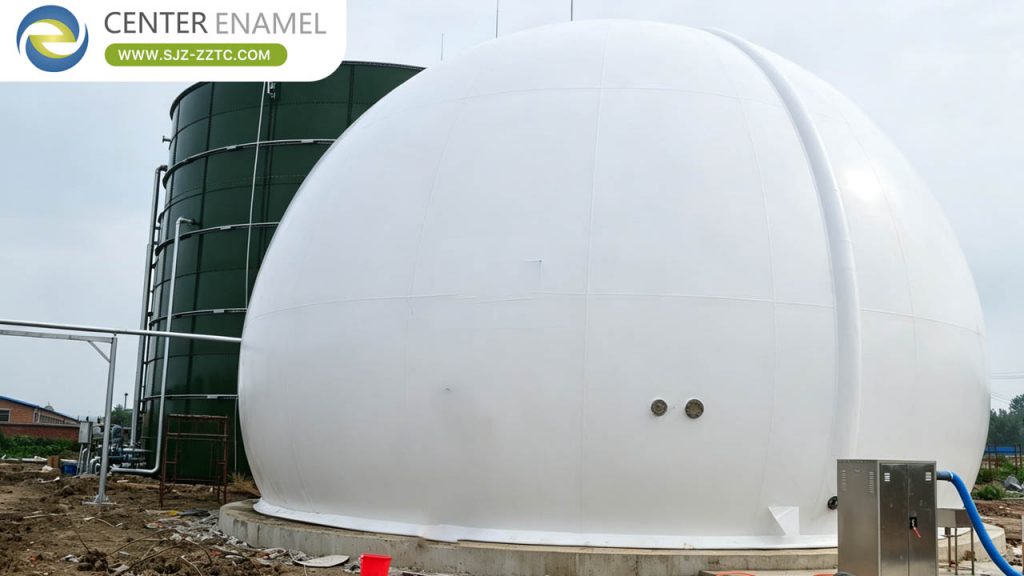
Scope: Where the Boundary Sits
An EPC contract starts where the design is already fixed and stops at mechanical completion or a performance test of individual units. A turnkey contract starts earlier—feedstock testing, concept design, permit documentation—and ends later, at guaranteed plant output with trained operators. The extra scope is not paperwork: it is the part where most first-time projects lose time and money.
Comparative Data Table: EPC vs Turnkey
| Dimension | EPC | Turnkey |
| Core scope | engineering, procurement, construction | EPC plus development, commissioning, guarantees |
| Single-point responsibility | no | yes |
| Performance guarantee | equipment level | plant level, output and availability |
| Interface risk | with owner | with supplier |
| Owner team required | experienced, in-house | light |
| Price | baseline | 10–25% higher |
| Schedule certainty | lower | higher |
| Best for | repeat owners with technical staff | first-time owners, tight schedules |
Reading the Risk Transfer Properly
The 10–25% premium buys three things: one party accountable for interfaces, a guarantee written against plant output rather than nameplate equipment, and a defined date for commercial operation backed by liquidated damages. It does not transfer feedstock risk, grid risk, or permit approval risk—those stay with the owner in both models. Check exactly which risks move before comparing prices.
Frequently Asked Questions (FAQ)
Q1: What is the difference between EPC and turnkey delivery?
A: EPC delivers engineering, procurement, and construction to a defined design, with the owner retaining development and interface risk. Turnkey adds development support, commissioning, plant-level guarantees, and training under one contract, so a single supplier is accountable for the plant performing.
Q2: Is turnkey more expensive than EPC?
A: Usually yes, by roughly 10–25% on the contract value. The premium covers single-point responsibility, plant-level guarantees, and schedule certainty. Owners with strong in-house teams often recover part of it by self-performing development and permitting under an EPC structure.
Q3: Who carries performance risk?
A: Under EPC, the owner carries it across interfaces—if the digester and the genset each meet spec but the plant underperforms, the gap is the owner’s. Under turnkey, the supplier warrants plant-level output and availability against a defined feedstock, backed by liquidated damages.
Q4: When should I choose EPC instead?
A: When you have built plants before, have in-house process and project engineering, can self-perform permitting and feedstock contracting, and want to capture the supplier margin. Also when you intend to select and negotiate each major equipment package yourself.