
What Is the Difference Between Industrial and Commercial Wastewater?
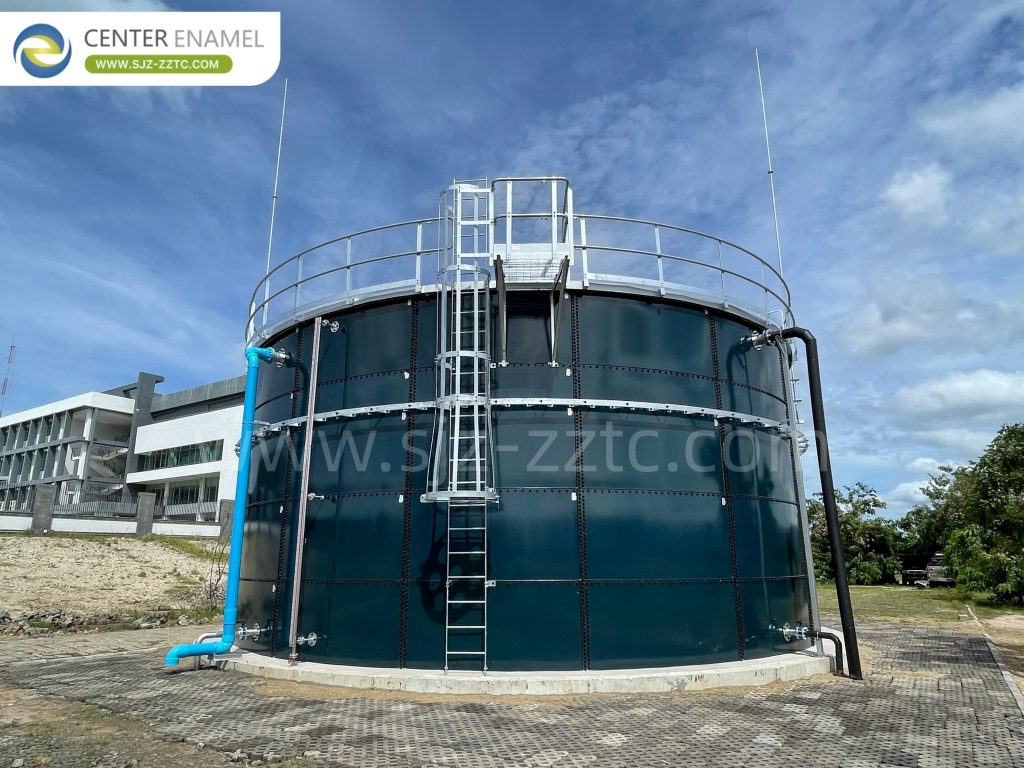
Wastewater is a broad term encompassing used water from various sources, including domestic, commercial, and industrial activities. While all wastewater requires treatment to protect public health and the environment, not all wastewater is created equal. Understanding the differences between industrial and commercial wastewater is crucial for selecting appropriate treatment technologies, ensuring regulatory compliance, and optimizing resource recovery.
Defining the Two Types
What Is Commercial Wastewater?
Commercial wastewater originates from non-domestic business activities such as retail stores, office buildings, hotels, restaurants, and shopping centers . It is primarily sanitary wastewater—similar in composition to domestic sewage—consisting of human waste, food preparation residues, and cleaning agents from routine business operations .
A municipal ordinance definition describes commercial wastewater as "domestic wastewater emanating from a place of business as distinct from industrial wastewater" . This highlights its key characteristic: commercial wastewater resembles household sewage but is generated in a business setting.
What Is Industrial Wastewater?
Industrial wastewater, by contrast, comes from manufacturing, processing, or industrial operations. It contains by-products of the industrial process and waste products generated during production . The U.S. Standard Industrial Classification (SIC) identifies industrial sources as including agriculture, mining, manufacturing, transportation, and certain service sectors .
Unlike commercial wastewater, industrial wastewater often contains toxic pollutants, heavy metals, synthetic chemicals, high organic loads, and other hazardous substances that require specialized treatment . Industries such as food processing, textiles, chemicals, pharmaceuticals, pulp and paper, and metallurgy all generate unique wastewater streams with distinct characteristics.
Key Differences Between Commercial and Industrial Wastewater
1. Composition and Strength
The most significant difference lies in wastewater composition. Commercial wastewater is relatively consistent in strength, with pollutant concentrations similar to domestic sewage . It typically contains moderate levels of organic matter (BOD), suspended solids, and nutrients.
Industrial wastewater, however, can vary greatly in composition and strength depending on production rates, process types, and the timing of specific manufacturing activities . For example, food processors produce wastes high in soluble organic components, which can cause extreme loading variations on treatment plants .
A comparison of typical wastewater characteristics from residential, commercial, and industrial sources reveals clear differences :
| Parameter | Residential | Commercial (Hotels/Restaurants) | Industrial (Laundromats) |
| TSS (mg/L) | 50–250 | 200–600 | 100–500 |
| BOD5 (mg/L) | 100–300 | 300–800 | 250–700 |
| COD (mg/L) | 250–600 | 600–1,500 | 500–1,200 |
Commercial wastewater tends to have higher pollutant concentrations than typical domestic wastewater due to business activities, while industrial wastewater can be even more variable and often contains specific industrial contaminants.
2. Regulatory Classification
Regulatory frameworks often distinguish between commercial and industrial wastewater. Commercial users typically discharge sanitary waste that receives standard treatment, while industrial users are subject to more stringent pre-treatment requirements .
Industrial wastewater may contain "toxic pollutants or poisonous solids, liquids, or gases in sufficient quantity... to injure or interfere with any sewage treatment process, or which constitutes a hazard to humans or animals" . This classification triggers additional monitoring, reporting, and treatment obligations for industrial dischargers.
3. Treatment Requirements
Commercial wastewater, being similar to domestic sewage, can often be treated using conventional municipal treatment processes without pre-treatment . This makes it easier to integrate into existing municipal sewer systems.
Industrial wastewater frequently requires pre-treatment before discharge to municipal systems or dedicated industrial treatment facilities. The treatment approach depends on the specific pollutants present—oil/water separation, chemical precipitation, advanced oxidation, or specialized biological processes may be required .
4. Variability and Complexity
Commercial wastewater is fairly consistent in composition, with variations primarily driven by business type and operating hours. Industrial wastewater can be highly variable—changing with production schedules, raw material changes, and process adjustments . This variability poses significant challenges for treatment system design and operation.
Why These Differences Matter
Understanding these distinctions is critical for several reasons:
Treatment Technology Selection: A treatment system designed for commercial wastewater may be overwhelmed by industrial effluent's high organic load or toxic components.
Regulatory Compliance: Different discharge limits and pre-treatment requirements apply to industrial versus commercial wastewater.
Cost Implications: Treatment costs vary significantly based on wastewater strength and complexity.
Resource Recovery: Industrial wastewater often contains valuable resources—such as energy-rich organic matter for biogas production—that commercial wastewater may not offer to the same extent.
Treatment Technologies for Commercial and Industrial Wastewater
For Commercial Wastewater
Commercial sewage treatment often employs:
Primary treatment for solids removal and settling
Secondary biological treatment (activated sludge, MBR, or rotating biological contactors) for organic matter and nutrient removal
Disinfection to eliminate pathogens
Many packaged treatment plants are available for commercial applications such as hotels, office buildings, and campsites .
For Industrial Wastewater
Industrial treatment is typically more complex and may include:
Physicochemical processes: Coagulation, flocculation, sedimentation, dissolved air flotation
Advanced oxidation: Ozonation, UV/H2O2, photocatalysis
Biological treatment: High-rate anaerobic digestion (UASB, IC reactors), aerobic activated sludge
Membrane technologies: Ultrafiltration, nanofiltration, reverse osmosis
Adsorption: Granular activated carbon for removing recalcitrant compounds
Food and beverage wastewater often benefits from anaerobic digestion, which produces biogas while achieving high COD removal . This dual benefit—treatment and renewable energy generation—makes it increasingly attractive for industrial applications.
Center Enamel: Comprehensive Wastewater Solutions for All Needs
Center Enamel (Shijiazhuang Zhengzhong Technology Co., Ltd) is a global leader in wastewater treatment engineering, process contracting, and equipment manufacturing. With over 35 years of experience, a 150,000㎡ R&D center, and projects spanning more than 100 countries, the company delivers turnkey EPC solutions for municipal, commercial, and industrial wastewater treatment.
Core Technologies and Equipment
Glass-Fused-to-Steel (GFS) Tanks serve as the foundation of Center Enamel's treatment infrastructure. Manufactured by fusing high-grade enamel to steel at over 820°C, these tanks offer:
Superior corrosion resistance, withstanding pH 1–14
Excellent gas-tightness for anaerobic digestion applications
Modular design for rapid installation without on-site welding
Service life exceeding 30 years with minimal maintenance
This technology is the global benchmark for anaerobic reactor containment, providing the durability needed for aggressive industrial effluents and the reliability essential for commercial applications .
Complementary Infrastructure
Center Enamel also provides:
Aluminum Geodesic Dome Roofs: Corrosion-resistant, maintenance-free covers for odor control and environmental protection
Double Membrane Roof Systems: Dynamic gas management solutions for biogas capture in anaerobic digesters
High-performance Epoxy Coated Tanks: Versatile storage solutions for equalization, digestate storage, and process water
Global Project Experience
Center Enamel's expertise spans diverse wastewater treatment applications:
Dairy Farm Wastewater: GFS tanks for high-rate anaerobic digestion systems, such as those for major dairy processing facilities
Brewing Industry: Six GFS units treating high-strength organic wastewater from beverage production
Paper Industry: Advanced bolted tanks for paper mill effluent treatment
Municipal Sewage: Integrated A2O process solutions with GFS tanks for comprehensive nutrient removal
One-Stop EPC Services
As a full-service provider, Center Enamel offers:
Engineering Design: Customized solutions based on wastewater characteristics, climate conditions, and regulatory requirements
Equipment Manufacturing: International standards compliance (ISO 9001, AWWA D103-09, NSF/ANSI 61)
Installation and Commissioning: Professional on-site teams ensuring efficient project delivery
After-Sales Support: Training, maintenance, and technical guidance
Conclusion
Understanding the differences between industrial and commercial wastewater is essential for designing effective treatment systems and ensuring regulatory compliance. While commercial wastewater resembles domestic sewage and can be treated through conventional methods, industrial wastewater presents unique challenges due to its complex composition, variability, and potential toxicity.
Center Enamel stands ready to address both commercial and industrial wastewater challenges with comprehensive, durable, and cost-effective solutions. Whether you are treating hotel sewage or high-strength industrial effluent, Center Enamel's GFS tanks, advanced anaerobic digestion technologies, and turnkey EPC services deliver reliable performance and resource recovery benefits. Partner with Center Enamel to transform your wastewater from a liability into a valuable asset.
FAQ
1. Can commercial wastewater be treated in the same plant as domestic sewage?
Yes, commercial wastewater is generally compatible with municipal treatment plants because it resembles domestic sewage in composition. However, certain commercial operations (such as auto repair shops or beauty salons) may generate wastewater containing hazardous materials that require special pre-treatment .
2. Why is industrial wastewater more difficult to treat than commercial wastewater?
Industrial wastewater varies greatly in composition and strength depending on production processes, contains toxic pollutants, heavy metals, and complex chemicals, and can change rapidly with production schedules . It often requires specialized pre-treatment technologies beyond conventional municipal treatment processes.
3. What is anaerobic digestion and how does it benefit industrial wastewater treatment?
Anaerobic digestion breaks down organic matter in the absence of oxygen, producing biogas (methane) as a renewable energy source. It is particularly valuable for high-strength organic wastewater from food processing and agriculture because it reduces sludge volume, generates renewable energy, and significantly lowers operational costs .