
What Is the Difference Between Industrial and Municipal Wastewater?
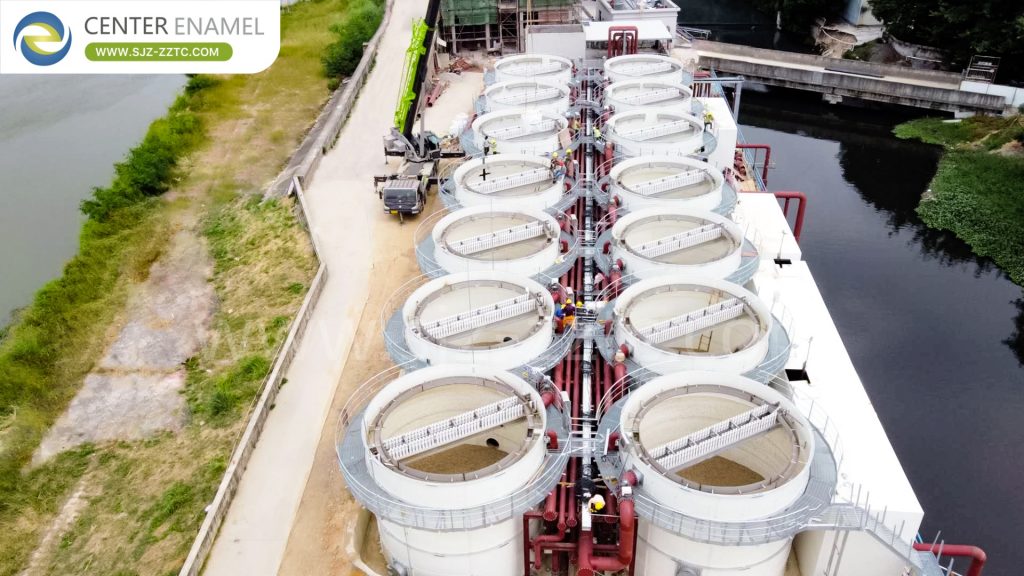
Wastewater is an unavoidable byproduct of modern life and industry, but not all wastewater is created equal. The distinction between industrial and municipal wastewater is fundamental to understanding how we manage water resources, protect the environment, and design treatment infrastructure. While both require treatment before discharge, their characteristics, treatment approaches, and regulatory frameworks differ dramatically.
Municipal wastewater—the sewage generated from households, businesses, and communities—is relatively predictable in both volume and composition. Industrial wastewater, by contrast, originates from manufacturing and production processes and varies widely depending on the industry, often containing high concentrations of toxic compounds, heavy metals, and complex chemicals that demand specialized treatment.
This comprehensive guide explores the critical differences between these two wastewater types and explains why industrial effluent requires a fundamentally different approach to treatment and infrastructure.
Defining Municipal Wastewater: Characteristics and Origins
Municipal wastewater, commonly referred to as sewage, is the effluent collected from domestic households, commercial establishments, and institutions within a community. It represents the collective discharge from daily human activities—water from toilets, sinks, showers, dishwashers, and washing machines—along with contributions from businesses and stormwater runoff in many systems.
The defining characteristic of municipal wastewater is its relative consistency. While it contains organic matter, nutrients, soaps, detergents, and pathogens, its composition remains reasonably stable over time. Typical municipal sewage has a Biochemical Oxygen Demand (BOD) concentration of around 400 ppm, representing a relatively diluted waste stream. Flow rates are also predictable based on population patterns, with daily and seasonal variations that treatment plants are designed to accommodate.
However, municipal wastewater faces challenges including stormwater fluctuations that can overwhelm treatment facilities during heavy rainfall and aging infrastructure that struggles to keep pace with population growth. In the United States, municipal treatment plants are operating at 81% of design capacity, with 15% at or exceeding capacity.
Defining Industrial Wastewater: The Challenge of Variability
Industrial wastewater is fundamentally different. Generated by manufacturing, processing, and production facilities, it is a direct byproduct of industrial operations and reflects the specific materials and processes used in each industry. Whether from food and beverage processing, textile mills, pharmaceutical manufacturing, or heavy industry, each industrial facility produces wastewater with unique characteristics.
The most significant challenge industrial wastewater presents is its extreme variability. Unlike municipal sewage, industrial effluent composition changes based on production cycles, seasonal shifts, and batch processes. The quantity and quality of wastewater can change daily, creating hydraulic and organic shock loads that conventional treatment methods struggle to handle.
Industrial wastewater also contains much higher pollutant concentrations. While municipal sewage averages 400 ppm BOD, industrial wastewater can range from 500 to an astonishing 150,000 ppm BOD. Beyond organic pollutants, industrial effluent often contains heavy metals, hazardous chemicals, solvents, dyes, extreme pH levels, and toxic compounds that municipal facilities simply cannot process.
Key Differences in Composition and Pollutant Load
The compositional differences between municipal and industrial wastewater represent the most fundamental distinction between these two waste streams. Understanding these differences is essential for designing appropriate treatment systems.
Organic Load is significantly higher in industrial wastewater. Food processing, beverage production, and pulp and paper facilities generate wastewater with BOD and Chemical Oxygen Demand (COD) levels many times higher than municipal sewage. This high organic load requires more intensive biological treatment, often necessitating anaerobic digestion before aerobic polishing can occur.
Toxic Compounds present in industrial wastewater include heavy metals (lead, mercury, chromium), synthetic dyes, solvents, pesticides, pharmaceutical residues, and complex chemicals that are toxic to microorganisms. Municipal wastewater may contain trace amounts of household chemicals but typically lacks these industrial-strength contaminants.
pH Extremes are common in industrial wastewater, particularly from textile processing, metal finishing, and chemical manufacturing. Municipal wastewater tends to remain within a neutral pH range, while industrial effluent can be highly acidic or alkaline, requiring chemical neutralization before biological treatment.
Inorganic Substances dominate some industrial waste streams. Semiconductor manufacturing produces wastewater high in inorganic compounds, completely different from the organic-rich effluent of a food processing plant. This diversity demands industry-specific treatment approaches.
Treatment Technology Differences
The distinct characteristics of municipal and industrial wastewater necessitate fundamentally different treatment approaches. While there is some overlap in technologies, the scale, configuration, and intensity of treatment differ significantly.
Municipal wastewater treatment primarily relies on aerobic biological processes designed for relatively dilute, consistent waste streams. Activated sludge systems, trickling filters, and membrane bioreactors (MBRs) are common technologies. These systems are optimized for treating organic matter and nutrients (nitrogen and phosphorus) at large scales, serving populations ranging from thousands to millions.
The operational focus in municipal treatment is on achieving consistent effluent quality, managing large volumes (often including stormwater), and cost-effective sludge disposal. Energy consumption is significant, particularly for aeration, but the treatment train is relatively standardized across facilities.
Industrial wastewater treatment requires a more complex, multi-stage approach. Because industrial effluent is stronger, more variable, and contains toxic compounds, treatment often begins with extensive physical-chemical pretreatment to remove solids, neutralize pH, and precipitate metals before biological treatment can proceed.
Anaerobic digestion plays a much larger role in industrial treatment, particularly for high-strength organic wastewater with BOD levels exceeding 10,000 to 15,000 ppm. This process not only breaks down pollutants but also generates biogas that can be captured for energy recovery, making it more cost-effective for high-load waste streams.
Advanced treatment technologies—including chemical oxidation, ion exchange, and membrane filtration—are more commonly required in industrial settings to remove specific contaminants that resist biological degradation.
Regulatory Framework and Compliance
The regulatory landscape for municipal and industrial wastewater reflects their different environmental risks. Municipal treatment plants operate under permits that specify discharge limits for conventional pollutants such as BOD, suspended solids, and nutrients. While compliance is essential, the framework is relatively standardized and well-established.
Industrial facilities face a more complex regulatory burden. Discharge permits specify limits for a wide range of pollutants, including heavy metals, specific organic compounds, and other process-related contaminants. Many industries must pretreat wastewater before discharge to municipal sewers, meeting local limits designed to protect treatment plant operations and receiving water quality.
Compliance for industrial facilities is also more challenging due to the variability of their waste streams. Sudden changes in production can cause permit violations, and the specialized treatment required is often outside the core expertise of manufacturing companies. This complexity drives many industries to seek specialized treatment solutions or engage EPC contractors with wastewater expertise.
Infrastructure Requirements: GFS Tanks in Wastewater Treatment
The demanding nature of wastewater treatment—whether municipal or industrial—requires infrastructure that can withstand aggressive conditions while providing reliable, long-term performance. Glass-Fused-to-Steel (GFS) tanks have emerged as the preferred solution for treatment facilities worldwide.
GFS technology fuses high-tech glass enamel to specialized steel at temperatures exceeding 820°C, creating a molecular bond that combines the structural strength of steel with the chemical inertness of glass. This fusion creates an impermeable barrier that is virtually immune to corrosion from organic acids, hydrogen sulfide, and aggressive chemicals found in wastewater.
Superior Corrosion Resistance makes GFS tanks ideal for the demanding environments of both municipal and industrial treatment. The glass surface resists pH levels ranging from 1 to 14, ensuring that aggressive industrial effluent or the corrosive byproducts of biological treatment do not compromise tank integrity.
Modular Construction offers significant advantages over traditional concrete tanks. GFS tanks are prefabricated and assembled on-site using bolted construction, dramatically reducing installation time—often by fifty percent compared to cast-in-place concrete. This modular design also allows for capacity expansion as treatment needs grow and enables relocation if facility requirements change.
Low Maintenance Requirements reduce lifecycle costs. The non-porous glass surface prevents biofilm formation and scale buildup, maintaining treatment efficiency while reducing cleaning needs. Unlike steel tanks that require regular painting and recoating, GFS tanks maintain their protective coating for decades with minimal intervention.
Versatility across treatment applications makes GFS tanks the standard choice for equalization basins, clarifiers, aeration tanks, anaerobic digesters, and sludge storage. Their gas-tight construction is particularly valuable for anaerobic digestion and biogas capture applications where gas containment is essential.
Center Enamel: One-Stop Solutions for Wastewater Treatment Projects
As a global leader in engineered storage and containment solutions, Center Enamel (Shijiazhuang Zhengzhong Technology Co., Ltd) delivers comprehensive, turnkey solutions for municipal and industrial wastewater treatment projects worldwide.
With over 30 years of innovation and more than 200 patented enamel formulas, Center Enamel combines material science expertise with full engineering, procurement, and construction (EPC) capabilities. Our proprietary Glass-Fused-to-Steel technology provides the corrosion-resistant infrastructure essential for reliable wastewater treatment, backed by certifications meeting AWWA D103-09, ISO 28765, and NSF/ANSI 61 standards.
Our complete solution portfolio includes:
Glass-Fused-to-Steel (GFS) Tanks as the core reactor vessels for anaerobic digestion, equalization, clarification, and sludge storage. The chemically inert glass surface handles the full pH range and resists aggressive chemical environments.
Epoxy Coated Tanks for auxiliary applications including chemical storage and treated water containment, providing cost-effective durability for non-critical stages.
Double Membrane Roof Systems for gas capture and odor control on anaerobic digesters, enabling biogas recovery for energy generation.
Aluminum Dome Roofs for environmental protection and VOC containment on storage tanks and process basins.
Center Enamel's track record includes successful projects across more than one hundred countries, from beverage wastewater treatment in Thailand and Indonesia to complex industrial applications in China and beyond. Our integrated approach ensures that every project—whether municipal sewage treatment or high-strength industrial effluent management—achieves reliable performance, regulatory compliance, and long-term value.
Frequently Asked Questions
1. Can industrial wastewater be treated at municipal facilities?
Municipal treatment plants are generally not designed to handle the high pollutant concentrations, toxic compounds, and variability of industrial wastewater. While some industrial facilities discharge pretreated effluent to municipal sewers, many industrial streams require specialized on-site treatment before they can be accepted by municipal systems. Discharging untreated or inadequately pretreated industrial wastewater can overwhelm municipal treatment processes, causing permit violations and environmental damage.
2. Why is BOD concentration important in distinguishing wastewater types?
Biochemical Oxygen Demand (BOD) measures the amount of oxygen required by microorganisms to break down organic matter in wastewater. Municipal sewage typically has BOD around 400 ppm, while industrial wastewater can range from 500 to 150,000 ppm. Higher BOD concentrations require more intensive treatment and often necessitate anaerobic digestion—a process that generates biogas—to effectively stabilize the waste stream before discharge or aerobic treatment.
3. What makes GFS tanks suitable for both municipal and industrial wastewater treatment?
Glass-Fused-to-Steel (GFS) tanks offer corrosion resistance across the full pH range (1-14), making them suitable for everything from neutral municipal sewage to aggressive industrial effluent. Their modular construction enables rapid installation and future expansion, while the smooth glass surface prevents biofilm buildup and reduces maintenance requirements. Combined with gas-tight construction for anaerobic applications and compliance with international standards, GFS tanks provide the versatility and reliability that both municipal and industrial treatment facilities require.