
What is the First Step in Processing Wastewater?
Water is the lifeblood of modern industry, powering everything from chemical synthesis and textile manufacturing to food processing and energy production. However, every industrial operation that utilizes water eventually generates complex effluent streams. Managing these effluents safely and sustainably is one of the most pressing challenges facing global plant operators today.
When designing or operating an industrial effluent treatment plant, a common and crucial question arises: What is the first step in processing wastewater? While many assume treatment begins with advanced biological digestion or chemical neutralization, the journey actually starts with rigorous pre-treatment and equalization. This article explores the initial stages of wastewater treatment, details core industrial processes and equipment, and highlights how Center Enamel delivers advanced, one-stop turnkey solutions for global clients.
Defining the First Step: Pre-Treatment and Screening
Before industrial effluent can undergo complex biological or chemical treatment, it must pass through the initial gateway of pre-treatment and physical screening.
Removing Gross Solids: Raw wastewater often carries large debris, plastics, rags, paper, and suspended objects that can clog piping, jam pumps, and damage downstream mechanical equipment.
Mechanical Screening: Bar screens, drum screens, and fine perforations physically capture and remove these large foreign objects from the fluid stream.
Flow Protection: Establishing this first barrier safeguards the entire subsequent treatment train, ensuring that pumps, valves, and biological reactors operate smoothly without physical obstruction or premature wear.
Flow Equalization: Smoothing Out Variability and Shock Loads
Following initial screening, the next critical component of the primary stage is flow equalization. Industrial processes rarely discharge wastewater at a constant rate or concentration; instead, shifts in production cycles create severe fluctuations.
Buffering Hydraulic Surges: Equalization basins act as large holding reservoirs that catch peak flows and meter the wastewater into downstream units at a steady, manageable rate.
Mitigating Chemical Shock Loads: By mixing varying batches of effluent together, equalization neutralizes extreme spikes in pH, temperature, and chemical oxygen demand (COD), protecting sensitive biological cultures from toxic shock.
Optimizing Efficiency: A steady inflow allows downstream chemical dosing and aeration systems to operate at peak energy efficiency, reducing overall operational expenditures.
Physical-Chemical Separation: Coagulation, Flocculation, and Sedimentation
Once flow and composition are stabilized, wastewater often enters the primary physical-chemical separation phase to target suspended particles and heavy contaminants.
Coagulation and Flocculation: Operators introduce specific chemical coagulants and polymers to destabilize colloidal suspensions, causing microscopic particles to agglomerate into larger, heavier clumps (flocs).
Gravity Sedimentation: These flocs settle to the bottom of primary clarification tanks as sludge, while clarified water overflows from the top for secondary treatment.
Oil-Water Separation: For industries such as petrochemicals and food processing, specialized skimming and dissolved air flotation (DAF) units remove floating fats, oils, and greases (FOG) at this early stage.
Secondary Treatment: Biological Processes and Reactor Technologies
With gross solids, free oils, and heavy suspended matter removed, the wastewater is ready for secondary treatment, where dissolved organic pollutants are eliminated.
Aerobic and Anaerobic Digestion: Microorganisms consume dissolved organic carbon, converting biological oxygen demand (BOD) and chemical oxygen demand (COD) into harmless byproducts like carbon dioxide, water, and methane.
Advanced Reactor Systems: High-efficiency biological systems such as Upflow Anaerobic Sludge Blanket (UASB) reactors, Internal Circulation (IC) reactors, and advanced activated sludge basins handle high-strength industrial loads effectively.
Nutrient Control: Biological stages also facilitate the removal of nitrogen and phosphorus compounds, preventing eutrophication in receiving natural water bodies.
Tertiary Treatment and Polishing for Discharge or Reuse
To meet increasingly stringent global environmental regulations or to achieve zero liquid discharge (ZLD), secondary effluent undergoes tertiary polishing.
Advanced Filtration: Sand filters, multimedia filters, and membrane bioreactors (MBR) capture microscopic residual suspended solids.
Desalination and Ion Exchange: Specialized membrane technologies like reverse osmosis (RO) remove dissolved salts, heavy metals, and persistent trace chemicals.
Disinfection: Ultraviolet (UV) irradiation or ozonation inactivates remaining pathogens, rendering the treated water clean enough for agricultural irrigation, industrial recycling, or safe environmental discharge.
Key Engineering Challenges in Industrial Wastewater Infrastructure
Designing and scaling an industrial wastewater treatment plant presents significant engineering hurdles for facility managers:
Severe Chemical Corrosion: Aggressive industrial effluents, acids, alkalis, and high salinity rapidly degrade standard steel and concrete containment structures, leading to leaks and structural failure.
Footprint Limitations: Many existing manufacturing facilities operate in confined spaces, demanding compact, high-efficiency equipment layouts.
Variable Production Demands: Plant expansions or shifts in product lines require flexible, modular infrastructure that can scale easily.
High Lifecycle Maintenance Costs: Equipment downtime and frequent structural repairs can cripple plant profitability without durable hardware.
Center Enamel: Advanced One-Stop Wastewater Solutions for Global Clients
To overcome these engineering challenges and ensure reliable operation from the very first step of treatment, industrial facilities worldwide rely on Center Enamel. As a global industry leader, Center Enamel provides comprehensive, advanced wastewater treatment solutions tailored for diverse sectors.
Comprehensive Turnkey Capabilities
Center Enamel delivers a seamless integration of superior containment equipment and sophisticated process engineering:
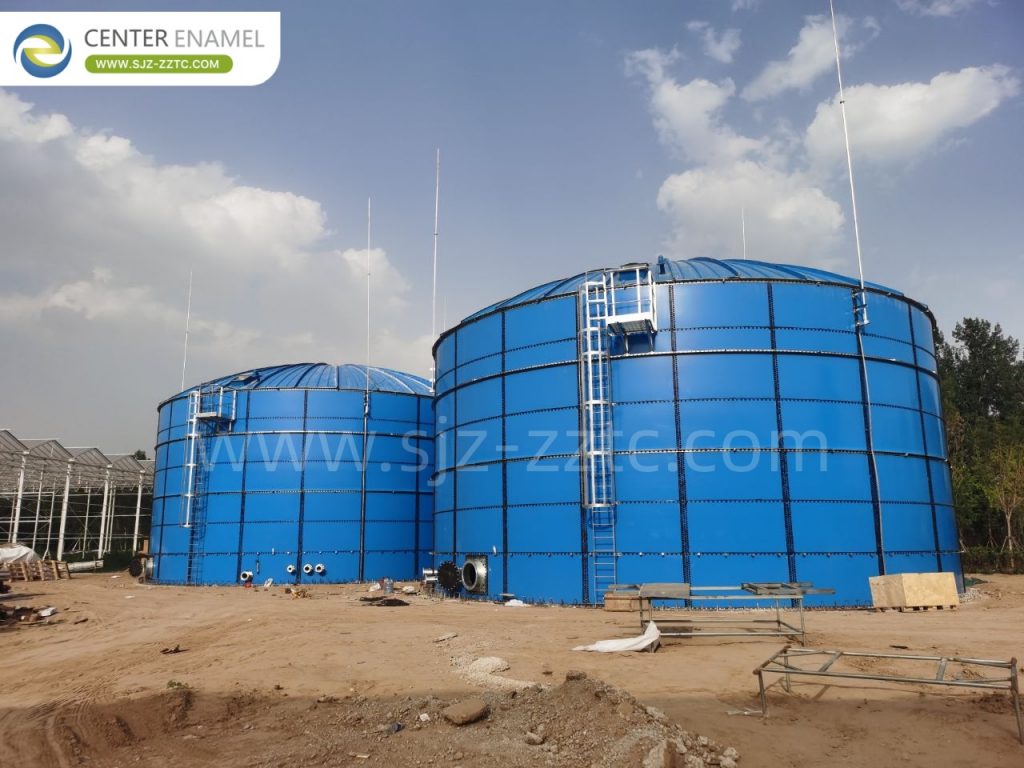
Glass-Fused-to-Steel (GFS) Tanks: Engineered by fusing premium glass at high temperatures to high-strength steel, providing exceptional corrosion resistance, superior durability, and rapid field installation. Ideal for use as equalization basins, primary clarifiers, and anaerobic/aerobic digestion reactors.
Bolstered Steel Tanks & Enclosures: Delivering robust structural integrity and weather resistance for demanding industrial environments globally.
Customized Treatment Process Integration: Combining advanced biological systems, physical-chemical units, and polishing technologies customized to specific industrial effluent profiles.
By empowering global clients with turnkey solutions-from initial water analysis and engineering design to equipment manufacturing, installation, and commissioning-Center Enamel ensures optimal environmental performance, lower lifecycle costs, and long-term operational sustainability.
Frequently Asked Questions (FAQs)
Q1: Why is flow equalization considered such a critical first step in wastewater treatment?
A: Flow equalization buffers sudden surges in hydraulic volume and dampens extreme fluctuations in pollutant concentration, pH, and temperature. This prevents shock loads from disrupting biological treatment cultures and ensures that downstream equipment operates at stable, optimal efficiency.
Q2: Why are Glass-Fused-to-Steel (GFS) tanks ideal for industrial wastewater treatment plants?
A: Glass-Fused-to-Steel tanks combine the high tensile strength of steel with the chemical inertness and superior corrosion resistance of glass. They withstand aggressive industrial chemicals, resist scratching and fading, require minimal maintenance, allow rapid construction, and offer a long operational lifespan, making them perfect for holding corrosive process wastewater.
Q3: How does Center Enamel support global clients with turnkey wastewater projects?
A: Center Enamel provides an end-to-end one-stop solution that encompasses custom engineering design, advanced wastewater treatment process integration, and world-class equipment manufacturing (including GFS tanks, bolted steel tanks, and treatment apparatus). This ensures seamless compatibility between equipment and process, guaranteeing regulatory compliance and cost-effective operation for industrial plants worldwide.