
What Is the Major Difference Between Municipal and Industrial Waste? A Complete Guide
Every day, households, businesses, and factories generate enormous quantities of waste. Some of it goes into the bin outside your home; some of it flows down the drain; and some of it is produced in industrial processes that most people never see. Understanding the difference between municipal waste and industrial waste is essential for policymakers, engineers, business owners, and anyone concerned with environmental protection.
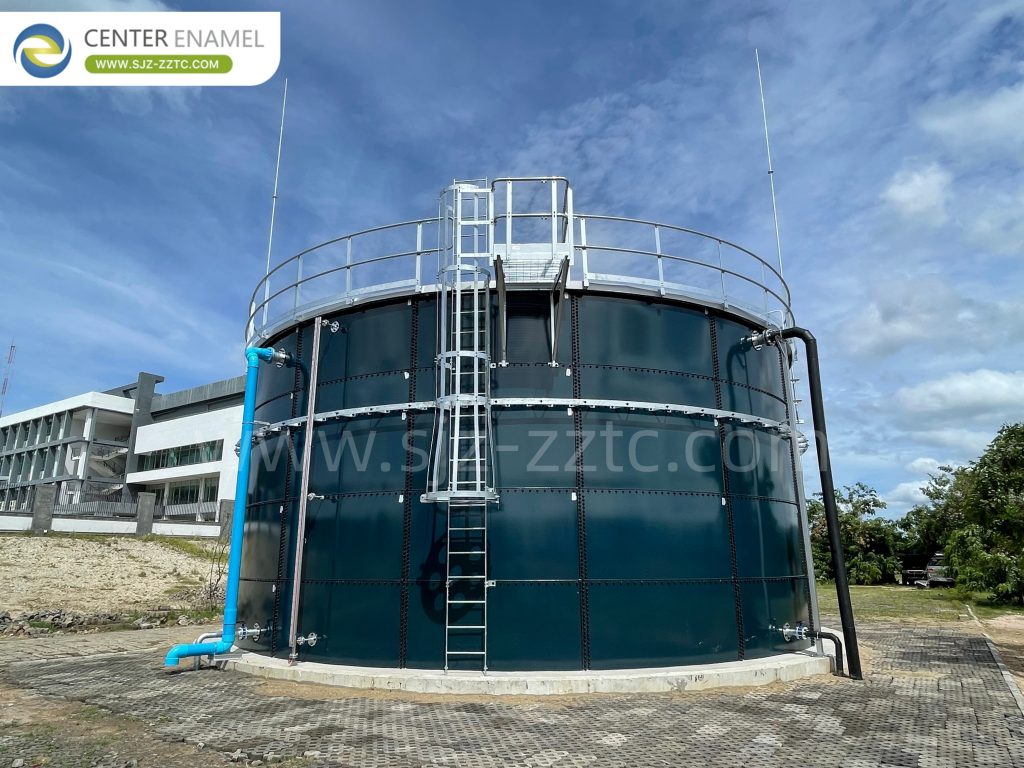
The major difference between municipal and industrial waste comes down to source, composition, and regulation. Municipal waste comes from homes, offices, and public spaces, and is relatively uniform in nature. Industrial waste comes from manufacturing, mining, energy production, and other industrial activities, and varies enormously depending on the process that generated it. This difference shapes everything from how the waste is collected to how it must be treated, stored, and disposed of.
This article explores the definitions, key differences, treatment methods, and regulatory frameworks for both types of waste.
What Is Municipal Waste?
Municipal waste-often called municipal solid waste (MSW) when referring to solid materials-is the waste generated by households, commercial establishments, institutions, and public spaces within a community. It is the waste that municipalities are responsible for collecting and managing.
Municipal waste includes:
Household waste: Food scraps, packaging, paper, plastics, glass, metals, textiles, and yard trimmings
Commercial waste: Waste from offices, restaurants, retail stores, and hotels
Institutional waste: Waste from schools, hospitals (non-hazardous portions), and government buildings
Street sweepings and public bin waste: Litter, leaves, and debris collected from public areas
In many contexts, "municipal waste" also includes municipal wastewater-the liquid waste collected by a community's sewer system and treated at a municipal wastewater treatment plant. For the purposes of this article, we will focus primarily on solid and liquid waste streams in both categories, with particular attention to wastewater treatment as a point of comparison.
The defining characteristic of municipal waste is that it is generated by the general public in the course of daily life. It is typically non-hazardous, relatively predictable in composition, and managed through public or contracted collection services.
What Is Industrial Waste?
Industrial waste is the waste produced by industrial activities-manufacturing, mining, energy generation, construction, and chemical processing. Unlike municipal waste, industrial waste is highly variable in composition and often contains materials that are hazardous, toxic, or difficult to treat.
Industrial waste includes:
Manufacturing waste: Scrap metal, solvents, acids, dyes, plastics, and packaging
Chemical waste: Byproducts from chemical synthesis, including toxic and reactive substances
Mining and quarrying waste: Tailings, slag, and rock debris
Energy production waste: Fly ash, bottom ash, and flue-gas desulfurization residues
Construction and demolition waste: Concrete, wood, drywall, and asphalt
Industrial wastewater: Process water contaminated with heavy metals, oils, organic chemicals, and other pollutants
The defining characteristic of industrial waste is that it is generated by a specific process with known inputs and outputs. This means industrial waste can be characterized more precisely than municipal waste-but it also means it can contain pollutants at concentrations far higher than anything found in household waste.
The Major Differences: Source, Composition, and Regulation
The differences between municipal and industrial waste can be grouped into three broad categories: source, composition, and regulatory framework.
Source
Municipal waste comes from dispersed, numerous, and small-scale generators-millions of households and businesses. Industrial waste comes from concentrated, fewer, and large-scale generators-factories, mines, and power plants.
Composition
Municipal waste is relatively uniform and predictable. The mix of paper, food waste, plastics, and glass varies by season and region, but it is generally consistent. Industrial waste is highly variable and process-specific. A semiconductor factory produces very different waste from a slaughterhouse or a copper smelter.
Regulation
Municipal waste is regulated primarily at the local and municipal level, with oversight from national environmental agencies. Industrial waste is regulated at the national and sometimes international level, with stricter requirements for handling, transport, treatment, and disposal. Industrial waste is also more likely to be classified as hazardous waste, triggering additional requirements.
Table 1: Municipal vs. Industrial Waste - Key Differences
| Feature | Municipal Waste | Industrial Waste |
| Source | Households, businesses, institutions | Factories, mines, power plants |
| Number of generators | Millions (dispersed) | Fewer (concentrated) |
| Composition | Relatively uniform, predictable | Highly variable, process-specific |
| Hazardous content | Generally low | Often high; may be classified hazardous |
| Regulation level | Local/municipal + national | National + international |
| Collection | Public or contracted collection | On-site management and specialized transport |
| Treatment responsibility | Municipality | Waste generator |
| Typical examples | Food scraps, paper, plastics, yard waste | Solvents, acids, heavy metals, ash, tailings |
Treatment Methods Compared: Municipal Waste
Municipal waste treatment depends on whether the waste is solid or liquid.
Municipal Solid Waste Treatment
Municipal solid waste is managed through a hierarchy of methods:
Recycling and composting: Materials such as paper, glass, metals, and plastics are sorted and reprocessed. Organic waste is composted or anaerobically digested to produce biogas and soil amendments.
Incineration (waste-to-energy): Combustion reduces waste volume by up to 90% and can generate electricity and heat. Modern facilities use advanced pollution control to limit emissions.
Landfilling: The most common disposal method worldwide. Engineered landfills include liners, leachate collection, and gas capture systems to prevent groundwater contamination and methane release.
Municipal Wastewater Treatment
Municipal wastewater undergoes a sequence of treatment stages:
Preliminary treatment: Screening and grit removal to protect equipment.
Primary treatment: Sedimentation to remove settleable solids.
Secondary treatment: Biological processes (activated sludge, trickling filters) to remove dissolved organic matter.
Tertiary treatment: Nutrient removal, filtration, and disinfection for higher-quality effluent.
Municipal treatment systems are designed for large volumes of relatively dilute, non-hazardous waste. They rely on biological processes that are effective for organic matter but not for toxic or recalcitrant compounds.
Treatment Methods Compared: Industrial Waste
Industrial waste treatment is far more varied because industrial waste itself is far more varied. The treatment approach depends on the specific pollutants present.
Industrial Solid Waste Treatment
Segregation and characterization: Industrial waste is sorted by type and tested to determine its hazardous properties. This step is critical because mixing incompatible wastes can create dangerous reactions.
Recycling and recovery: Many industrial wastes contain valuable materials-metals, solvents, acids-that can be recovered and reused. This is often economically advantageous as well as environmentally beneficial.
Physical/chemical treatment: Methods such as neutralization, precipitation, oxidation, and stabilization are used to render waste less hazardous before disposal.
Thermal treatment: High-temperature incineration, pyrolysis, and gasification are used for hazardous organic wastes that cannot be landfilled.
Secure landfilling: Hazardous waste landfills are engineered with multiple liners, leachate collection, and monitoring systems to contain toxic materials indefinitely.
Industrial Wastewater Treatment
Industrial wastewater treatment is typically more complex than municipal treatment and often includes:
Pretreatment: Removal of gross pollutants, oil and grease, and equalization of flow and composition.
Chemical treatment: Coagulation, flocculation, precipitation, and neutralization to remove heavy metals and suspended solids.
Biological treatment: Activated sludge or specialized bioreactors for organic pollutants-though many industrial wastewaters are too toxic for conventional biological treatment.
Advanced treatment: Membrane filtration (reverse osmosis, ultrafiltration), activated carbon adsorption, ion exchange, and advanced oxidation processes (AOPs) for recalcitrant pollutants.
Discharge or reuse: Treated industrial wastewater may be discharged to a municipal sewer (with pretreatment), discharged to surface water, or reused within the facility.
A key distinction is that industrial waste generators are responsible for treating their own waste, whereas municipal waste is managed collectively by the community.
Table 2: Treatment Methods - Municipal vs. Industrial
| Treatment Aspect | Municipal Waste | Industrial Waste |
| Solid waste | Recycling, composting, incineration, landfill | Segregation, recovery, chemical treatment, hazardous landfill, thermal treatment |
| Wastewater | Preliminary, primary, secondary, tertiary | Pretreatment, chemical, biological, advanced (membranes, AOPs) |
| Biological treatment | Widely used and effective | Often ineffective due to toxicity |
| Hazardous waste handling | Rare | Common; requires special protocols |
| Treatment responsibility | Municipality | Waste generator |
| Typical goal | Protect public health and environment | Comply with permits; often recover resources |
Why the Difference Matters
The distinction between municipal and industrial waste has practical consequences in several areas.
Regulatory Compliance. Industrial waste is subject to stricter and more complex regulations than municipal waste. Factories must often obtain permits, conduct waste characterization studies, and demonstrate compliance with discharge limits. Municipalities operate under different permitting frameworks.
Treatment Costs. Industrial waste treatment is generally more expensive per unit of waste because it requires specialized equipment, chemicals, and expertise. Municipal treatment benefits from economies of scale and simpler, more predictable waste streams.
Public Health Risk. Industrial waste often poses greater acute and chronic health risks due to toxic and hazardous constituents. Proper handling is critical to protect workers, communities, and ecosystems.
Environmental Impact. Both types of waste can harm the environment if mismanaged, but industrial waste has a higher potential for severe contamination-heavy metals, persistent organic pollutants, and radioactive materials are primarily industrial concerns.
The Blurred Line: When Municipal and Industrial Waste Mix
In practice, the boundary between municipal and industrial waste is not always sharp. Many municipalities accept pretreated industrial wastewater into their sewer systems. This practice, known as indirect discharge, allows industries to avoid building their own treatment plants-but it places a burden on municipal treatment facilities.
To manage this, municipalities operate industrial pretreatment programs. Industries must treat their wastewater to remove pollutants that would harm the municipal system-such as heavy metals, toxic organics, and high-strength organic loads-before discharging. The municipality then treats the combined flow.
Similarly, some industrial facilities generate waste that resembles municipal waste-office paper, food scraps, packaging-which may be managed through municipal collection services.
FAQ
What is the major difference between municipal and industrial waste?
The major difference is source and composition. Municipal waste comes from households, businesses, and institutions and is relatively uniform and non-hazardous. Industrial waste comes from manufacturing, mining, and energy production and is highly variable, often containing hazardous or toxic substances. This difference drives stricter regulation, more complex treatment, and greater responsibility for industrial waste generators.
Can industrial waste be treated at municipal facilities?
Sometimes, but only after pretreatment. Many municipalities accept industrial wastewater into their sewer systems if the industry removes pollutants that would damage the municipal treatment plant or contaminate its biosolids. Industrial solid waste, however, is generally not accepted at municipal landfills unless it is non-hazardous and meets acceptance criteria.
Why is industrial waste treatment more complex than municipal waste treatment?
Industrial waste treatment is more complex because industrial waste streams are highly variable, often contain toxic or hazardous substances, and may require specialized chemical, physical, or thermal processes that municipal treatment plants are not designed to handle. Municipal waste, by contrast, is relatively uniform and can be treated effectively with standard biological and physical processes.