
Moving Bed Biofilm Reactor (MBBR): A Complete Guide to Wastewater Treatment
The Moving Bed Biofilm Reactor (MBBR) is a highly effective biological wastewater treatment technology. It was developed in Norway in the late 1980s and early 1990s to combine the best features of traditional activated sludge processes and biofilter systems while avoiding their disadvantages . Today, the MBBR method is a global success, with hundreds of large-scale wastewater treatment plants and thousands of smaller units operating worldwide .
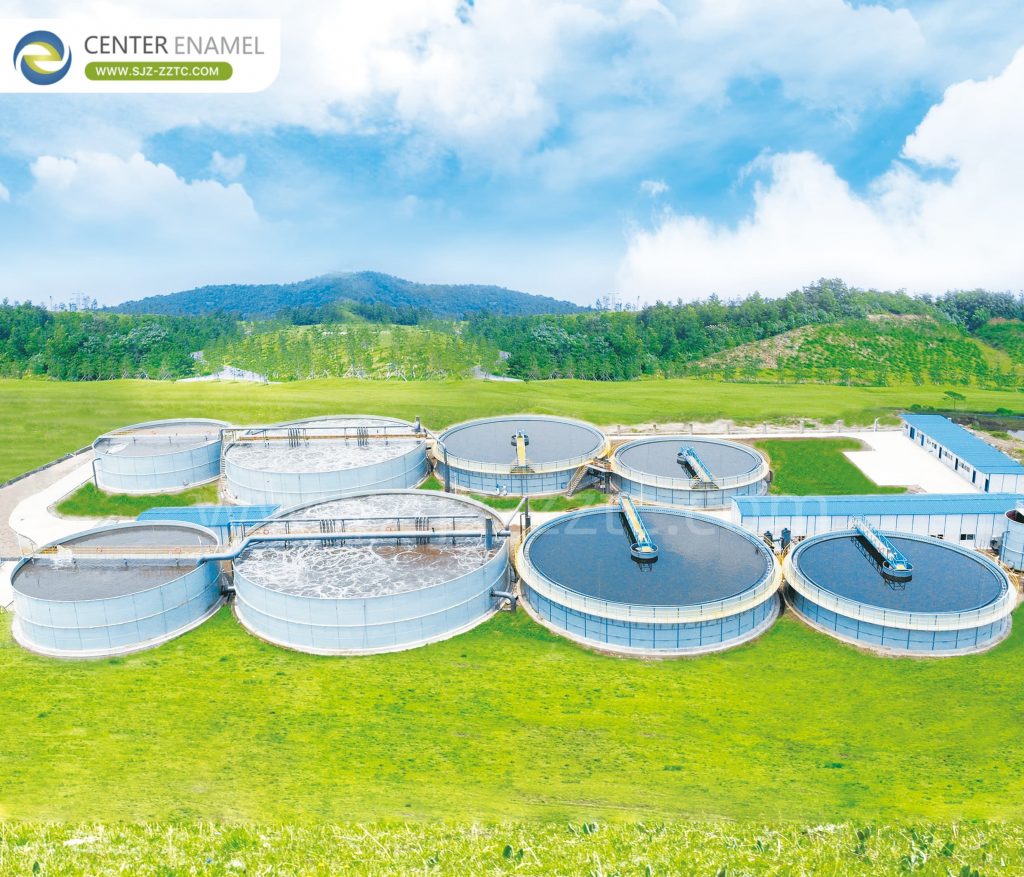
The core principle of the MBBR method is elegant in its simplicity: it uses thousands of small plastic carriers that move freely within a reactor tank. These carriers provide a protected surface area for microorganisms to grow and form a biofilm. As wastewater flows through the tank, the microorganisms on these carriers consume organic pollutants and nutrients, effectively cleaning the water . This method is used for treating municipal wastewater, industrial effluents, and even water in fish farms .
Key Components of an MBBR System
To understand how the MBBR method works, it is helpful to first look at its main components. Each part plays a specific role in ensuring effective and reliable wastewater treatment.
Reactor Basin (Aeration Tank): This is the tank where the treatment process takes place. The size and design of the basin are determined by the specific wastewater treatment needs and desired hydraulic retention time (HRT) .
Biofilm Carriers (Media): The tank is filled with thousands of small plastic chips, often made of high-density polyethylene (HDPE). Their design is crucial, as they maximize the surface area available for biofilm growth. Many carriers have shapes resembling small wheels to increase this surface area . The filling ratio of carriers in the tank can range from 40% to 70% .
Aeration Grid: Located at the bottom of the reactor, this system introduces air (oxygen) into the tank. The rising air bubbles serve two critical functions: they supply oxygen for the microorganisms and create a mixing action that keeps the carriers moving throughout the tank .
Retention Sieve: This is a mesh screen attached to the reactor's outlet. Its purpose is to allow treated water to flow out while keeping the plastic carriers inside the tank .
How the MBBR Process Works: A Step-by-Step Explanation
The MBBR process is a continuous and dynamic system. Here is a breakdown of how it works:
Influent Entry and Contact: Wastewater enters the aeration tank, which is already filled with the plastic carriers. The carriers are designed to have a density similar to water, allowing them to mix thoroughly with the incoming wastewater .
Biofilm Formation and Activity: The key to the MBBR method is the biofilm. Microorganisms present in the wastewater attach to the protected surfaces of the plastic carriers and grow, forming a biological layer called biofilm . The aeration grid continuously provides oxygen, supporting the growth and metabolic activity of these microorganisms .
Biodegradation: The microorganisms in the biofilm consume the organic pollutants and nutrients in the water as their food source. This is the core purification step. For instance, heterotrophic bacteria break down organic matter (measured as BOD and COD), while autotrophic bacteria perform nitrification, converting ammonia to nitrate .
Effluent Separation: After a specific Hydraulic Retention Time (HRT), the treated water flows towards the reactor outlet. The retention sieve allows the clean water to pass through while trapping the carriers inside the tank for continued use . The treated effluent is then ready for further treatment or discharge.
The Crucial Role of MBBR Carriers
The biofilm carriers are the heart of the MBBR system, making them the most critical component. Their physical and chemical properties directly impact the system's performance .
The carriers provide a large protected surface area that encourages biofilm growth while shielding it from shear forces caused by mixing . The material of construction is important; while HDPE is common, polyurethane (PU) foam carriers have shown excellent performance, achieving high removal rates for COD and ammonia due to their porous structure and ability to support a diverse, specialized microbial community . Recent research also focuses on modifying carriers to improve biofilm formation. For example, surface modifications with materials like PANI-Fe3O4 can create a more active interface that promotes faster and more resilient biofilm development, enhancing overall reactor stability .
Different carriers have varying properties, which are summarized in the table below :
| Carrier Type | Material | Surface Area (m²/m³) | Typical Filling Ratio |
| Kaldnes K1/K3 | HDPE | ~500 | 40-70% |
| Round Carriers | HDPE | ~400 | 10% |
| Square Carriers | PU | ~500 | 20% |
| PVA Gel Beads | PVA | High | Variable |
MBBR vs. Activated Sludge: A Comparative Analysis
Compared to the conventional activated sludge process, MBBR offers several significant advantages. A comparative study of a high-concentration sewage treatment plant found that the biofilm system (MBBR) had a nitrogen removal capacity 1.52 to 2.73 times higher than the activated sludge system .
The table below highlights the key differences between the two systems .
| Feature | MBBR System | Activated Sludge System |
| Footprint | Smaller; more compact | Larger; requires more space |
| Biomass Concentration | High; microbes grow on carriers | Lower; microbes are suspended in mixed liquor |
| Sludge Management | Lower sludge production; no sludge return needed | Higher sludge production; requires sludge recycling |
| Shock Load Resistance | High; biofilm is resilient | Lower; more susceptible to upsets |
| Nitrification Efficiency | Higher due to longer solids retention time | Lower, more dependent on sludge age |
| Footprint (Biochemical Section) | 35.08% of activated sludge system's footprint | Reference point |
Key Design Parameters Influencing Performance
The performance of an MBBR system is governed by several key design and operational parameters.
Hydraulic Retention Time (HRT): This is the average time the wastewater spends in the reactor. It is a critical factor for treatment efficiency. Studies show that a higher HRT generally leads to better removal of pollutants. For instance, an HRT of 4 hours achieved an 89.86% removal of phosphate and 86.40% removal of ammonia in one study .
Organic Loading Rate (OLR): This refers to the amount of organic matter applied to the reactor volume per unit of time. It must be carefully balanced to prevent overloading the biofilm .
Carrier Filling Ratio: The percentage of the reactor volume occupied by the carriers directly affects the total surface area available for biofilm growth. A typical filling ratio is around 40-70% .
Aeration and Mixing: Aeration must be sufficient to provide enough oxygen for the microorganisms and to keep the carriers moving uniformly. Inadequate mixing can lead to dead zones where carriers accumulate and treatment efficiency drops . Some modern designs also incorporate mechanical mixers to ensure uniform distribution, especially for denitrification processes .
Reactor Hydrodynamics: Factors like velocity gradient and mixing conditions are crucial for preventing issues like carrier stagnation and biofilm sloughing. Innovative designs now focus on creating a controlled vortex to improve media distribution and overall efficiency .
Applications and Advantages of the MBBR Method
The MBBR method is valued for its versatility and robustness, making it suitable for a wide range of applications.
Municipal Wastewater Treatment: MBBR is widely used in large-scale municipal plants to effectively remove organic matter and nutrients like nitrogen and phosphorus .
Industrial Wastewater: It is also highly effective for treating various industrial wastewaters, including those with low COD/BOD ratios. Hybrid systems like MLE-MBBR and SBR-MBBR have shown great promise for efficient carbon, nitrogen, and phosphorus removal from complex industrial streams .
Aquaculture and Fish Farming: The technology is successfully applied in recirculating aquaculture systems to remove toxic ammonia and nitrite from the water, ensuring a healthy environment for fish .
The key advantages of MBBR include its compact footprint, high treatment efficiency, resistance to shock loads, lower sludge production, and ease of operation compared to other biological systems .
Conclusion
The Moving Bed Biofilm Reactor (MBBR) is a mature and highly effective biological wastewater treatment technology. By utilizing freely moving plastic carriers to support a high-density, active biofilm, it provides a robust and efficient solution for removing organic pollutants and nutrients. Its compact design, operational simplicity, and resilience to fluctuating loads make it a superior alternative to conventional systems like activated sludge for many applications. As research continues to optimize carrier design and reactor hydrodynamics, the MBBR method will remain a cornerstone of sustainable water management for years to come.
Frequently Asked Questions (FAQs)
1. What types of wastewater can MBBR treat?
MBBR is highly versatile and can treat a wide range of wastewaters, including municipal sewage, industrial effluents (e.g., from food processing, chemical plants), and water in aquaculture systems .
2. How does the MBBR process handle shock loads?
The biofilm on the carriers provides a high concentration of microorganisms that are resilient to changes in flow or pollutant concentration. The fixed biomass can adapt quickly, maintaining treatment performance during shock loads .
3. Does the MBBR system require a lot of maintenance?
Compared to other systems like MBR, MBBR requires relatively low maintenance. It does not need membrane cleaning or backwashing. The main requirements are monitoring aeration and ensuring the retention sieve is functioning properly .
4. What is the difference between MBBR and MBR?
MBBR uses free-floating plastic carriers for biofilm growth to treat wastewater. MBR (Membrane Bioreactor) uses a membrane filter to physically separate solids, often combined with an activated sludge process. MBR produces a higher quality effluent but requires more maintenance and has higher operating costs .
5. What is the typical Hydraulic Retention Time (HRT) for an MBBR system?
The HRT can vary depending on the wastewater characteristics and treatment goals. It can range from under an hour to over 20 hours. Studies have shown effective removal with HRTs as low as 3 to 4 hours for carbon and nitrogen removal .