
What Is the Meaning of Livestock Waste?
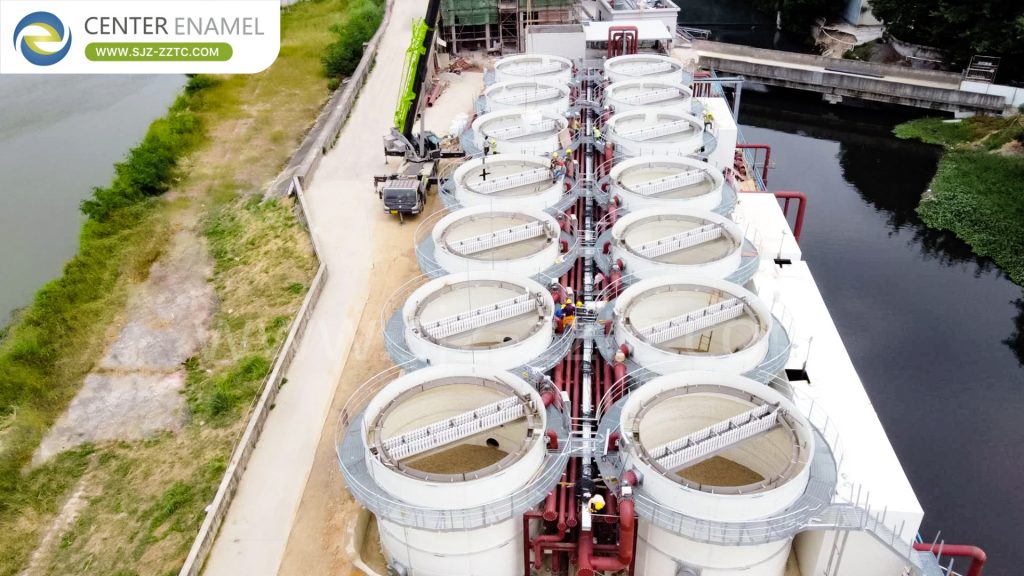
For farmers, agricultural professionals, and environmental managers, the term livestock waste appears frequently in regulations, sustainability reports, and operational budgets. But what is the meaning of livestock waste? Simply put, livestock waste refers to any organic material-primarily manure, urine, bedding material, and feed residues-generated by animals raised on farms, including cattle, pigs, poultry, sheep, and goats. This waste also includes wash water from milking parlors, barn cleaning, and processing areas. While livestock waste is a natural byproduct of animal agriculture, when mismanaged, it becomes a major source of air and water pollution. However, when properly treated, livestock waste transforms into valuable resources: biogas for energy and digestate for fertilizer.
Types of Livestock Waste
To fully grasp the meaning of livestock waste, it helps to break it down by source and composition. Different animal production systems generate distinct waste streams:
1. Cattle and Dairy Waste
Solid manure (dung)
Urine
Bedding (straw, sawdust, sand)
Wash water from milking parlors
2. Pig (Swine) Waste
Manure and urine mixture (slurry)
Flush water from hog barns
Feed spillage
3. Poultry Waste
Litter (manure mixed with bedding such as rice hulls or wood shavings)
Egg processing wastewater
Dead birds (in mortality management systems)
4. Sheep and Goat Waste
Pelletized manure
Urine
Bedding from barns during confinement periods
5. Mixed Farm Waste
Runoff from feedlots
Waste from farmyards and holding pens
Residues from feed storage areas
Each type has different moisture content, carbon-to-nitrogen ratios, and physical characteristics, which influence how it should be stored, handled, and treated.
Environmental Impacts of Livestock Waste
Why does the meaning of livestock waste matter beyond the farm gate? Because untreated or poorly managed livestock waste creates serious environmental problems:
Water Pollution: Runoff from manure stockpiles or lagoons carries nitrogen, phosphorus, and pathogens into rivers, lakes, and groundwater. This causes algal blooms (eutrophication), fish kills, and contaminated drinking water.
Air Pollution: Decomposing manure releases ammonia, hydrogen sulfide, and volatile organic compounds, creating foul odors and respiratory irritants for nearby communities.
Greenhouse Gas Emissions: Anaerobic decomposition of livestock waste produces methane (CH4) and nitrous oxide (N2O)-both far more potent than carbon dioxide. Animal agriculture accounts for a significant share of global methane emissions.
Soil Degradation: Over-application of raw manure can lead to salt buildup, heavy metal accumulation, and nutrient imbalances in agricultural soils.
Understanding the meaning of livestock waste is therefore essential for developing treatment strategies that protect public health and the environment.
Traditional Livestock Waste Management Methods
Before exploring advanced solutions, it is useful to know how farms have historically managed livestock waste:
| Method | Description | Limitations |
| Direct land application | Spreading raw manure on fields as fertilizer | Odor, pathogen risk, nutrient runoff |
| Storage lagoons | Holding manure in open ponds | Methane emissions, groundwater leakage |
| Composting | Aerobic decomposition of solid manure | Requires space, time, and labor |
| Solid separation | Mechanical removal of solids from slurry | Only partial treatment; liquid still problematic |
These methods address volume reduction but fail to capture the energy value embedded in organic waste. That is where modern biogas solutions change the equation.
The Modern Solution: Converting Livestock Waste into Biogas
The real meaning of livestock waste in the 21st century is not “a disposal problem” but “an energy resource.” Using anaerobic digestion technology, farms can capture methane from livestock waste before it escapes into the atmosphere and instead burn it as biogas for electricity, heat, or vehicle fuel.
The core of this transformation is the CSTR Process (Continuous Stirred-Tank Reactor). In a CSTR system, livestock waste is fed into a sealed tank where mechanical stirrers keep the material constantly mixed. Anaerobic bacteria break down organic matter, releasing biogas (60–70% methane, 30–40% carbon dioxide). The remaining digestate is a stable, low-odor organic fertilizer.
Why the CSTR Process Works for Livestock Waste
Handles high-solids content (up to 12% total solids)
Prevents settling of sand and grit
Maintains uniform temperature for bacterial activity
Delivers consistent biogas production even with variable feedstocks
For farms managing cattle, pig, or poultry waste, the CSTR Process is the most reliable anaerobic digestion technology available.
GFS Tanks and Double Membrane Roof: Essential Infrastructure for Livestock Waste Treatment
To contain livestock waste safely during anaerobic digestion, durable storage and gas collection systems are required. This is where GFS Tanks (Glass-Fused-to-Steel) and Double Membrane Roofs become critical.
GFS Tanks are bolted steel panels coated with a layer of glass fired at high temperature. This creates a hard, non-porous surface that resists the corrosive effects of hydrogen sulfide, organic acids, and ammonia found in livestock waste. Unlike concrete or other materials, GFS tanks do not crack, leach, or require frequent recoating. With a production capacity of 250,000 sheets per year, Center Enamel delivers these tanks worldwide.
Double Membrane Roofs sit on top of the digester. The outer membrane protects against weather; the inner membrane forms a gas-tight seal to collect biogas. The space between them holds a small amount of air pressure, maintaining the roof’s shape. This integrated roof eliminates the need for a separate ground-mounted gas holder, saving land and reducing costs.
For extreme weather conditions (high winds, heavy snow loads), Center Enamel also offers a GFS roof option.
Complete Biogas System Components for Livestock Waste
A full-scale biogas facility for livestock waste includes more than just a digester. Center Enamel supplies a complete equipment package:
Gas Holder: Stores biogas to balance production with demand.
Black Membrane: Used for lined lagoons or secondary containment.
Solid-liquid Separator: Divides digestate into solid fiber (bedding or compost) and liquid fertilizer.
Torch System: Safely combusts excess biogas when not needed.
Lifting Pump: Transfers raw waste, slurry, or digestate between stages.
Dehydration and Desulfurization Tank: Removes moisture and H₂S to protect generators and piping.
Screw Sludge Dewatering Machine: Reduces sludge volume for easier handling.
Efficient Installation: From Livestock Waste to Energy in Weeks
Center Enamel’s bolted GFS Tanks are prefabricated in a 150,000 m² production facility and shipped in standardized containers. On-site assembly requires no welding-only bolting and sealing. A complete biogas system can be erected in weeks, not months. This speed is critical for farms that need to comply with environmental regulations quickly or want to start saving on energy costs as soon as possible. Center Enamel also provides technical supervision, commissioning support, and hands-on training for local farm operators.
Center Enamel: One-Stop Biogas Solutions for Livestock Waste
Understanding the meaning of livestock waste is only the first step. The real value comes from treating that waste effectively. Center Enamel is a one-stop solution provider for complete Biogas Solutions systems. With over 36 years of experience, Asia’s largest GFS tank manufacturing capacity, and exports to more than 100 countries, Center Enamel delivers turnkey EPC services-from feasibility studies to engineering, equipment supply, installation, and commissioning.
For a 2,000-head dairy farm, Center Enamel can design a CSTR Process system using GFS Tanks with a double membrane roof, plus all auxiliary equipment. The biogas can power a generator to run milk cooling, water pumps, and lighting. The digestate becomes organic fertilizer for on-farm use or sale. Center Enamel manages everything: permits, civil works, tank erection, piping, generator hookup, and training. This integrated approach ensures that livestock waste is no longer a liability but a productive asset.
Conclusion
The meaning of livestock waste has evolved. It is no longer simply manure to be hauled away or stored in lagoons. Livestock waste is a continuous, on-farm source of renewable energy and organic fertilizer-if managed with modern anaerobic digestion technology. By combining the CSTR Process with durable GFS Tanks and efficient double membrane roofs, farms can eliminate pollution, cut energy costs, and generate new revenue. Center Enamel provides complete, turnkey Biogas Solutions that turn livestock waste into a competitive advantage. For farmers, cooperatives, and investors, choosing Center Enamel means choosing a certified, proven partner in sustainable agriculture.
FAQ
Q1: What are the most common types of livestock waste that can be used for biogas production?
A1: The most suitable livestock waste for biogas includes pig slurry (high moisture, good methane yield), cattle manure (moderate yield, fibrous), and poultry litter (high nitrogen, requires careful handling). Dairy wash water and feed residues can also be co-digested. The CSTR Process handles all these types effectively, though retention times and pre-treatment may vary.
Q2: Is livestock waste dangerous if not treated properly?
A2: Yes. Untreated livestock waste contains pathogens (E. coli, Salmonella), parasites, excess nutrients (nitrogen, phosphorus), and methane-producing organic matter. When released into the environment, it can contaminate drinking water, kill aquatic life, emit foul odors, and contribute significantly to climate change. Proper anaerobic digestion eliminates most pathogens and captures methane for beneficial use.
Q3: How much biogas can 1 ton of livestock waste produce?
A3: Biogas yield depends on the animal type. On average, 1 ton of pig manure produces 20–35 m³ of biogas; cattle manure yields 15–25 m³ per ton; poultry litter yields 60–80 m³ per ton due to higher organic content. However, actual output varies with feed quality, bedding material, and digester conditions. Center Enamel provides site-specific yield estimates during the feasibility study.