
What is the Most Flammable Gas in Biogas?
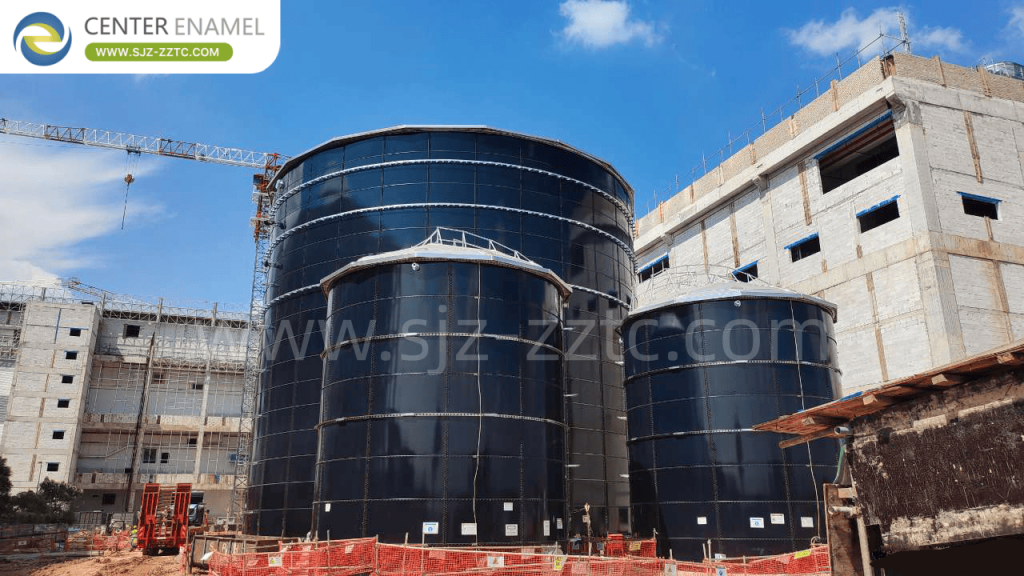
Biogas is a renewable energy source produced through the anaerobic digestion of organic matter, and understanding its composition is critical for safety and efficient utilization. The most flammable gas in biogas is methane (CH₄) , which typically constitutes 50–80% of the gas mixture . Methane is highly combustible and forms explosive mixtures when its concentration in air reaches 5–15% . This article explores the composition of biogas, the process of its generation, its diverse applications, and the essential equipment needed for safe and efficient biogas projects.
Biogas Composition: Methane and Other Components
Biogas is primarily composed of methane (CH₄) and carbon dioxide (CO₂), along with trace amounts of other gases. Typical biogas contains 50–70% methane and 30–45% carbon dioxide . The remaining portion includes small quantities of hydrogen sulfide (H₂S), ammonia, water vapor, and other trace gases .
Methane is the most flammable component and the primary energy carrier, giving biogas its fuel value. Its ignition temperature is approximately 650–700°C, and it has a flame speed of about 25 cm/s . The explosive range of methane in air is 5–15% by volume, making it essential to handle biogas with appropriate safety measures .
Hydrogen sulfide, while present in small amounts (0.05–500 ppm), is a problematic impurity. It is a colorless gas with a strong rotten-egg odor, is inflammable, and forms explosive mixtures when mixed with oxygen . Upon combustion, H₂S forms sulfur dioxide (SO₂), a toxic and corrosive substance that can damage equipment and harm the environment .
How Biogas is Generated: The Anaerobic Digestion Process
Biogas generation occurs through anaerobic digestion, a biological process where microorganisms break down organic matter in the absence of oxygen . This process takes place in a sealed vessel called a digester and involves several sequential stages:
Hydrolysis (Liquefaction): Liquefying bacteria convert insoluble fibrous materials such as carbohydrates, fats, and proteins into soluble substances .
Acidogenesis (Acid Production): Acid-forming bacteria transform the soluble organic matter into volatile fatty acids, alcohols, hydrogen, and carbon dioxide .
Methanogenesis (Biogas Production): Methane-forming bacteria (methanogens) convert these volatile acids and other intermediates into biogas—a mixture of methane, carbon dioxide, and trace gases .
The entire process occurs simultaneously in a dynamic equilibrium, with different bacterial groups working together to convert organic waste into usable energy . For optimal biogas production, the digester must be maintained at a constant temperature and pH level .
Biogas Applications: From Energy to Fertilizer
The captured biogas is a versatile energy carrier with numerous applications :
Electricity and Heat Generation: Biogas can be combusted in combined heat and power (CHP) engines to simultaneously produce electricity and thermal energy. The heat can be used to maintain digester temperature, creating a highly efficient closed-loop system .
Boiler Fuel: Biogas can be used directly in specialized boilers for heating applications .
Vehicle Fuel: After purification to remove CO₂, water, and H₂S, biogas becomes renewable natural gas (RNG) that can be compressed and used as vehicle fuel or injected into natural gas distribution networks .
Fertilizer Production: The nutrient-rich digestate remaining after digestion can be processed into high-quality organic fertilizer, supporting sustainable agriculture and creating a circular economy .
Safety Considerations: Flammability and Explosion Hazards
Due to methane's flammability, biogas poses significant safety risks that must be managed carefully:
Explosion Hazard: Methane forms explosive mixtures in air at concentrations of 5–15% . For biogas as a whole, the explosive range is approximately 6–22% in air .
Ignition Sources: No open flames should be used near digesters. Equipment such as engines and generators must be explosion-proof to prevent sparks from igniting the gas . Non-sparking tools should be used around biogas facilities .
Asphyxiation Risk: Both methane and carbon dioxide can displace oxygen, creating oxygen-deficient atmospheres in confined spaces. Methane is lighter than air and collects in upper spaces, while CO₂ is heavier and accumulates in lower areas .
Key Biogas Equipment for Safe and Efficient Operations
A complete biogas plant requires a suite of specialized equipment:
Anaerobic Digesters: The primary vessel where biogas generation occurs. Complete-mix digesters with mechanical mixing are widely used to keep solids suspended and maximize biological activity .
Gas Holders: Provide safe, flexible storage for produced biogas, regulating pressure fluctuations and ensuring a stable gas supply .
Dehydration and Desulfurization Units: Remove moisture and corrosive hydrogen sulfide from raw biogas to protect downstream equipment .
Torch System: Safely flares excess biogas when pressure management is required.
Combined Heat and Power Units: Convert biogas into electricity and usable heat.
Solid-Liquid Separators: Split digestate into solid and liquid fractions for easier handling and use as fertilizer.
Center Enamel: One-Stop Biogas Solutions for Global Customers
Center Enamel provides comprehensive biogas solutions, offering everything from engineering design and manufacturing to installation and after-sales support. With successful projects in over 100 countries, Center Enamel is a trusted partner in the bioenergy sector .
Glass-Fused-to-Steel (GFS) Tanks
Center Enamel's GFS tanks are the industry standard for biogas storage and digestion . The glass coating is fused to steel at 820–930°C, creating an inert, corrosion-resistant surface that withstands the aggressive hydrogen sulfide and organic acids in biogas systems . Key features include:
Exceptional Corrosion Resistance: Resists chemical attack from H₂S and organic acids .
Service Life Exceeding 30 Years: Minimal maintenance required over decades of operation .
Modular Bolted Construction: Enables rapid onsite assembly without welding .
Airtight Sealing: Prevents gas leakage and ensures safe biogas containment .
International Certifications: Meets AWWA D103-09, ISO 28765, NSF/ANSI 61, and other global standards .
Comprehensive Project Services
Center Enamel delivers full EPC (Engineering, Procurement, and Construction) services :
Customized Design: Tailored solutions based on feedstock, climate, and project goals.
Equipment Supply: Complete anaerobic digestion systems including GFS tanks, gas holders, and purification units.
Rapid Installation: Factory-prefabricated components allow for fast, predictable construction .
Quality Assurance: Rigorous quality control ensures long-term reliability.
Global Project References
Biogas Project in France
Process: CSTR
Tank dimensions: φ18.33m x 8.4m (H) (1 unit)
Total volume: 2,215 m³ (1 unit)
Completion year: 2021
Biogas Project in Canada
Tank dimensions: φ8.4m x 7.2m (H) (2 units)
Total volume: 798 m³
Completion year: 2024
Conclusion
Understanding the flammability and composition of biogas is essential for safe and efficient energy recovery. Methane, the most flammable gas in biogas, provides the fuel value but also requires rigorous safety management. Through advanced anaerobic digestion technology and robust equipment like GFS tanks, organic waste can be transformed into a valuable renewable energy source. Center Enamel offers comprehensive biogas solutions—from design and engineering to manufacturing and installation—empowering global customers to achieve sustainable waste-to-energy outcomes with proven, durable infrastructure.
FAQ Section
1. What is the most flammable gas in biogas?
Methane (CH₄) is the most flammable gas in biogas, making up 50–80% of the mixture. It has an explosive range of 5–15% in air and an ignition temperature of approximately 650–700°C .
2. How does biogas generation work?
Biogas is generated through anaerobic digestion, a multi-stage biological process where bacteria break down organic matter in the absence of oxygen. The stages include hydrolysis, acidogenesis, and methanogenesis, ultimately producing methane-rich biogas .
3. What equipment is needed for a biogas project?
A complete biogas plant requires anaerobic digesters (such as GFS tanks), gas holders for storage, dehydration and desulfurization units for gas purification, torch systems for pressure management, and CHP units for energy conversion .