
What is the pH Range of Dairy Wastewater? A Comprehensive Guide
When we think of dairy wastewater, we often picture milky water laden with organic matter. But there's another critical, often overlooked characteristic that dictates how this wastewater must be treated: its pH. So, what is the pH range of dairy wastewater? The simple answer is: surprisingly wide. Depending on the production process, cleaning cycles, and time of sampling, dairy wastewater can range from highly acidic (around pH 3.0) to strongly alkaline (exceeding pH 12.0).
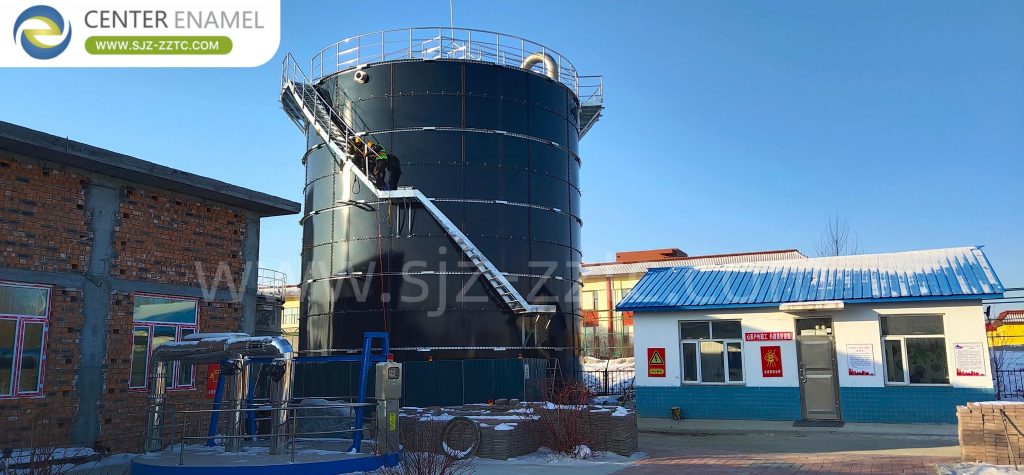
This extreme variability is one of the greatest challenges facing dairy wastewater treatment plants. Understanding the pH range of dairy effluent is not just an academic exercise; it's essential for designing effective treatment systems, ensuring regulatory compliance, and protecting the environment. This article explores the factors behind these pH fluctuations, their implications for treatment, and the strategies used to manage them.
The Typical pH Range: A Moving Target
Unlike municipal sewage, which tends to have a relatively stable pH, dairy wastewater is infamous for its dramatic fluctuations. While the "operating" range for most biological treatment processes is ideally between 6.0 and 8.5, the influent to a treatment plant can be far more extreme.
One comprehensive study observed pH values in dairy effluent ranging from a highly acidic 4.41 to a strongly alkaline 12.76. Similarly, treatment plant operators often report inlet pH swings from as low as 2.0 to as high as 12.0 within short periods. This variance is not random; it is directly tied to the daily operations of a dairy processing facility.
Why Does Dairy Wastewater pH Vary So Much?
The extreme pH range of dairy wastewater is primarily driven by two factors: the type of product being processed and, most significantly, the cleaning processes.
The Role of Milk and Fermentation
Raw milk itself is slightly acidic, with a pH around 6.6 to 6.8. However, as milk sugars (lactose) ferment, they produce lactic acid, causing the pH of the effluent to drop. This can lead to more acidic wastewater, which can, in turn, cause the precipitation of casein proteins. Effluents from cheese production, for instance, are often more acidic due to the presence of whey and fermentation byproducts.
The Dominant Effect of CIP (Clean-in-Place) Systems
The primary driver of pH fluctuation is the Clean-in-Place (CIP) process used to sanitize equipment. These systems use highly caustic (alkaline) and acidic detergents to clean tanks, pipes, and other processing equipment. When these cleaning chemicals are discharged into the wastewater stream, they create sudden, massive pH spikes.
Alkaline Spikes: Caustic soda (sodium hydroxide) is commonly used in CIP, which can push the wastewater pH into the highly alkaline range of 11-12.
Acidic Spikes: Acidic cleaners, often based on nitric or phosphoric acid, are used to remove mineral scale, causing the pH to plummet to 2-3.
The discharge of these CIP waste streams, often in batches, creates "shock loads" that can severely destabilize a wastewater treatment plant if not managed properly. This is why pH is identified as one of the most variable and problematic parameters in dairy effluent.
Why pH Management is Critical for Treatment
Maintaining a stable pH is not just a regulatory requirement; it is a biological necessity. Most biological treatment systems rely on microorganisms to break down organic pollutants. These microbes are highly sensitive to their environment, and pH is a primary factor in their health and activity.
The Biological Treatment Sweet Spot
Research consistently shows that the optimal pH for the microorganisms that break down organic matter (BOD/COD) in dairy wastewater is near neutral. A pH range of 6.0 to 8.5 is generally considered ideal for biological treatment. For more sensitive advanced treatments like nanofiltration (NF), the optimal pH is even narrower, around 7.0 to 8.0.
The Consequences of pH Extremes
When the pH deviates from this neutral zone, serious problems arise:
Acidification (< pH 6.0): In anaerobic digesters, a drop in pH can indicate an accumulation of volatile fatty acids (VFAs), a sign that the acid-producing bacteria are outpacing the methane-producing archaea. If the pH drops too low, it can inhibit methanogenesis and cause the entire system to fail.
Alkalinity (> pH 8.5): High pH levels can be toxic to microorganisms and can also cause increased membrane fouling in membrane-based treatment systems.
Treatment Strategies for Managing pH Fluctuations
Given the extreme variability, managing pH is a non-negotiable part of dairy wastewater treatment. Several strategies, from simple to sophisticated, are employed to handle these fluctuations.
1. Equalization Tanks
The first line of defense is often an equalization or balancing tank. This large holding basin allows wastewater from different batches (acidic CIP, alkaline CIP, milk processing) to mix and partially neutralize each other before entering the main treatment system. This simple step smooths out the peaks and troughs in pH, providing a more consistent feed to the downstream biological reactors.
2. Automated pH Neutralization
For more precise control, automated pH neutralization systems are used. These systems continuously monitor the pH of the incoming wastewater and automatically add acid or alkali to bring it within the desired range. It is common for treatment plants to aim for an output pH of 6.5 to 8.5 for biological treatment, starting from influent that may range from pH 2 to 12.
3. Acidification as a Treatment Step
Interestingly, controlled acidification can sometimes be used as a treatment step. Research has shown that acidifying dairy wastewater to around pH 5 promotes protein destabilization and precipitation. This can be used as a pre-treatment step to remove a significant portion of the organic load (BOD5 and COD) before biological treatment, with studies showing up to 87% BOD5 removal.
4. Two-Phase Digestion
For anaerobic digestion, a two-phase system can be highly effective. It separates the acid-forming (acidogenesis) and methane-forming (methanogenesis) stages, allowing for independent pH control in each reactor. This protects the sensitive methanogens from the acidic conditions generated in the first phase.
The Impact of pH on Advanced Treatment Technologies
The influence of pH extends beyond biological treatment to advanced processes like membrane filtration. For example, in nanofiltration (NF) systems, the feed pH significantly impacts performance and fouling:
Optimal pH for NF: A pH of 7-8 is considered most suitable for NF treatment of dairy wastewater, balancing permeability and fouling control.
Fouling at High pH: At pH levels above 8, membrane fouling becomes very sensitive to pH changes, and higher pH can lead to increased concentration polarization and fouling.
Conclusion: pH as a Key Performance Indicator
The pH range of dairy wastewater is a clear indicator of its complex and variable nature. Ranging from 2.0 to over 12.0, this parameter is a direct consequence of the diverse products and intensive cleaning processes used in the dairy industry. For wastewater treatment engineers and plant operators, pH is not just a number on a datasheet; it is a critical control variable that dictates the health and efficiency of the entire treatment process. Understanding the source of these fluctuations and implementing robust management strategies like equalization and automated neutralization is essential for achieving effective, compliant, and sustainable wastewater treatment.
Frequently Asked Questions (FAQ)
1. What is the most common pH range for dairy wastewater?
While it can vary wildly, the influent to a treatment plant can be as low as pH 2.0 and as high as pH 12.0. The optimal range for biological treatment is a much narrower 6.0 to 8.5. A case study found that over 60% of samples fell into this "Class V" range for pH, highlighting the scale of the challenge.
2. Why does the pH of dairy wastewater fluctuate so drastically?
The primary reason is the Clean-in-Place (CIP) process used to wash equipment. These systems discharge highly caustic alkaline cleaners (causing pH to spike to 11-12) and acidic cleaners (causing pH to drop to 2-3) in batches, creating "shock loads". The specific product being processed (e.g., cheese vs. milk powder) also affects the baseline pH.
3. What happens if the pH of dairy wastewater is not controlled?
Uncontrolled pH can cause biological treatment systems to fail. If the pH drops too low (acidic), it inhibits methane-producing bacteria in anaerobic digesters. If it gets too high (alkaline), it can be toxic to microbes and cause severe fouling in membrane treatment systems. Effective pH management is essential to maintain a stable treatment process.