
What Is the Process Inside a Biomass Power Plant? From Fuel to Electricity
Inside a biomass power plant, the process runs: fuel reception and storage → size reduction and drying → combustion in a boiler → steam generation → turbine and generator → flue-gas cleaning → ash handling. Solid biomass is burned at 800–1,000°C to raise high-pressure steam (typically 40–100 bar, 400–540°C) that drives a steam turbine, converting roughly 20–35% of the fuel’s energy into electricity.
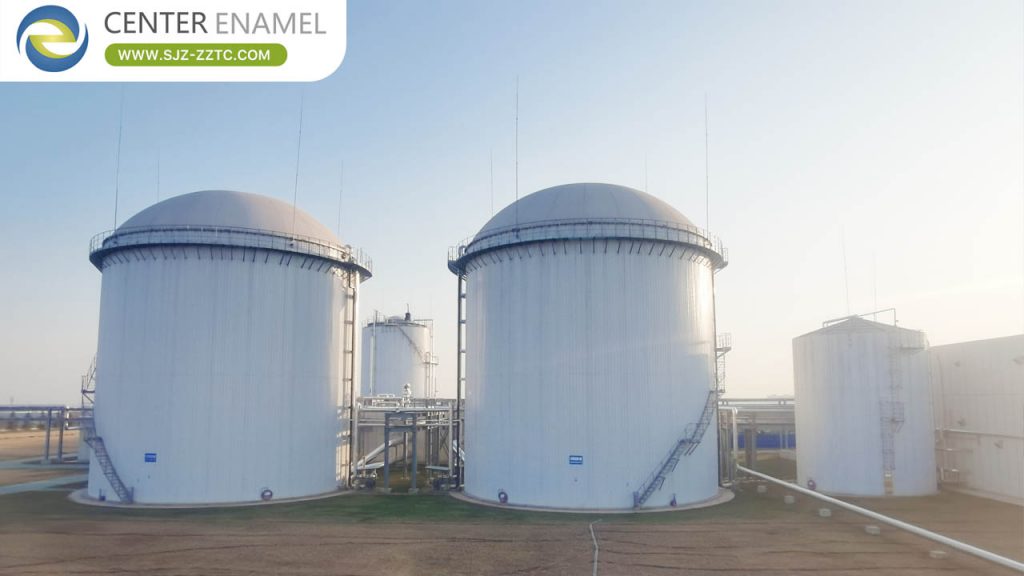
The Seven Steps of the Process
Step 1—Fuel reception: wood chips, agricultural residues, or pellets arrive and are weighed, sampled, and stored under cover. Step 2—Preparation: grinding, screening, and drying cut moisture toward 10–25%. Step 3—Combustion: fuel burns on a grate or in a fluidized bed at 800–1,000°C. Step 4—Steam: hot gases raise steam at 40–100 bar. Step 5—Power: steam expands through a turbine to drive the generator. Step 6—Cleaning: cyclones, baghouses, and scrubbers remove particulates and acid gases. Step 7—Ash: bottom and fly ash are collected for use as soil amendment or landfill.
Comparative Data Table: Combustion Technology and Parameters
| Parameter | Grate Firing | Fluidized Bed | Pulverized |
| Bed temp (°C) | 800–1,000 | 800–900 | >1,200 |
| Fuel moisture | 15–50% | 10–55% | <15% |
| Turndown | 3:1 | 3:1 | 4:1 |
| Typical scale (MW) | 1–50 | 10–100 | 50– |
Where the Energy Is Lost
Three losses dominate. Flue gas carries 10–25% of fuel energy out the stack because biomass combustion needs excess air and the gas leaves hot. Moisture evaporation consumes energy before any heat reaches the steam—every 10% of added moisture can cost 1–3 efficiency points. Finally, the condenser rejects 45–60% as low-grade heat, which is why combined heat and power (CHP) or district heating lifts total utilization to 60–85%.
Frequently Asked Questions (FAQ)
Q1: How does biomass turn into electricity?
A: Biomass is burned to heat water into high-pressure steam (40–100 bar, 400–540°C); the steam spins a turbine coupled to a generator. Typical electrical efficiency is 20–35%, rising to 60–85% total when the waste heat is recovered for district heating or process use.
Q2: What are the main steps in a biomass plant?
A: Seven: fuel reception and covered storage, size reduction and drying, combustion at 800–1,000°C, steam generation, turbine and generator, flue-gas cleaning, and ash handling for reuse or disposal.
Q3: Why must biomass be dried before burning?
A: Moisture must evaporate before combustion releases heat, directly stealing boiler output. Every 10% of extra moisture can cut efficiency 1–3 points, which is why fuel is typically dried to 10–25% before the boiler.
Q4: What happens to the ash?
A: Bottom ash and fly ash are collected separately. Both are often rich in potassium and phosphorus and can be used as soil amendment or fertilizer where regulations permit; otherwise they go to landfill. Quality depends on fuel cleanliness.