
What is the Process of Wastewater Treatment in the Food Industry
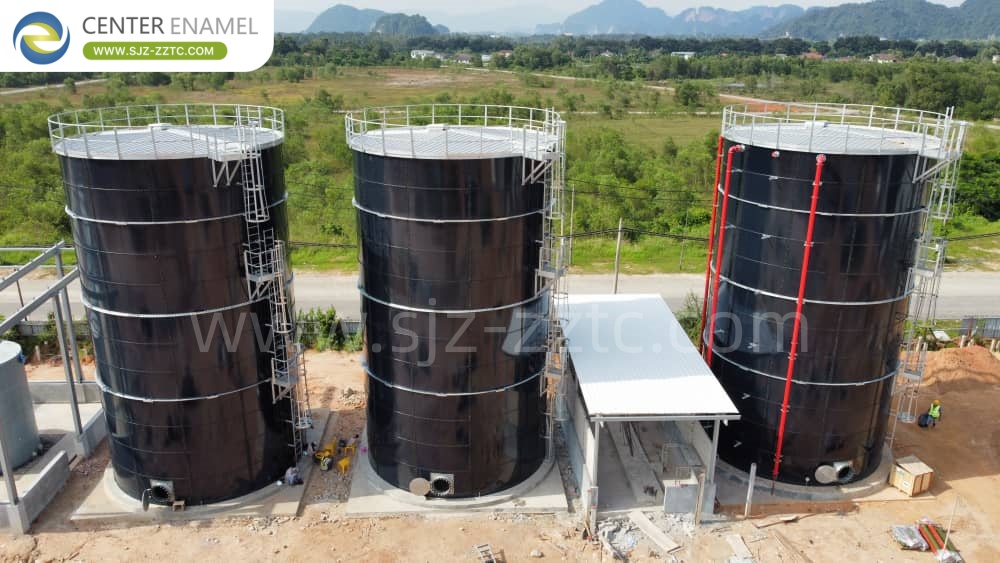
Food processing wastewater is one of the largest and most polluting organic waste streams across the global manufacturing sector. From fruit and vegetable processing, meat slaughtering, dairy production, beverage brewing to grain and oil processing, every production link consumes massive water and discharges large volumes of organic wastewater every day. If discharged directly without proper treatment, food industry wastewater will cause severe eutrophication, river pollution, odor nuisance, groundwater contamination and ecological damage. Therefore, understanding what is the process of wastewater treatment in the food industry is essential for food factories to comply with environmental regulations, control operating costs and achieve sustainable circular economy.
Sources and Characteristics of Food Industry Wastewater
Food processing wastewater is generated throughout the entire production chain. Main sources include raw material cleaning, production equipment flushing, workshop floor washing, product processing, sterilization and cooling drainage, as well as waste liquid produced from leftover food residues and by-product processing.
Typical features of food industry wastewater include high COD and BOD concentration, rich organic matter, protein, starch, sugar, grease and suspended solids. The water volume and water quality fluctuate greatly with production seasons and shifts. It is easy to acidify, ferment and produce foul odors, containing high nitrogen and phosphorus that easily trigger water eutrophication. Due to complex organic components and variable water quality, ordinary single treatment methods cannot meet discharge standards, requiring a scientific combined process including pretreatment, anaerobic treatment, aerobic treatment and advanced purification.
The Complete Process of Wastewater Treatment in the Food Industry
The standard process of wastewater treatment in the food industry follows a mature and stable technical route:Pretreatment → Regulation & Equalization → Air Flotation & Oil Removal → Anaerobic Treatment → Aerobic Treatment → Secondary Sedimentation → Advanced Treatment & Disinfection
1. Pretreatment
Raw wastewater first passes through mechanical grille screens to intercept large impurities such as vegetable leaves, fruit peels, food residues, plastic debris and fiber solids. This step protects subsequent water pumps, pipelines and reactors from blockage and mechanical wear.
2. Water Quality and Quantity Equalization
Wastewater flows into the regulation tank to balance peak and low water flow, stabilize organic concentration and pH fluctuation. It effectively relieves impact load on subsequent biological units and ensures stable operation of the whole treatment system.
3. Air Flotation and Oil Separation
Most food processing wastewater contains animal oil, vegetable oil and emulsified grease. Dissolved Air Flotation (DAF) and oil separation facilities remove floating oil, suspended solids and colloidal substances, greatly reducing organic load for the subsequent anaerobic process.
4. Core Anaerobic Treatment
Anaerobic digestion is the most critical step in the process of wastewater treatment in the food industry. Under oxygen-free conditions, anaerobic microorganisms decompose macromolecular organics such as starch, protein and fat into small molecular substances, removing most COD and BOD. Meanwhile, it produces renewable biogas for power generation and heating, realizing waste energy recovery.
5. Aerobic Biological Treatment
The effluent from the anaerobic reactor enters the aerobic system to further degrade residual organic pollutants, ammonia nitrogen and phosphorus. It further purifies water quality and lays a foundation for up-to-standard discharge.
6. Secondary Sedimentation
The mixed liquid flows into the secondary sedimentation tank to realize sludge-water separation. Settled sludge can be refluxed to the aerobic tank or discharged to the sludge treatment unit.
7. Advanced Treatment and Disinfection
After filtration, disinfection and deep denitrification and phosphorus removal, the final effluent can reach local discharge standards or be reused for factory cleaning and greening irrigation. Excess sludge is concentrated, dewatered and recycled into organic fertilizer.
Four Core Anaerobic Technologies for Food Industry Wastewater Treatment
As a professional EPC contractor for food wastewater treatment projects, Center Enamel provides four mature anaerobic technologies suitable for different food factory scales, wastewater concentrations and site conditions.
1. CSTR (Completely Stirred Tank Reactor)
CSTR is ideal for high-concentration, high-solids food processing wastewater such as meat processing, dairy and starch factory wastewater. Equipped with mechanical stirring devices, it achieves full mixing of sludge and wastewater, preventing crusting and sedimentation. It has strong impact load resistance and stable operation, perfectly matching large-scale comprehensive food processing plants.
2. USR (Upflow Solids Reactor)
USR features simple structure, no mechanical stirring, low energy consumption and easy maintenance. It relies on upward water flow to retain organic particles and sludge. It is highly suitable for medium and small-sized food factories, rural food processing workshops and projects with limited investment and operation budget.
3. UASB (Upflow Anaerobic Sludge Blanket)
UASB is a globally proven cost-effective anaerobic process, widely used for medium and low-concentration food wastewater such as fruit and vegetable processing, beverage and grain processing wastewater. Wastewater rises through a dense granular sludge blanket to efficiently degrade organic pollutants. It has high loading rate, low operating cost and stable performance.
4. IC (Internal Circulation) Reactor
IC is an advanced high-rate anaerobic technology driven by biogas internal circulation. Its treatment capacity is 3–5 times higher than conventional reactors, with small footprint and excellent COD removal efficiency. It is the best choice for large food industrial parks and land-tight projects pursuing maximum treatment efficiency and biogas energy recovery.
Unique Advantages of Center Enamel in Food Industry Wastewater Treatment
Center Enamel stands out as a reliable partner in the process of wastewater treatment in the food industry with comprehensive technical, equipment and service strengths.
First, customized process design. According to different food types, wastewater quality, daily water volume and local emission standards, Center Enamel flexibly selects CSTR, UASB, USR and IC processes to design the most economical and stable treatment solution.
Second, high-performance corrosion-resistant GFS Tanks. Food wastewater contains acid, grease and corrosive organic substances. Center Enamel Glass-Fused-to-Steel (GFS) tanks feature full pH resistance of 1–14, excellent anti-corrosion, UV resistance and seismic stability. With bolted assembly, fast installation and over 30 years service life, GFS tanks are ideal for anaerobic reactors, regulation tanks and sludge tanks in food wastewater projects.
Third, full lifecycle EPC one-stop service. Center Enamel covers overall process design, equipment manufacturing, civil construction, installation, commissioning and after-sales support, greatly reducing project coordination difficulty and investment risks for food enterprises.
Fourth, energy recycling and circular economy. The anaerobic system converts food waste organics into biogas for factory power generation and heating, cutting energy costs. Digested sludge can be processed into organic fertilizer, realizing waste resource reuse and environmental-economic win-win.
The process of wastewater treatment in the food industry adopts a systematic combined flow of pretreatment, equalization, air flotation, anaerobic core treatment, aerobic purification and advanced treatment. Selecting the right anaerobic technologies including CSTR, USR, UASB and IC is critical to stable operation and standard discharge. With mature process experience, four professional anaerobic technologies and high-quality GFS tank equipment, Center Enamel provides turnkey EPC solutions for global food processing factories, helping enterprises meet environmental compliance, reduce operating costs and achieve sustainable green development.