
What Is the Purpose of an Anoxic Tank?
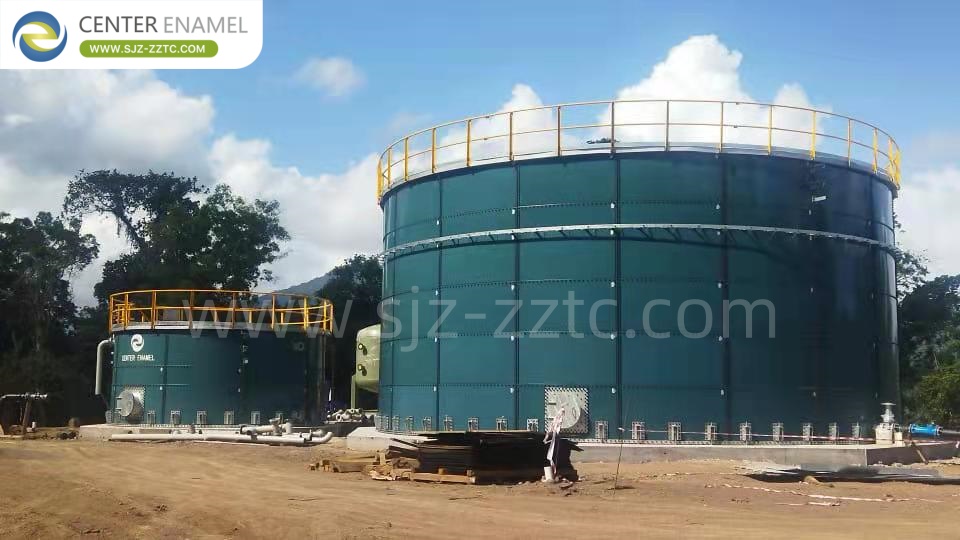
The purpose of an anoxic tank is to provide an oxygen-free environment where specialized bacteria can convert nitrates and nitrites—harmful nitrogen compounds—into harmless nitrogen gas through a biological process called denitrification . Unlike anaerobic tanks that also lack oxygen but typically contain no nitrates, anoxic tanks specifically target nitrogen removal by utilizing bound oxygen found in nitrate molecules . This makes the anoxic tank an indispensable component in modern biological wastewater treatment systems, particularly within the widely adopted A2O (Anaerobic-Anoxic-Oxic) Process.
The Science Behind Anoxic Conditions
To understand the anoxic tank's purpose, it's essential to distinguish anoxic conditions from anaerobic and aerobic ones. Anoxic conditions are defined by the complete absence of molecular or free oxygen (O₂), but the presence of bound oxygen in chemical compounds like nitrates (NO₃) and nitrites (NO₂) . In contrast, anaerobic conditions lack both free and bound oxygen, while aerobic conditions contain dissolved free oxygen.
In wastewater treatment, anoxic tanks provide the exact environment needed for denitrifying bacteria to thrive . These microorganisms use the bound oxygen from nitrates to oxidize organic matter while simultaneously converting the nitrates into nitrogen gas that escapes harmlessly into the atmosphere . Typical anoxic tank operation maintains dissolved oxygen levels between 0.2–0.4 mg/L, lower than aerobic zones but slightly higher than anaerobic tanks that operate below 0.2 mg/L .
The Anoxic Tank's Role in Nitrogen Removal
The anoxic tank's primary purpose is nitrogen removal through denitrification, a critical step for protecting receiving water bodies from nutrient pollution. Denitrification is the biological reduction of nitrate to nitrogen gas and nitrous oxide .
During this process, denitrifying bacteria use organic carbon from the wastewater as an energy source. They strip oxygen molecules from nitrates to fuel their metabolism. The chemical reaction can be expressed as: NO₃ → NO₂ → NO → N₂O → N₂ . Each step progressively reduces nitrate to simpler compounds until harmless nitrogen gas is produced and released into the atmosphere.
This process is particularly valuable because it removes nitrogen compounds that would otherwise contribute to eutrophication—excessive algae growth that depletes oxygen in lakes, rivers, and coastal waters. By incorporating an anoxic tank, treatment plants can achieve nitrogen removal rates of 70% or higher .
The Anoxic Tank in the A2O Process
The A2O (Anaerobic-Anoxic-Oxic) Process represents one of the most widely used biological nutrient removal configurations in municipal wastewater treatment. Within this system, the anoxic tank serves a specific and essential purpose: nitrate reduction through denitrification .
The process flow follows a carefully designed sequence:
Anaerobic Tank: Influent wastewater first enters the anaerobic tank where phosphorus-accumulating organisms release phosphorus and store carbon substrates.
Anoxic Tank: The mixed liquor then flows to the anoxic tank, where denitrifying bacteria convert nitrate-nitrogen from the internal recycle stream into nitrogen gas .
Aerobic Tank: Finally, the anoxic tank effluent moves to the aerobic tank for nitrification (converting ammonia to nitrate) and additional organic matter removal.
The anoxic tank receives return activated sludge containing nitrates from the aerobic zone, completing the nitrogen removal cycle. This staged arrangement ensures optimal conditions for each microbial community while achieving simultaneous nitrogen and phosphorus removal .
Key Differences Between Anoxic, Anaerobic, and Aerobic Tanks
Understanding the distinctions between these three tank types is essential for proper wastewater treatment system design:
| Feature | Anoxic Tank | Anaerobic Tank | Aerobic Tank |
| Dissolved Oxygen | < 0.2 mg/L | < 0.2 mg/L | ~ 3 mg/L |
| Nitrates/Nitrites | Present | Typically Absent | Present |
| Primary Purpose | Denitrification (N removal) | Phosphorus release & hydrolysis | Nitrification & organic oxidation |
| Key Microorganisms | Denitrifying bacteria | Phosphorus-accumulating organisms | Nitrifying bacteria |
While the anoxic tank shares low dissolved oxygen levels with the anaerobic tank, the presence of bound oxygen in nitrates creates a distinct biological environment optimized for denitrification . Proper hydraulic retention time—typically 2 hours in anoxic zones—ensures sufficient contact between bacteria and nitrate compounds .
Anoxic Tank Applications and Configurations
Anoxic tanks serve critical functions beyond the standard A2O process:
Pre-denitrification: In pre-denitrification configurations, an anoxic tank is placed before the aerobic stage, using influent organic carbon as the electron donor for nitrate reduction . This arrangement optimizes carbon utilization and often eliminates the need for external carbon sources.
Post-denitrification: An anoxic tank can also be placed after the aerobic stage, requiring an external carbon source for denitrification. This configuration is sometimes preferred when influent carbon is limited.
Simultaneous Nitrification-Denitrification: Advanced systems can achieve both nitrification and denitrification within a single tank through careful oxygen control .
Multi-stage anoxic zones: Larger treatment facilities may employ multiple anoxic zones with varied loading rates and recycle streams to optimize nitrogen removal.
Recent research has demonstrated that modified A2O systems with multipoint feeding, where raw water is distributed to both anaerobic and anoxic tanks, can optimize carbon allocation for both phosphorus release and denitrification, achieving removal efficiencies of 91.3% for total phosphorus and 72.4% for total nitrogen under optimal conditions .
Design Considerations for Anoxic Tanks
Effective anoxic tank design requires careful attention to:
Hydraulic Retention Time (HRT): Anoxic tanks typically operate with HRTs of approximately 2 hours . Longer retention times can be required for low C/N ratio wastewater.
Internal Recycle Ratio: The internal recycle flow from the aerobic to anoxic tank is critical. Research indicates optimal recycle ratios of 200% for maintaining denitrification efficiency without disrupting the anaerobic tank's DO environment .
Mixing: Anoxic tanks require mechanical mixing to maintain contact between bacteria and substrates without introducing oxygen.
Carbon Source Availability: Denitrification requires readily biodegradable organic carbon. For low carbon-to-nitrogen ratio wastewater, external carbon sources may be needed, though design innovations like primary sludge fermentation can reduce this need .
Center Enamel: Your One-Stop Wastewater Treatment Solutions Provider
Center Enamel is a global leader in the design and manufacturing of advanced wastewater treatment infrastructure, including high-quality anoxic tanks essential for biological nutrient removal systems. Our Glass-Fused-to-Steel (GFS) tanks are engineered to deliver superior performance and durability for demanding wastewater treatment applications:
Superior Corrosion Resistance: Our GFS technology fuses glass to steel at high temperatures, creating an inert, non-porous surface that withstands the aggressive chemical environment of anoxic wastewater treatment. This ensures long-term reliability and minimal maintenance.
Precision Engineering: Each tank is designed to meet the specific hydraulic and biological requirements of anoxic treatment processes. We work with clients to optimize volume, configuration, and integration with upstream and downstream processes.
Modular Bolted Design: Our tanks are delivered as prefabricated panels for rapid on-site assembly, reducing installation time and costs. The bolted design also allows for easy future expansion as treatment needs evolve.
Comprehensive Solutions: Center Enamel provides complete treatment systems—from anaerobic and anoxic tanks to aerobic reactors, sludge handling, and biogas collection—all engineered to work together seamlessly across municipal, industrial, and agricultural applications.
Global Expertise with Local Support: Our team brings decades of experience in wastewater treatment projects across over 100 countries, ensuring reliable bankable solutions that meet rigorous international standards including AWWA D103-09, ISO 28765, and NSF/ANSI 61.
Partner with Center Enamel to design and deliver anoxic wastewater treatment systems that ensure regulatory compliance, protect valuable water resources, and achieve long-term operational excellence.
Frequently Asked Questions
1. What is the difference between an anoxic tank and an anaerobic tank in wastewater treatment?
Anoxic tanks lack free oxygen but contain bound oxygen in nitrates/nitrites, enabling denitrification bacteria to convert nitrates to nitrogen gas. Anaerobic tanks lack both free and bound oxygen, promoting phosphorus release and organic matter hydrolysis .
2. Why is denitrification important in municipal wastewater treatment?
Denitrification removes nitrogen compounds from wastewater that would otherwise cause eutrophication in rivers, lakes, and coastal waters. Without an anoxic tank for denitrification, discharged wastewater can trigger harmful algae blooms that deplete oxygen and harm aquatic life.
3. What are the typical operating conditions for an anoxic tank in the A2O Process?
Anoxic tanks typically operate with a hydraulic retention time of approximately 2 hours, dissolved oxygen levels between 0.2–0.4 mg/L, and receive internal recycle from the aerobic tank at a ratio of approximately 200% of influent flow to support denitrification .