
What Is the Role of Anaerobic Digesters in Wastewater Treatment?
Wastewater treatment is not just about cleaning water—it is also about managing the sludge that remains. Anaerobic digesters play a central role in this process by breaking down organic matter without oxygen, producing biogas as a valuable byproduct while stabilizing solids. Whether you operate a municipal plant or an industrial facility, understanding how anaerobic digesters work can help you improve efficiency, reduce costs, and meet sustainability goals.
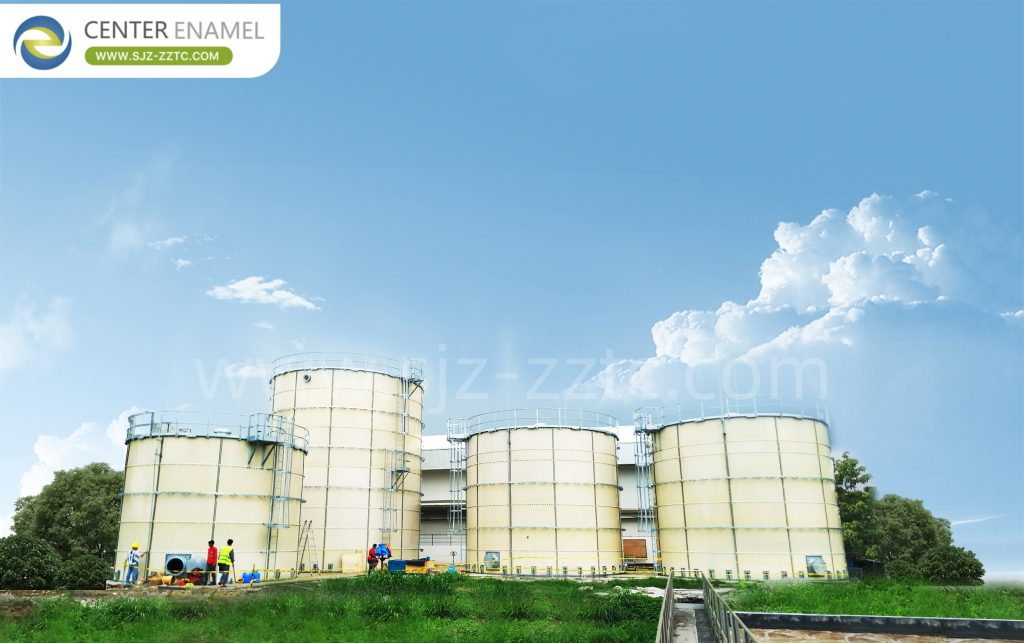
This article explains the role of anaerobic digesters, how they function, the different types available, and why they are increasingly central to modern wastewater treatment.
What Is Anaerobic Digestion?
Anaerobic digestion is a biological process in which microorganisms break down organic matter in the absence of oxygen. Unlike aerobic treatment, which requires energy-intensive aeration, anaerobic digestion occurs naturally in sealed reactors where oxygen is excluded. The process produces two main outputs: biogas (primarily methane and carbon dioxide) and digestate (stabilized residual material).
In wastewater treatment, anaerobic digestion is primarily used to treat sludge—the solid, semi-solid material that accumulates during primary and secondary treatment. By digesting this sludge, plants reduce its volume, eliminate pathogens, and capture methane that can be used to generate heat or electricity.
Why Anaerobic Digesters Matter in Wastewater Treatment
Anaerobic digesters serve several critical functions that make them indispensable in modern wastewater treatment:
Sludge stabilization. Raw sludge contains high levels of volatile organic matter that continues to decompose, producing odors and attracting vectors. Anaerobic digestion stabilizes this material, making it safer for disposal or reuse.
Volume reduction. Digestion can reduce sludge volume by 30% to 50% or more, significantly lowering transportation and disposal costs.
Biogas production. The methane-rich biogas produced during digestion is a renewable energy source. Many plants use it to heat the digester itself or generate electricity, offsetting operational energy costs.
Pathogen reduction. The anaerobic environment, combined with mesophilic or thermophilic temperatures, significantly reduces pathogenic organisms in the sludge.
Resource recovery. Digested sludge, or biosolids, can be used as a soil amendment or fertilizer in many jurisdictions, turning a waste stream into a useful product.
How Anaerobic Digesters Work: The Four-Stage Process
Anaerobic digestion proceeds through four sequential biological stages, each carried out by distinct groups of microorganisms:
1. Hydrolysis. Complex organic polymers (carbohydrates, proteins, lipids) are broken down into simpler soluble compounds. This stage is often rate-limiting because microbial cell walls and extracellular polymeric substances protect the organic matter inside cells.
2. Acidogenesis. The soluble compounds are converted into volatile fatty acids, alcohols, and other intermediate products.
3. Acetogenesis. These intermediates are further converted into acetic acid, hydrogen, and carbon dioxide.
4. Methanogenesis. Methanogenic archaea convert acetic acid and hydrogen into methane and carbon dioxide—the primary components of biogas.
The efficiency of this chain depends heavily on maintaining optimal conditions: temperature, pH, alkalinity, and nutrient balance.
Common Anaerobic Digester Technologies in Wastewater Treatment
| Reactor Type | Full Name | Key Characteristics | Typical Application |
| CSTR | Continuous Stirred Tank Reactor | Completely mixed, simple design, liquid and solid retention times coincide | Sludge digestion, high-solids feedstocks |
| UASB | Upflow Anaerobic Sludge Blanket | Granular sludge bed, no external mixing, low energy use | Domestic sewage, industrial wastewater (food, beverage) |
| IC | Internal Circulation Reactor | Two-stage UASB configuration, gas-driven circulation, high organic loading rates | High-strength industrial wastewater (breweries, food processing) |
| USR | Upflow Solids Reactor | Designed for high-solids feedstocks, retains solids longer than liquids | Manure, organic fraction of municipal solid waste |
| A2O | Anaerobic-Anoxic-Oxic | Integrated process for biological nutrient removal, not strictly a digester but includes anaerobic zone | Municipal wastewater with nitrogen and phosphorus removal goals |
| MBR | Membrane Bioreactor | Combines biological treatment with membrane filtration, can be anaerobic (AnMBR) | High-quality effluent, water reuse applications |
Note: A2O and MBR are not exclusively anaerobic digesters; they are included because they incorporate anaerobic zones or anaerobic membrane configurations relevant to wastewater treatment.
The Role of Anaerobic Digesters in Sludge Treatment
In municipal wastewater treatment, the most common application of anaerobic digesters is sludge digestion. Waste activated sludge from secondary treatment and primary sludge from settling tanks are combined and fed into sealed digesters, where they remain for 15 to 30 days under controlled temperature conditions.
The digestion process accomplishes three goals:
Destruction of volatile solids. Typically 40% to 60% of volatile solids are destroyed during mesophilic digestion, reducing the organic content and stabilizing the sludge.
Biogas generation. A well-operated digester produces approximately 0.8 to 1.2 cubic meters of biogas per kilogram of volatile solids destroyed, with methane content between 55% and 70%.
Dewatering improvement. Digested sludge releases water more readily than raw sludge, improving the efficiency of downstream dewatering equipment.
Anaerobic Digesters for Industrial Wastewater
Beyond sludge treatment, anaerobic digesters are widely used to treat high-strength industrial wastewater directly. Industries such as food processing, breweries, distilleries, and pulp and paper generate effluents with very high organic loads that would be expensive and energy-intensive to treat aerobically.
For these applications, high-rate anaerobic reactors such as UASB and IC reactors are preferred. These systems achieve high organic removal rates with short hydraulic retention times by retaining dense granular sludge within the reactor.
The UASB reactor, in particular, has become the workhorse of industrial anaerobic treatment, especially in tropical and subtropical regions where ambient temperatures support mesophilic digestion without heating. For higher-strength effluents, IC reactors offer even greater loading capacity, treating 3 to 5 times the organic load of a comparable UASB due to their internal circulation and improved mass transfer.
Advantages and Limitations of Anaerobic Digesters
Advantages:
Energy recovery. Biogas can offset fossil fuel consumption for heating or electricity.
Low sludge production. Anaerobic processes generate far less excess sludge than aerobic treatment.
Low energy demand. No aeration is required, unlike aerobic systems.
Small footprint. High-rate reactors like UASB and IC require less space than aerobic alternatives.
Renewable energy. Biogas is a carbon-neutral fuel when derived from biogenic waste.
Limitations:
Slow kinetics. Anaerobic microorganisms grow slowly, requiring long start-up periods.
Temperature sensitivity. Performance declines significantly at low temperatures (below 20°C) unless heating is provided.
Effluent quality. Anaerobic effluent typically requires post-treatment to meet discharge standards for nutrients and residual organic matter.
Operational complexity. Maintaining stable microbial communities requires skilled operation and monitoring.
Key Operating Parameters for Anaerobic Digesters
| Parameter | Typical Range | Significance |
| Temperature (Mesophilic) | 35–40°C | Optimal for most digesters; balances kinetics and stability |
| Temperature (Thermophilic) | 50–60°C | Faster reaction rates, better pathogen reduction, less stable |
| pH | 6.8–7.4 | Critical for methanogen activity; below 6.5 inhibits biogas production |
| Volatile Solids Loading | 1–5 kg VS/m³/day | Higher loads increase biogas but risk acidification |
| Hydraulic Retention Time | 15–30 days (sludge) | Longer HRT improves degradation and biogas yield |
| Organic Loading Rate (UASB/IC) | 5–35 kg COD/m³/day | High-rate reactors tolerate much higher loads |
The Future of Anaerobic Digestion in Wastewater
Anaerobic digestion is evolving from a sludge treatment technology to a cornerstone of resource recovery in wastewater treatment. Emerging trends include:
Anaerobic membrane bioreactors (AnMBRs) for direct treatment of domestic wastewater with energy recovery and high effluent quality.
Low-temperature anaerobic digestion (LTAD) to extend applicability to cold climates.
Co-digestion of sludge with food waste or other organic substrates to increase biogas yields.
Biogas upgrading to biomethane for injection into natural gas grids or use as vehicle fuel.
As energy costs rise and sustainability goals tighten, anaerobic digesters are becoming more valuable than ever.
Need Help Optimizing Your Anaerobic Digestion Process?
Our team specializes in wastewater treatment design, digester performance evaluation, and biogas optimization. Whether you are troubleshooting an existing digester or planning a new installation, we can help.
Contact us today to discuss your anaerobic digestion challenges and find the right solution for your facility.
Reach out now for a consultation and let our experts help you turn waste into a resource.
Frequently Asked Questions
What is the main purpose of an anaerobic digester in wastewater treatment?
The primary purpose is to stabilize sludge by breaking down organic matter without oxygen, reducing its volume and pathogen content while producing biogas. In industrial applications, anaerobic digesters treat high-strength wastewater directly, removing organic pollutants with minimal energy input.
How much biogas does an anaerobic digester produce?
Biogas production depends on the organic load and digester efficiency. For sludge digestion, typical yields range from 0.8 to 1.2 m³ of biogas per kg of volatile solids destroyed, with methane content of 55–70%. High-rate industrial reactors can produce significantly more biogas per unit volume.
What is the difference between UASB and CSTR digesters?
A CSTR (continuous stirred tank reactor) is a completely mixed system where liquid and solid retention times are identical, making it suitable for sludge and high-solids feedstocks. A UASB (upflow anaerobic sludge blanket) retains dense granular sludge, allowing it to separate hydraulic and solid retention times for more efficient treatment of lower-strength wastewater at shorter retention times.