
What is the UASB Process? The Complete Guide to UASB Technology
The Upflow Anaerobic Sludge Blanket (UASB) process is one of the most widely adopted anaerobic treatment technologies for industrial wastewater around the world. Developed in the late 1970s by Professor Lettinga and his colleagues at Wageningen University in the Netherlands, the UASB reactor has revolutionized how industries manage high-strength organic wastewater .
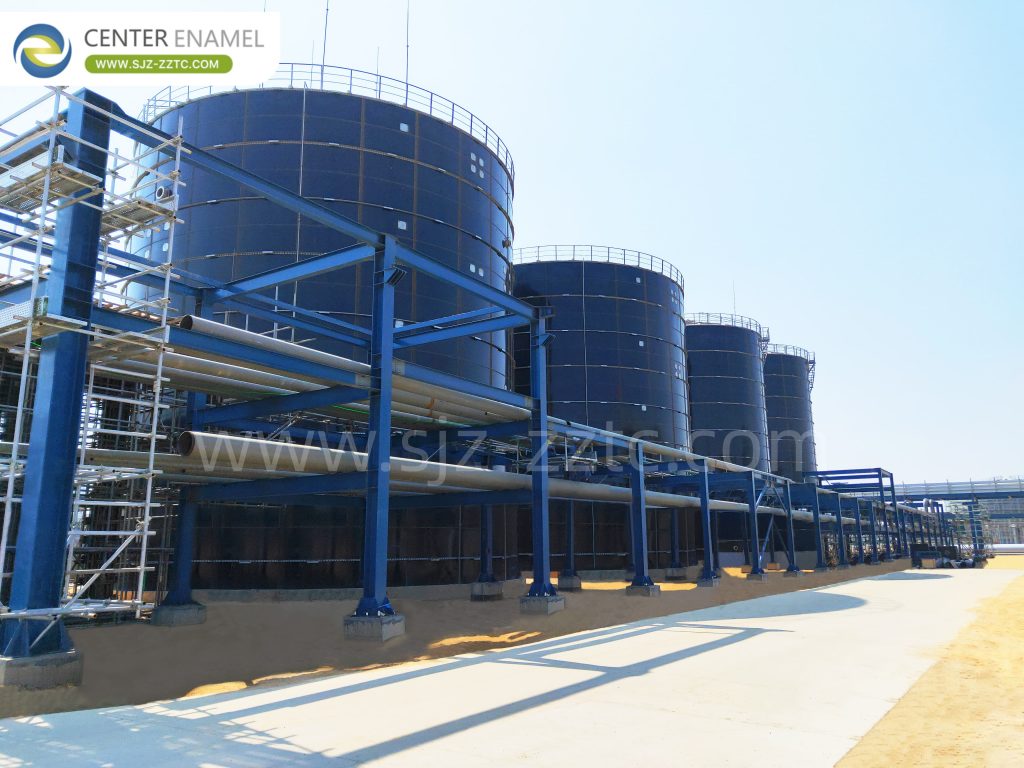
Unlike conventional aerobic treatment systems that require significant energy input for aeration, the UASB process operates without oxygen, consuming far less energy while producing valuable biogas as a byproduct. Today, thousands of full-scale UASB reactors are operating globally, treating wastewater from breweries, beverage factories, distilleries, food processing plants, pulp and paper mills, dairies, and many other industries .
What is the UASB Process?
The UASB process is a suspended-growth anaerobic digestion system that maintains an exceptionally high concentration of microbial biomass through a natural phenomenon called granulation. Under specific hydraulic conditions, anaerobic bacteria self-immobilize into dense, compact granules measuring 1-3 mm in diameter. These granules settle rapidly, allowing the reactor to retain high biomass concentrations—typically 50 g/L or higher—even with short hydraulic retention times (HRT) of just 4-8 hours .
This unique feature of the UASB process—the ability to separate solids retention time (SRT) from hydraulic retention time (HRT)—is what makes it so efficient. While the liquid passes through the reactor in hours, the active biomass remains inside for days or weeks, continuously degrading organic pollutants.
How Does the UASB Reactor Work?
Reactor Configuration
A typical UASB reactor consists of three main zones:
| Zone | Location | Function |
| Sludge Bed Zone | Bottom of reactor | Contains dense granular sludge blanket with highest concentration of active anaerobic microorganisms |
| Gas-Liquid-Solid (GLS) Separator | Top of reactor | Specialized three-phase separator that separates biogas, treated effluent, and sludge |
| Settling Zone | Below GLS separator | Allows small sludge particles to settle back into the reactor |
Operational Mechanism
The UASB process operates through a carefully balanced sequence:
Step 1: Influent Distribution
Wastewater is pumped into the bottom of the reactor through a uniform distribution system. This ensures even flow across the entire reactor cross-section, preventing short-circuiting and dead zones.
Step 2: Upflow Through the Sludge Blanket
The wastewater flows upward through the dense granular sludge bed. As it rises, anaerobic microorganisms come into intimate contact with organic pollutants, breaking them down through hydrolysis, acidogenesis, acetogenesis, and methanogenesis .
Step 3: Biogas Production and Mixing
Methane (CH₄) and carbon dioxide (CO₂) are produced as the organic matter degrades. The rising biogas bubbles create gentle hydraulic mixing within the sludge bed, enhancing contact between the biomass and the wastewater—without requiring any mechanical stirring.
Step 4: Three-Phase Separation
When the mixture reaches the top of the reactor:
Biogas is collected in gas domes and directed to the gas collection system
Granules strike the inclined walls of the GLS separator, releasing trapped gas bubbles and settling back into the sludge bed
Treated effluent flows over weirs and exits the reactor
Step 5: Effluent Discharge
The clarified effluent, now with significantly reduced organic content (typically 80-95% COD removal), exits the reactor for optional post-treatment .
Key Design Parameters and Operating Conditions
| Parameter | Typical Range | Notes |
| Organic Loading Rate (OLR) | 5-15 kg COD/m³·day | Can be higher with modified designs |
| Hydraulic Retention Time (HRT) | 4-12 hours | Compact footprint advantage |
| Upflow Velocity | 0.5-1.5 m/h | Balances bed expansion with granule retention |
| Temperature | 15-40°C | Mesophilic (30-40°C) optimal; psychrophilic possible |
| pH Range | 6.8-7.2 | Optimal for methanogenic activity |
| COD Removal | 75-95% | Varies by wastewater and operating conditions |
Advantages of the UASB Process
Low Energy Consumption
Because the UASB process requires no aeration and typically no mechanical mixing (biogas mixing is sufficient), energy consumption is dramatically lower than aerobic systems.
Biogas Recovery
The methane-rich biogas (typically 55-75% CH₄) produced during treatment can be captured and used for:
Electricity generation
Boiler fuel for steam production
Heating the reactor itself
Combined heat and power (CHP) applications
This energy recovery significantly offsets operational costs and reduces the facility's carbon footprint.
Low Sludge Production
Anaerobic processes convert only 5-10% of organic matter into sludge, compared to 30-50% in aerobic systems. This dramatically reduces sludge handling and disposal costs.
Small Footprint
The combination of high biomass concentration and short HRT means UASB reactors require significantly less land area than conventional treatment systems.
Operational Stability
The UASB process is robust and stable under various conditions. Research has shown that UASB reactors maintain high COD removal efficiency under both steady-state and transient conditions, with very short recovery times after shock loads .
Applications of UASB Technology
The UASB process is particularly well-suited for treating high-strength industrial wastewater, including:
| Industry | Typical Wastewater Characteristics |
| Breweries & Beverages | High sugar and alcohol content |
| Distilleries | Very high COD, acidic pH |
| Food Processing | Variable organic loads, fats and oils |
| Dairy Plants | High BOD, fats, proteins, lactose |
| Pulp and Paper | Lignin derivatives, high COD |
| Cassava/Tapioca Starch | High suspended solids, acidic |
| Slaughterhouses | High suspended solids, blood, fats |
UASB vs. CSTR: Understanding the Difference
While both UASB and CSTR (Continuously Stirred Tank Reactor) are anaerobic technologies, they serve different applications:
| Parameter | UASB Process | CSTR Process |
| Suitable Feedstock | Low to medium solids (<3% TSS) | High solids (8-12% TS) |
| Mixing Mechanism | Hydraulic (biogas bubbles) | Mechanical stirrer |
| HRT | Short (4-12 hours) | Longer (15-30 days) |
| Footprint | Small | Larger |
| Investment Cost | Lower | Higher |
| Best For | Industrial wastewater | Manure, food waste, high-solids feedstocks |
Limitations and Considerations
While the UASB process offers many advantages, there are important considerations:
Long Start-Up Period: Achieving stable granular sludge formation can take several months (typically 90-180 days), especially without mature granular inoculum. Using mature granular sludge can significantly shorten this period to 30-60 days .
Post-Treatment Requirements: UASB effluent often requires further aerobic treatment to meet stringent discharge standards for nutrients, pathogens, and residual organics.
Temperature Sensitivity: Performance declines at low temperatures, though reactor design can compensate. Studies have shown that optimizing operational parameters can achieve high removal efficiencies even at psychrophilic temperatures .
Sulfide Odor Issues: If wastewater contains high sulfate concentrations, hydrogen sulfide (H₂S) can cause odor and corrosion problems.
Frequently Asked Questions (FAQ)
Q1: How long does it take to start up a UASB reactor?
A: The start-up period for a UASB reactor typically ranges from 90 to 180 days, depending on the quality of inoculum used. Using mature granular sludge from an existing UASB reactor can significantly shorten this period to 30-60 days. Proper inoculation strategies and operational parameter control are essential for successful start-up .
Q2: Can the UASB process handle wastewater with high suspended solids?
A: The UASB process is best suited for wastewater with low to moderate suspended solids (typically <3% TSS). For high-solids feedstocks like livestock manure or food waste, a CSTR (Continuously Stirred Tank Reactor) is generally more appropriate. However, for industrial wastewater with soluble organic loads, UASB is the preferred choice.
Q3: What post-treatment is needed after UASB digestion?
A: UASB effluent typically requires further treatment before discharge to meet environmental regulations. Common post-treatment options include activated sludge, stabilization ponds, biofilters, or sequencing batch reactors (SBR). These remove residual organic matter, nutrients (nitrogen and phosphorus), and pathogens .
Q4: What is the typical COD removal efficiency of a UASB reactor?
A: Well-operated UASB reactors typically achieve COD removal efficiencies of 75-95%, depending on wastewater characteristics and operating conditions. Optimized systems can achieve even higher removal rates, with studies reporting up to 84.1% COD removal .
Q5: What are the main design parameters for a UASB reactor?
A: Key design parameters include Organic Loading Rate (OLR) of 5-15 kg COD/m³·day, Hydraulic Retention Time (HRT) of 4-12 hours, upflow velocity of 0.5-1.5 m/h, and operating temperature in the mesophilic range (30-40°C). The gas-liquid-solid (GLS) separator is a critical component that must be properly designed to retain biomass while allowing biogas and treated effluent to exit .
Q6: Is the UASB process suitable for treating municipal wastewater?
A: Yes, UASB reactors have been successfully applied for municipal wastewater treatment, particularly in tropical and subtropical regions with warmer temperatures. Research has shown that UASB reactors can treat sewage with COD as low as 200 mg/L and HRT as low as 2 hours, with maximum efficiency achieved at HRT longer than 4 hours and COD influent higher than 300 mg/L