
What is the Waste of Poultry Slaughter? A Complete Guide to Byproducts and Wastewater Treatment
The global poultry industry is a cornerstone of food production, providing affordable protein to billions. However, the process of converting live birds into packaged meat generates a significant amount of waste. For plant operators, environmental engineers, and regulatory bodies, understanding what is the waste of poultry slaughter is the first step toward sustainable operation.
The waste stream from a poultry processing plant is complex, high in organic load, and potentially hazardous if mismanaged. It is not just "dirty water"; it is a mixture of fats, proteins, blood, feathers, and suspended solids. Proper treatment is not merely a regulatory requirement—it is an opportunity for resource recovery and cost savings.
This article explores the composition of poultry slaughter waste, the specific challenges it presents, and how modern wastewater treatment technologies, including solutions from Center Enamel, are revolutionizing the industry.
Understanding the Composition of Poultry Slaughter Waste
To answer the question, what is the waste of poultry slaughter, we must first look at the numbers. A typical processing plant produces between 15 to 50 liters of wastewater per bird processed, depending on the efficiency of the water conservation systems in place.
Primary Components:
Blood: High in Biochemical Oxygen Demand (BOD) and Chemical Oxygen Demand (COD). Blood contains proteins that are difficult to break down aerobically without pre-treatment.
Fats and Grease: Rendered fats (yellow grease) are present in high concentrations, which can clog pipes and inhibit biological treatment processes if not removed early.
Feathers: While often processed into feather meal, feathers frequently enter the wastewater stream as "floatables."
Suspended Solids (SS): This includes meat trimmings, skin particles, and bone dust.
Pathogens: Salmonella and E. coli are common concerns, necessitating disinfection processes.
Because poultry waste is highly "putrescible" (quick to decompose), it consumes dissolved oxygen rapidly, posing a severe threat to aquatic life if released untreated.
The Environmental Impact of Untreated Slaughterhouse Effluent
If the question "what is the waste of poultry slaughter" is answered solely in terms of volume, we miss the environmental gravity. The high organic load (BOD levels often exceed 1,500 mg/L) causes eutrophication in receiving water bodies. When organic matter decomposes, it depletes dissolved oxygen, creating "dead zones."
Furthermore, the nitrogen and phosphorus content in poultry waste fuels algae blooms. Elevated levels of chloride and sodium from cleaning agents used in the facility also contribute to soil salinization when effluent is improperly land-applied.
Regulatory Pressure: Governments worldwide, particularly the EPA in the US and the EU Water Framework Directive, have strict limits on BOD, COD, TSS (Total Suspended Solids), and FOG (Fats, Oils, and Grease) levels. Non-compliance results in heavy fines and operational shutdowns.
Primary Treatment: Screening and Dissolved Air Flotation (DAF)
The first step in managing poultry slaughter waste is physical separation. Understanding what is the waste of poultry slaughter at the mechanical level allows for efficient removal of bulk solids.
Screening: Rotary drum screens or bar screens remove feathers, large scraps, and offal. These solids are often sent to rendering plants to be converted into pet food or biodiesel.
Dissolved Air Flotation (DAF): This is the workhorse of primary poultry wastewater treatment. DAF systems introduce micro-bubbles into the wastewater, which attach to grease, fats, and fine suspended solids, floating them to the surface. Here, a skimmer removes the sludge layer.
Chemical Enhancement: Coagulants (like aluminum sulfate) and flocculants (polymers) are often added to the DAF system to aggregate smaller particles, improving removal efficiency to up to 90% for fats and oils.
Secondary Treatment: Biological Processes (Aerobic and Anaerobic)
After primary clarification, the water still contains high levels of dissolved organic matter. This is where biological treatment comes into play.
Aerobic Treatment (Activated Sludge): This process uses oxygen-loving bacteria to break down organic pollutants. In poultry wastewater, however, the high oil content can cause filamentous bulking (poor settling). Extended aeration systems are often recommended.
Anaerobic Treatment: Because the wastewater is "hot" (high organic load), anaerobic digestion is increasingly popular. It converts organic pollutants into biogas (methane) and CO2.
Benefits: Produces renewable energy.
Challenges: Requires careful management of ammonia and sulfide toxicity.
Most large-scale plants use a combination: Anaerobic for the bulk load reduction, followed by Aerobic polishing to meet stringent discharge standards.
Advanced Tertiary Treatment: Nutrient Removal and Disinfection
Even after secondary treatment, poultry wastewater often contains nitrogen and phosphorus levels that exceed limits for direct discharge into sensitive waters.
Nitrogen Removal: Nitrification/Denitrification processes convert ammonia to nitrogen gas.
Phosphorus Removal: Chemical precipitation using ferric chloride or aluminum salts binds phosphorus into insoluble compounds that are removed as sludge.
Disinfection: Ultraviolet (UV) light or chlorine dosing is applied to eliminate pathogenic bacteria, ensuring the water is safe for discharge or reuse.
Many poultry plants are now moving toward "Zero Liquid Discharge" (ZLD), using Reverse Osmosis (RO) for water recycling within the facility.
Sludge Management and Resource Recovery
When we ask what is the waste of poultry slaughter, the answer isn't just liquid. The primary and secondary treatment processes generate a significant amount of sludge—a thick, semi-solid material rich in organic matter.
Sludge Thickening: Gravity belt thickeners increase the solids content.
Dewatering: Filter presses or centrifuges remove water from the sludge to create a "cake."
Disposal/Reuse: Land application (as fertilizer) is common, though strict regulations limit this due to heavy metals and pathogens. Incineration or anaerobic digestion of the sludge are preferable "waste-to-energy" pathways.
Resource Recovery: The fats removed during DAF are often sold as "yellow grease" for industrial use, reducing the overall waste footprint and generating revenue.
The Role of Storage and Equalization in Treatment Efficiency
One critical aspect often overlooked is the "equalization" step. Poultry plants work in batches—slaughtering occurs during specific shifts, creating "surges" of high-strength waste.
Equalization Tanks: These balance the flow and load, ensuring that the biological treatment downstream does not receive shock loads of high BOD or pH fluctuations. This is where robust, corrosion-resistant storage infrastructure is essential.
Center Enamel: Your One-Stop Solution for Poultry Wastewater Treatment
With decades of experience in the storage and environmental engineering sector, Center Enamel understands the unique challenges that poultry processors face. We provide comprehensive, customized solutions to manage every aspect of your wastewater treatment process, addressing the core question of what is the waste of poultry slaughter with engineered precision.
Our Portfolio:
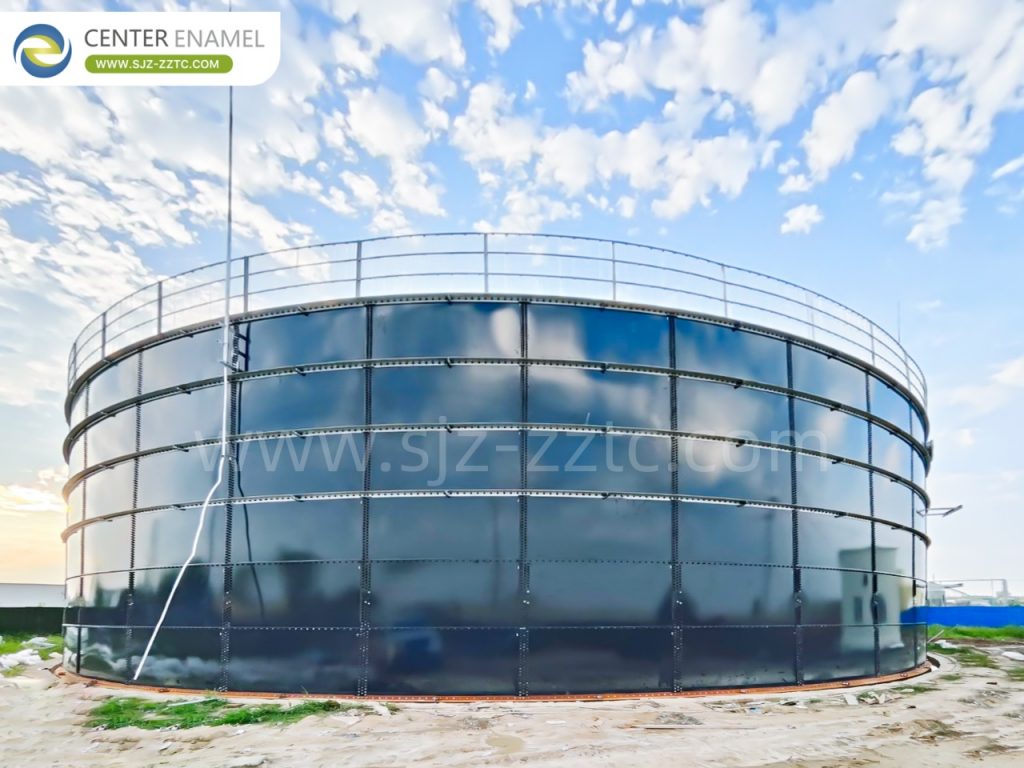
Glass-Fused-to-Steel Tanks: The gold standard for wastewater storage. These tanks are highly resistant to the corrosive nature of poultry wastewater (high chloride and sulfide content) and provide leak-proof storage for equalization, anaerobic digestion, and sludge storage.
Integration with DAF and Biological Systems: We don't just supply tanks; we engineer integrated systems. Whether you need a primary clarifier or a covered anaerobic digester, our tanks are designed to pair seamlessly with modern treatment equipment.
Eco-Friendly Materials: Our Glass-Fused-to-Steel (GFS) enamel is fired at 800°C, offering a smooth, non-porous surface that is easy to clean and prevents bacterial growth, ensuring hygiene standards are maintained.
Turnkey Engineering: Center Enamel offers complete project management, from site surveying and civil design to installation supervision and commissioning.
By partnering with Center Enamel, poultry processors can ensure they meet EPA guidelines, reduce their carbon footprint, and lower operating costs through improved water reuse and biogas capture. Our tanks are built to last, offering a cost-effective, sustainable solution for the lifecycle of your facility.
Frequently Asked Questions (FAQ)
Q1: What is the BOD level of raw poultry slaughterhouse wastewater?
A: The BOD (Biochemical Oxygen Demand) of raw poultry wastewater typically ranges from 1,200 mg/L to over 2,500 mg/L. Due to the presence of blood and fat, this load is significantly higher than domestic sewage, requiring robust pre-treatment and biological systems to reduce it to below 30 mg/L for discharge.
Q2: Can poultry slaughter waste be used for biogas production?
A: Yes. The anaerobic digestion of poultry wastewater produces biogas (primarily methane). Because the wastewater is rich in lipids and proteins, it has high biogas potential. Center Enamel provides Glass-Fused-to-Steel tank covers designed to capture this gas, allowing facilities to convert waste into on-site energy for heating boilers or generating electricity.
Q3: What are the main regulatory parameters for poultry slaughterhouse discharge?
A: The key parameters monitored by environmental agencies include BOD (Organic matter), COD, TSS (Suspended Solids), FOG (Fats, Oils, and Grease), Nitrogen (Ammonia), and Phosphorus. FOG is often the most scrutinized parameter, as it can solidify and cause blockages in municipal sewer systems, usually limited to less than 100 mg/L.