
What Is Wastewater Treatment for Food Industry?
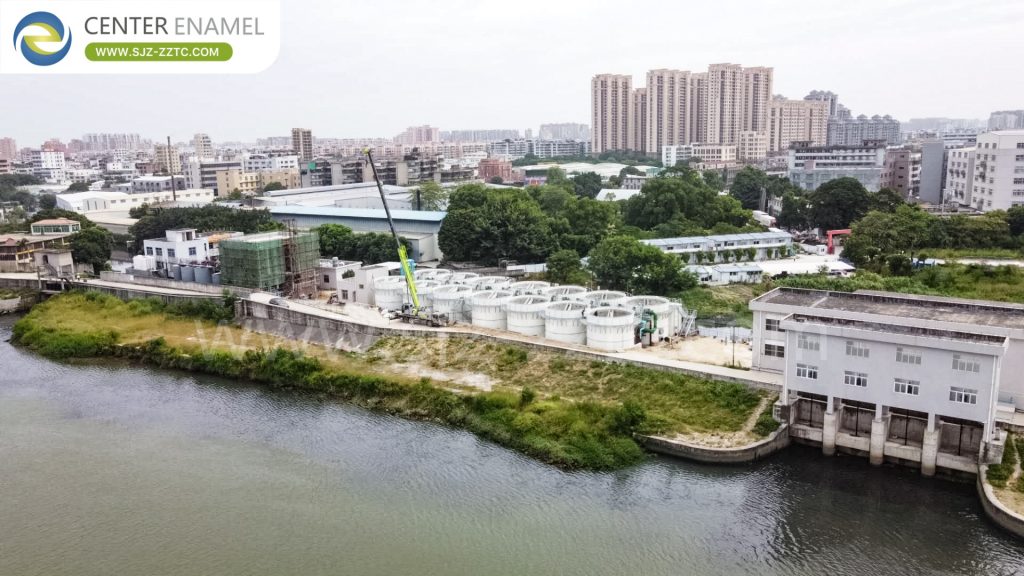
The food processing industry is one of the world's largest consumers of freshwater and producers of wastewater . As global water scarcity intensifies and environmental regulations tighten, treating industrial effluent has become a strategic necessity rather than a mere compliance obligation . Food industry wastewater is unique-it is rich in organic matter, biodegradable, and presents both environmental challenges and opportunities for resource recovery. This article explores what food industry wastewater treatment entails, why it matters, and how modern solutions are transforming waste into valuable resources.
What Is Food Industry Wastewater?
Food industry wastewater is water that has been used during food processing and has become contaminated with organic and inorganic substances. It originates not only from production processes but also from cleaning operations, equipment rinsing, cooling systems, and general facility water usage . Depending on the sub-sector, it may contain high levels of suspended solids, fats, oils, grease (FOG), proteins, carbohydrates, sugars, and nutrients like nitrogen and phosphorus.
Key Characteristics of Food Processing Effluent
| Parameter | Typical Range | Environmental Impact |
| BOD (mg/L) | 1,500–10,000 | High oxygen depletion in receiving waters |
| COD (mg/L) | 2,000–15,000 | Indicates high organic and chemical load |
| TSS (mg/L) | 500–5,000 | Contributes to sludge accumulation |
| Nitrogen (mg/L) | 50–500 | Eutrophication in aquatic ecosystems |
| Phosphorus (mg/L) | 10–200 | Accelerates algae growth |
The food processing industry generates approximately 380 billion cubic meters of wastewater globally each year, with Asian countries contributing the largest share . The composition of this wastewater varies significantly by sector-dairy processing produces high-lactose effluent with milk fats, meat processing generates protein-rich wastewater with blood and fats, and fruit and vegetable processing yields high-sugar and suspended solid loads .
Why Is Food Industry Wastewater Treatment Essential?
Environmental Protection
Untreated food processing wastewater poses severe threats to aquatic ecosystems. Its high organic content depletes dissolved oxygen in receiving waters, leading to fish kills and biodiversity loss. Nutrients such as nitrogen and phosphorus cause eutrophication, triggering harmful algal blooms that further degrade water quality .
Regulatory Compliance
Environmental authorities worldwide enforce strict discharge limits for BOD, COD, suspended solids, nitrogen, and phosphorus. Failure to meet these standards can result in significant fines, operational restrictions, and reputational damage. In many jurisdictions, new factories must build on-site treatment facilities as a condition of planning approval .
Economic Considerations
Food manufacturers face significant costs for wastewater disposal through public sewer systems. Charges are typically calculated using formulas based on effluent volume and contaminant concentration-such as the Mogden Formula in the UK . By investing in on-site treatment, companies can dramatically reduce these fees. Additionally, resource recovery (biogas production, water recycling) creates new revenue streams and operational savings.
Water Scarcity and Sustainability
With projections suggesting 40% of the global population will face freshwater shortages by 2030, water reuse has become a business imperative . Food manufacturers that treat and recycle water on-site reduce their dependence on municipal supplies and protect their operations against future water constraints.
Biological Treatment: The Core of Food Industry Wastewater Management
Biological treatment is the most widely used approach for food industry wastewater due to its cost-effectiveness and sustainability. It harnesses microorganisms to break down organic pollutants into harmless byproducts such as carbon dioxide, water, and biomass .
Aerobic Treatment Processes
Aerobic treatment uses oxygen-consuming microorganisms to metabolize organic matter. Key systems include:
Activated Sludge Systems: Widely recognized for their efficiency, these systems achieve 85-95% BOD removal. They require aeration tanks and secondary clarifiers, with dissolved oxygen levels maintained above 2 mg/L .
Sequencing Batch Reactors (SBRs): Operating in batch mode with alternating aeration and sedimentation phases, SBRs are highly versatile and suitable for facilities with variable wastewater flow rates. Studies have demonstrated over 90% BOD removal efficiency in vegetable processing applications .
Trickling Filters: These systems use microbial biofilms on solid media and are effective for low-strength wastewater .
Anaerobic Treatment Processes
Anaerobic treatment occurs in the absence of oxygen and is particularly advantageous for high-strength organic wastewater. Key benefits include:
Biogas Production: Methane-rich biogas can be captured and used for combined heat and power generation .
Low Energy Requirements: Anaerobic processes consume less energy than aerobic systems.
Reduced Sludge Production: Anaerobic systems generate significantly less residual sludge.
Upflow Anaerobic Sludge Blanket (UASB) Reactors: These compact systems achieve 85-90% COD removal and are widely used in beverage and food processing applications .
Internal Circulation (IC) Reactors: High-rate anaerobic technology that handles volumetric loading rates 3-5 times higher than traditional reactors, ideal for space-constrained facilities .
Low-Temperature Anaerobic Digestion (LtAD): Recent full-scale studies have demonstrated that anaerobic systems can achieve over 80% COD removal even at temperatures below 12°C, offering promising solutions for facilities in cooler climates .
Physical and Chemical Treatment Methods
While biological treatment handles the bulk of organic load, physical and chemical processes are essential for pre-treatment, polishing, and specialized contaminant removal.
Pre-Treatment and Primary Treatment
Equalization: Balances flow and load variations, protecting downstream biological systems from shock loads .
Dissolved Air Flotation (DAF): Effectively removes fats, oils, grease, and suspended solids-critical for meat, dairy, and rendering facilities .
pH Neutralization: Food industry effluents often experience pH fluctuations due to cleaning-in-place (CIP) chemical cycles. Maintaining optimal pH (6.5-8.5) is essential for biological treatment system health .
Advanced Treatment
Membrane Bioreactors (MBR): Combining biological treatment with membrane filtration, MBRs achieve near-complete pollutant removal and produce high-quality effluent suitable for reuse .
Membrane Filtration (UF/RO): Reverse osmosis and ultrafiltration systems enable water recycling for non-potable applications such as cleaning and irrigation .
The Economics of Food Wastewater Treatment
Food manufacturers face significant financial incentives to treat wastewater on-site:
Reduced Disposal Costs: The Mogden Formula charges based on volume, COD, and suspended solids. Pre-treating wastewater before discharge can substantially reduce these fees .
Water Recycling Savings: Treated water can be reused for washdown, floor cleaning, and cooling, cutting freshwater consumption .
Energy Recovery: Anaerobic digestion generates biogas that can fuel on-site boilers or power generation, offsetting energy costs .
Regulatory Risk Mitigation: On-site treatment ensures compliance and avoids penalties.
Challenges in Food Industry Wastewater Treatment
Despite its benefits, food wastewater treatment presents several challenges:
Variability and Shock Loads
Seasonal production changes, product line modifications, and cleaning cycles cause significant fluctuations in wastewater volume and composition. Biological systems require stable conditions; sudden changes can damage microbial populations .
Temperature Sensitivity
Biological treatment systems are sensitive to temperature extremes. While mesophilic conditions (30-40°C) are ideal, many facilities experience temperature variations, particularly in colder climates .
Nutrient Management
Anaerobic treatment efficiently removes carbon but has limited capacity for nitrogen and phosphorus removal. Food processors must often incorporate nitrification/denitrification stages to meet discharge limits .
High Organic Load
Some food sectors produce extremely high-strength wastewater (COD exceeding 15,000 mg/L), requiring robust treatment trains and specialized reactor designs .
Resource Recovery: The Future of Food Wastewater Treatment
The circular economy is reshaping wastewater treatment from a cost center into a value-generating operation.
Biogas Production
Anaerobic digestion converts organic pollutants into methane-rich biogas. Dairy and beverage facilities with high organic loads are ideal candidates for energy recovery. Biogas can power boilers, generate electricity, or be upgraded to renewable natural gas .
Water Reuse
Treated effluent can be recycled for:
Facility washdown and cleaning
Cooling tower makeup
Irrigation
In some cases, process water (with advanced treatment)
Nutrient Recovery
Nitrogen and phosphorus can be recovered and reused as fertilizers, reducing reliance on synthetic alternatives and supporting agricultural sustainability .
Biosurfactant and Biochemical Production
Emerging research demonstrates that food wastewater can serve as a feedstock for producing biosurfactants, enzymes, fatty acids, and single-cell protein for animal feed and human supplementation .
The Role of Infrastructure: Engineered Solutions for Reliable Treatment
Effective food wastewater treatment depends on durable, corrosion-resistant infrastructure capable of withstanding aggressive chemical environments. Industrial effluent-particularly from dairy, beverage, and meat processing-contains organic acids, cleaning chemicals, and corrosive gases such as hydrogen sulfide .
Glass-Fused-to-Steel (GFS) Tanks
Center Enamel's flagship GFS tanks are the global benchmark for wastewater treatment containment. By fusing high-tech glass enamel to specialized steel at temperatures exceeding 820°C, these tanks create a molecular bond that is virtually impervious to corrosion across the pH 1-14 range .
Key Advantages:
Chemical resistance to organic acids and CIP chemicals
Hygienic, smooth surface that prevents biofilm buildup
Rapid installation through modular bolted design
Compliance with ISO 28765, AWWA D103-09, and NSF/ANSI 61 standards
Double Membrane Roof Systems
For anaerobic reactors, Center Enamel's double membrane roof systems ensure zero methane leakage and efficient biogas capture. The inner gas-holding membrane and pressurized outer protective membrane maximize energy recovery while containing odors .
Center Enamel: Your Partner in Food Industry Wastewater Treatment
With over 10 years of innovation and projects in more than 100 countries, Center Enamel is a world leader in engineered storage and treatment infrastructure. As a turnkey EPC (Engineering, Procurement, and Construction) contractor, we provide comprehensive solutions for food and beverage wastewater treatment .
Why Choose Center Enamel?
Asia's Largest GFS Manufacturing Base: Ensuring precision engineering and on-time delivery
200+ Enamel Patents: Unmatched expertise in material science
International Standards: AWWA D103-09, ISO 28765, NSF/ANSI 61 compliance
Rapid Deployment: Modular design cuts construction time by up to 50%
Global Support: Service networks across 100+ countries
Conclusion
Food industry wastewater treatment is an essential, complex, and increasingly valuable process. From biological systems that break down organic pollutants to advanced infrastructure that captures energy and recycles water, modern treatment solutions enable food processors to meet environmental regulations, reduce costs, and contribute to a circular economy.
Partnering with an experienced infrastructure provider like Center Enamel ensures reliable, durable, and efficient treatment systems that protect both the environment and your bottom line.
Frequently Asked Questions (FAQs)
1. What are the main pollutants in food industry wastewater?
Food industry wastewater primarily contains high concentrations of organic matter (measured as BOD and COD), suspended solids, fats, oils, grease, and nutrients such as nitrogen and phosphorus. The exact composition varies by sector-dairy effluent is high in lactose and proteins, meat processing wastewater contains blood and fats, and fruit/vegetable processing generates high suspended solids and sugars .
2. Why is anaerobic digestion preferred for food wastewater treatment?
Anaerobic digestion is preferred because it efficiently treats high-strength organic wastewater while generating valuable biogas for energy recovery. It consumes less energy than aerobic systems and produces less residual sludge, making it both environmentally and economically advantageous for food processors with high organic loads .
3. What infrastructure is needed for effective food industry wastewater treatment?
Effective treatment requires corrosion-resistant storage and reactor vessels, such as Glass-Fused-to-Steel (GFS) tanks, equalization tanks for flow balancing, anaerobic reactors for organic removal, and biogas capture systems. Center Enamel provides comprehensive turnkey solutions including GFS tanks, epoxy-coated tanks, and double membrane roof systems designed specifically for aggressive industrial effluents .