
What Is Wastewater Treatment? Processes, Hazards, and Sustainable Solutions with Center Enamel
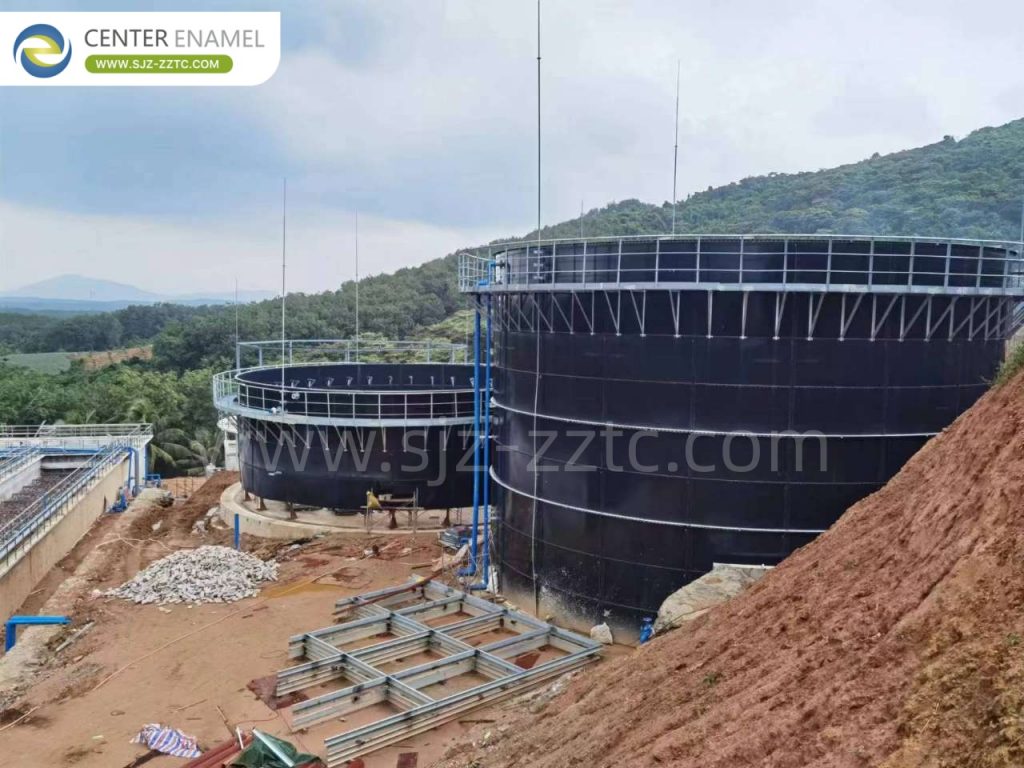
Wastewater treatment is the systematic process of removing physical, chemical, and biological pollutants from used water to make it safe for environmental discharge, reuse, or recycling. It is one of the most critical infrastructure systems for public health, ecological protection, and industrial sustainability across residential, commercial, agricultural, and industrial sectors. Without effective wastewater treatment, organic waste, toxic chemicals, pathogens, and nutrients would severely contaminate rivers, oceans, soil, and groundwater, creating irreversible environmental damage and serious public health risksUNEP.
This article explains what wastewater treatment is, major sources and hazards of wastewater, core anaerobic treatment technologies, and how Center Enamel Glass-Fused-to-Steel (GFS) Tanks provide superior performance for reliable, long-life wastewater treatment systems worldwide.
What Is Wastewater? Main Sources and Characteristics
Wastewater is any water degraded by human activities, including domestic, industrial, agricultural, and commercial use. It typically contains suspended solids, organic compounds, oils, pathogens, nutrients, and chemical contaminants.
1. Domestic Wastewater
Comes from households, offices, and communities—including toilets, kitchens, showers, and laundry. It contains organic waste, bacteria, oils, and detergents.
2. Industrial Wastewater
Generated by manufacturing, food processing, palm oil mills, textile, chemical, and livestock industries. Industrial wastewater often has extremely high COD/BOD, toxic compounds, oils, fibers, and acidic or alkaline conditions, making it the most difficult to treat.
3. Agricultural Wastewater
Includes livestock manure, crop runoff, and processing wastewater such as palm oil, cassava, and sugarcane effluent. It is rich in organic matter, suspended solids, and nutrients.
4. Urban Runoff
Rainwater that collects oil, sediment, chemicals, and debris from roads, rooftops, and industrial zones.
Each type of wastewater has unique characteristics, but all require professional treatment to avoid ecological harm.
Environmental and Public Health Hazards of Untreated Wastewater
Untreated wastewater causes severe, long-lasting damage to ecosystems and human health:
- Oxygen depletion: High organic load consumes dissolved oxygen in water, killing fish and aquatic life.
- Pathogen spread: Viruses, bacteria, and parasites contaminate drinking water sources, causing disease outbreaks.
- Eutrophication: Nitrogen and phosphorus trigger harmful algal blooms that destroy wetlands and coastal ecosystemsUNEP.
- Soil and groundwater pollution: Toxic chemicals and heavy metals accumulate in soil and leach into aquifers.
- Equipment corrosion: Acids, oils, and sulfides rapidly damage ordinary steel and concrete structures.
For industrial facilities and municipalities, wastewater treatment is not optional—it is legally required to meet discharge standards and avoid penalties.
What Is Wastewater Treatment? Core Processes
Wastewater treatment uses physical, biological, and chemical processes to remove pollutants in stages:
1. Preliminary & Primary Treatment
Physical separation to remove large solids, sediment, oil, and grease through screens, grit chambers, and sedimentation tanks.
2. Secondary Treatment (Biological Treatment)
Uses microorganisms to break down dissolved and colloidal organic matter. This is where anaerobic technologies play a central role in high-strength industrial wastewater treatment.
3. Tertiary Treatment
Advanced polishing for nutrient removal, disinfection, and reuse-quality water.
4. Sludge Treatment & Resource Recovery
Digests sludge to produce biogas and reduce volume, turning waste into energy.
Among all methods, anaerobic biological treatment is the most efficient and economical solution for high-organic industrial wastewater such as palm oil mill effluent (POME), food processing, livestock, and agricultural wastewater.
Advanced Anaerobic Technologies for Industrial Wastewater Treatment
Center Enamel integrates four proven anaerobic processes to treat high-strength wastewater efficiently:
1. USR Process (Upflow Solid-state Reactor)
Optimized for high suspended solids and oily wastewater. Uses hydraulic upflow to maintain a dense sludge bed without mechanical stirring, offering stable performance, low energy use, and high shock tolerance.
2. CSTR Process (Completely Stirred Tank Reactor)
Uses mechanical mixing to handle high-solid waste streams, preventing crusting and sedimentation. Ideal for mixed organic waste and zero-waste facilities.
3. UASB Process (Upflow Anaerobic Sludge Blanket)
Mature, reliable technology using a granular sludge bed for high-efficiency organic removal, widely used in Southeast Asia.
4. IC Process (Internal Circulation)
High-rate system with biogas-driven internal circulation, providing 3–5 times higher loading than conventional reactors for large-scale industrial hubs.
These anaerobic systems convert organic pollutants into methane-rich biogas for electricity or heat, turning wastewater into a valuable energy resource.
Center Enamel GFS Tanks: The Optimal Solution for Wastewater Treatment
The core of any stable wastewater system is a durable, corrosion-resistant reactor tank. Center Enamel’s
Glass-Fused-to-Steel (GFS) Tanks are globally trusted for wastewater treatment due to unparalleled advantages:
1. Extreme Corrosion Resistance
Fused at over 820°C, glass and steel form an inert barrier resistant to pH 1–14. It withstands organic acids, oils, sulfides, and corrosive wastewater that destroys painted steel or concrete within years.
2. 30+ Years Service Life
Smooth enamel surface resists fouling, scaling, and microbial attack. No repainting or refurbishment is needed, drastically lowering lifecycle costs.
3. Seismic & Weather Stability
Bolted modular design offers superior flexibility vs. rigid concrete, performing reliably in high humidity, coastal salt spray, strong UV, and seismic zones.
4. Fast, Modular Installation
Factory-prefabricated panels use hydraulic jacking for top-down assembly. No on-site welding or heavy cranes, cutting installation time by up to 50%.
5. Full International Compliance
Certified to ISO 28765, AWWA D103-09, NSF/ANSI 61, and OSHA. Every plate passes 1500V spark testing to ensure zero defects.
6. Leak-proof & Eco-friendly
Gas- and liquid-tight design eliminates leakage and biogas emissions, fully complying with strict environmental regulations.
GFS tanks are widely used as anaerobic reactors, equalization tanks, effluent storage, and biogas digesters in municipal and industrial wastewater projects.
Why Center Enamel Is a Trusted Wastewater Treatment Partner
As a leading provider of wastewater treatment tanks and solutions, Center Enamel delivers:
- Proprietary enamel formulas with 200+ patents for superior chemical resistance
- Asia’s largest GFS tank manufacturing base for reliable quality and delivery
- Localized engineering for tropical, coastal, and seismic environments
- Full-cycle support from design and manufacturing to installation and after-sales service
- Proven performance in palm oil, food, livestock, municipal, and chemical wastewater projects worldwide
Conclusion
What is wastewater treatment? It is the foundation of public health and ecological security, transforming harmful wastewater into safe effluent and recoverable resources. For industrial and municipal applications, advanced anaerobic technologies combined with Center Enamel GFS tanks provide the most durable, efficient, and cost-effective solution available.
By choosing Center Enamel, clients achieve long-term operational stability, strict regulatory compliance, energy self-sufficiency through biogas recovery, and minimized environmental impact. We are committed to advancing global water sustainability with reliable, innovative wastewater treatment solutions.