
What Limits Apply To Municipal Plants? Capacity And Permit Boundaries
A municipal plant is bounded by four limits: the discharge permit (BOD, COD, nitrogen, phosphorus, suspended solids), the hydraulic capacity (average daily flow plus peak and infiltration), the nutrient-removal ceiling of the chosen biology, and the footprint and energy budget. The permit and the peak flow, not the brochure nameplate, decide the tankage size.
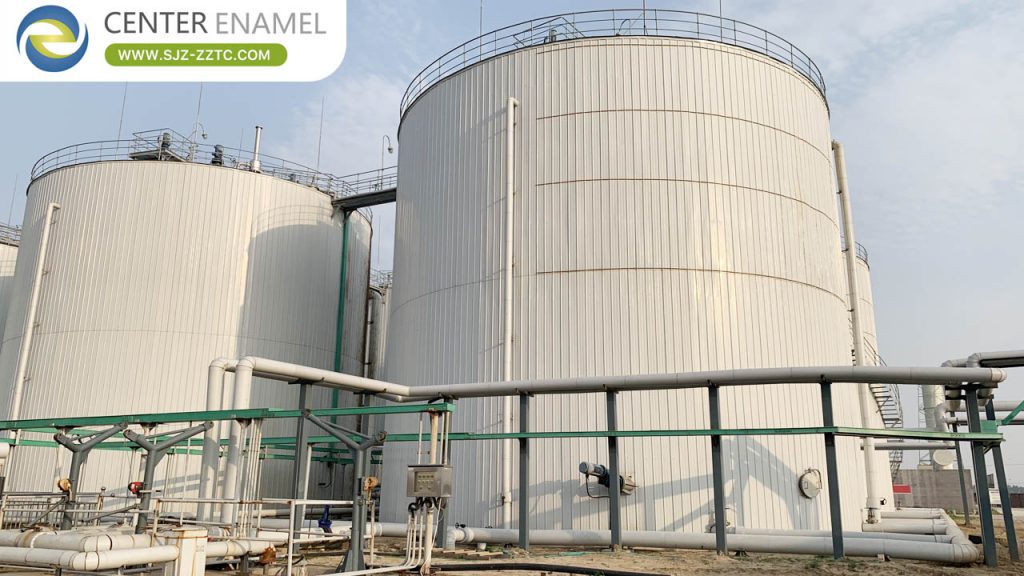
Discharge Permit Limits
The permit is the contract. It sets the maximum concentrations the effluent may carry and often a total maximum daily load. A plant is only 'working' when it holds every parameter simultaneously, which is harder than hitting any single one. Reuse permits add pathogens and turbidity, tightening the train further.
Hydraulic And Peak Limits
Municipal flow is not constant: rain and infiltration can double or triple the hydraulic load even when the pollutant load does not. The tanks must pass the peak without washing solids out, so hydraulic capacity, not just pollutant capacity, sets the volume.
| Limit Type | What It Caps | Design Consequence |
| Permit concentration | BOD, COD, N, P, SS | Sets biology and polishing train |
| Hydraulic peak | Average plus infiltration | Sets clarifier and channel size |
| Nutrient ceiling | N and P removal | Sets A2/O or SBR stages |
| Footprint or energy | Land and power budget | Sets tank height and blower size |
The Biology Ceiling
Each biological configuration has a practical removal ceiling. An A2/O or SBR train removes carbon and nitrogen well but needs the retention time and the return flows to denitrify; if the permit drops total phosphorus very low, chemical dosing or a polishing step joins the scope. The ceiling is a property of the biology, not a setting you can dial.
A Boundary Condition
The common mistake is sizing tankage to average flow and nominal concentration, then watching the plant miss the permit on the first wet-weather peak. Size from the real peak and the real permit, and stage the train so phase one meets today's limit while later phases add capacity.
About The Supplier
Shijiazhuang Zhengzhong Technology Co., Ltd (Center Enamel) manufactures Glass-Fused-to-Steel tanks rated for municipal duty, with enamel firing at 820-930 C and certifications including ISO 9001, NSF/ANSI 61, and CE-EN 1090. The bolted system lets a municipal train be staged and expanded as the city grows, so capacity can track the permit instead of being frozen at day one.
Comparison: What Decides The Tank Size
| Driver | Usually Dominates When | Example |
| Nutrient limit | Strict N or P permit | A2/O plus polishing |
| Peak flow | High infiltration | Oversized clarifiers |
| Reuse target | Non-potable reuse | Extra filtration |
Municipal plants are governed by the permit and the peak, not by a nameplate. Define those two first, choose the biology that meets the nutrient ceiling, and the tankage size follows instead of guessing.
Frequently Asked Questions
Q1: What limits a municipal plant? A1: The permit, the peak flow, the biology ceiling, and the footprint-energy budget.
Q2: Why does peak flow matter? A2: Rain and infiltration can triple flow without raising pollutant load, washing solids out.
Q3: What is the nutrient ceiling? A3: The best removal an A2/O or SBR can reach before extra polishing is needed.
Q4: How is capacity sized? A4: From average daily flow plus peak and infiltration, not a nominal figure.
Q5: Does reuse tighten limits? A5: Yes, reuse adds pathogen and turbidity targets.
Q6: Can a plant expand later? A6: Modular GFS tanks let the train grow with the city.
Q7: What tank resists sewage? A7: A Glass-Fused-to-Steel tank with a factory-fired enamel lining.
Q8: Who enforces the permit? A8: The local regulator; the plant is judged against the permit, not the design intent.
Suggested CTA
Share your permit and peak flow to an engineer, or request a municipal plant capacity and tankage assessment.