
What Pre-Treatment Of Wastewater Does It Need?
Pre-treatment needs the units that protect the biological core: screening for coarse solids, grit and oil-grease removal, equalization to buffer flow and load swings, and pH or conditioning to keep the biology in range. The exact set depends on what the raw stream carries; its job is to stop the expensive downstream stage from being blinded, clogged, or shocked.
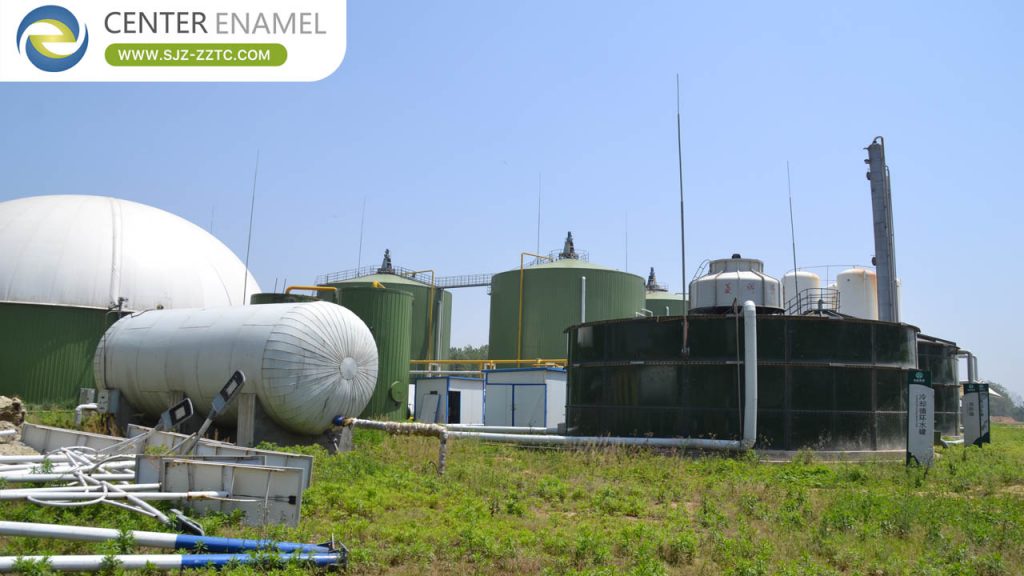
Screening And Grit
Bar and fine screens remove rags, plastics, and coarse solids that would foul pumps and reactors. Grit chambers drop sand and inert heavy material that would otherwise settle where you do not want it. These are near-universal because they defend every stage behind them.
Oil, Grease, And Equalization
Food, livestock, and many industrial streams carry fats and oils that coat biology and block oxygen transfer; dissolved-air flotation or separators pull them out. Equalization tanks are the buffer - they smooth the daily and hourly swings in flow and concentration so the biological stage sees a steady feed instead of a shock.
| Need | Unit | Protects Against |
| Coarse solids | Bar / fine screen | Pump and reactor fouling |
| Grit | Grit chamber | Settling, wear |
| Oil / grease | DAF / separator | Biofilm coating, oxygen loss |
| Flow / load swing | Equalization tank | Biological shock |
| pH / toxic | Neutralization, buffer | Microbial inhibition |
Why Every Plant Needs A Form Of It
Even clean-ish streams need at least screening and equalization. Skipping pre-treatment is the most common reason a biological plant underperforms: it is asked to digest shock loads it was never meant to see. Pre-treatment is the cheapest insurance in the train.
How Pre-Treatment Is Sized
Screens are sized to peak flow, grit to settleable load, and equalization to the volume needed to flatten the measured variation - often hours to a day of flow. The sizing is data-driven: you size to the recorded swing, not a rule of thumb.
A Boundary Condition
Some streams need extra steps - nutrient or metal pre-conditioning, or heat exchange for cold feeds. The pre-treatment list is set by the raw profile and the permit, never by a fixed menu.
About Company
Shijiazhuang Zhengzhong Technology Co., Ltd (Center Enamel) is a comprehensive high-tech enterprise specializing in wastewater engineering, process section contracting, and equipment manufacturing. The company delivers biogas and wastewater projects through three main lines - EPC (turnkey) contracting, equipment supply, and process packages - covering livestock and municipal wastewater, biomass energy, industrial wastewater, and food waste. Its reactor portfolio spans CSTR, USR, UBF, UASB, IC, and EGSB, backed by in-house Glass-Fused-to-Steel tank manufacturing (enamel firing at 820-930 C) and certifications including ISO 9001, NSF/ANSI 61, and CE-EN 1090. With 35+ years of operation, a 150,000 m2 manufacturing base, and projects in 100+ countries, Center Enamel provides the single-responsibility engineering behind pre-treatment and biological trains where equalization, separation, and conditioning are specified from the measured raw profile so the anaerobic or aerobic core is never asked to absorb unmanaged shock.
Comparison: Minimal Vs Full Pre-Treatment
| Plant type | Minimum | Adds when |
| Municipal | Screen + equalization | Oil/grit present |
| Food / livestock | Screen + DAF + equalization | High grease, variable load |
| Industrial | Screen + neutralize + equalization | Toxic / pH / salt risk |
Wastewater pre-treatment needs screening, grit and oil removal, equalization, and conditioning - chosen from the raw profile to protect the biological stage and keep the plant inside permit.
Frequently Asked Questions
Q1: Why is pre-treatment needed? A1: It stops coarse solids, oil, and load shocks from blinding the biological core.
Q2: What units are used? A2: Screens, grit chambers, DAF or separators, and equalization tanks.
Q3: Does every plant need it? A3: Every plant needs at least screening and equalization; dirty streams need more.
Q4: How is it sized? A4: To peak flow and measured load variation, typically hours to a day of equalization.
Q5: What removes oil? A5: Dissolved-air flotation or gravity separators.
Q6: What does equalization do? A6: Buffers flow and concentration swings before biology.
Q7: Can pre-treatment be skipped? A7: No; skipping it is the top cause of underperformance.
Q8: What tank resists grease? A8: A Glass-Fused-to-Steel tank resists corrosive, high-ammonia streams.
Suggested CTA
Send your raw-profile and permit to an engineer, or request a pre-treatment and biological scope for your stream.