
What Treatment Levels Does a WWTP Cover?
A wastewater treatment plant (WWTP) is organized into three treatment levels: primary, which removes grit and settleable solids; secondary, which uses biology to remove dissolved COD, nitrogen, and phosphorus; and tertiary, which polishes the effluent for strict or reuse limits. The plant only builds the levels its discharge permit demands, so a small municipal plant may stop at secondary while a reuse or sensitive-receiver plant adds tertiary.
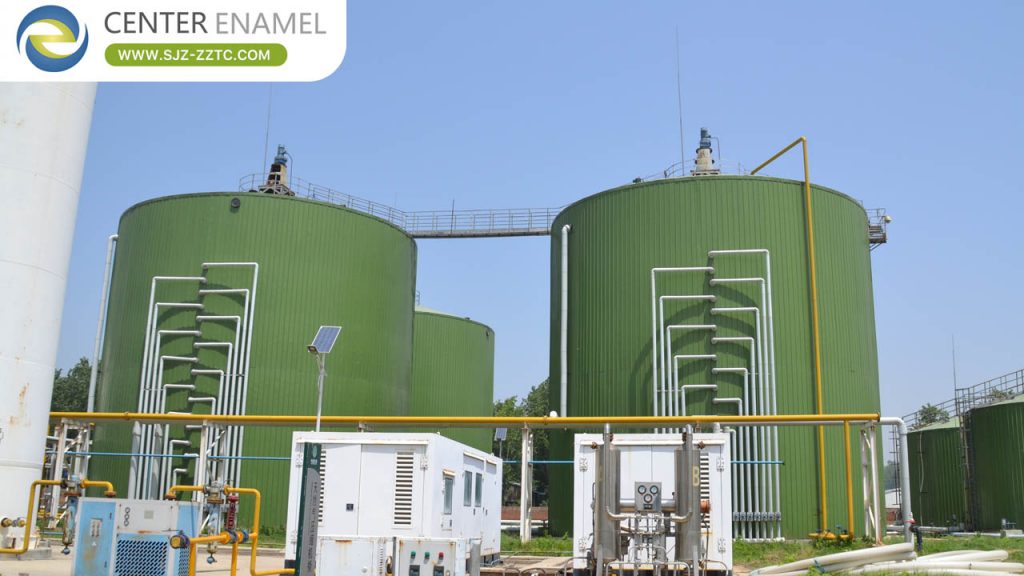
The Three Levels at a Glance
Primary treatment is physical: screens, grit removal, and a settling tank drop the heavy, settleable fraction. Secondary treatment is biological: microbes consume dissolved organics and, with the right zones, nutrients. Tertiary treatment is polishing: filtration, disinfection depth, or nutrient stripping beyond what biology alone achieves.
Design Parameter Table
| Treatment level | Typical value or range | What it removes |
| Primary | 1-2 h settling | Grit, settleable solids |
| Secondary | A²O / UBF / AS | Dissolved COD, N, P |
| Tertiary | Filter + polish | Trace solids, residual N/P |
| Municipal influent COD | 200-1,000 mg/L | Sets secondary load |
| Limitation to check | Shock loads | Equalization first |
Level vs Discharge Limit
| Limit driver | Level required | Example |
| COD / BOD only | Primary + secondary | Most municipal plants |
| Nitrogen / phosphorus | Secondary with nutrient zones | A²O or equivalent |
| Strict or reuse | Add tertiary | Filtration, deep disinfection |
Project Case Study
Domestic Sewage Treatment Project, Ghana. A 1,800 m³/day municipal plant covers primary and secondary levels through a UBF anaerobic stage and two A²/O aerobic tanks, taking influent COD from 1,000 mg/L to 100 mg/L, BOD from 500 to 25, ammonia from 30 to 10, and total phosphorus from 10 to 2 mg/L, a clear example of levels matched to a nutrient-bearing limit.
| Project | Domestic Sewage Treatment Project, Ghana |
| Location | Ghana |
| Industry | Municipal / Domestic Sewage |
| Application | UBF + A²/O biological treatment |
| Product | UBF Ø11.46 × 9.6 m, A²/O 2 × Ø20.64 × 6.6 m |
| Result | COD 1,000→100, BOD 500→25, NH₃ 30→10, TP 10→2 mg/L |
| Status | Delivered 2021 |
About Shijiazhuang Zhengzhong Technology Co., Ltd (Center Enamel)
Shijiazhuang Zhengzhong Technology Co., Ltd (Center Enamel) delivers the installation and project backbone of every treatment level: bolted Glass-Fused-to-Steel (GFS) tanks serve as equalization, biological reactors, clarifiers, and tertiary units, with enamel fused at 820-930°C for an inert barrier, built to ISO 28765 / AWWA D103 and CE-EN 1090. Prefabricated, site-assembled tanks let a plant add or skip a level without re-engineering the structure.
Cover primary, secondary, and only the tertiary a limit requires; match each level to a line in the permit, not to a default spec. Send your influent and discharge limit and we will assign a GFS tank to each level.
Frequently Asked Questions (FAQ)
Q1: What is primary treatment?
A: Physical screening, grit removal, and settling that drop the heavy, settleable solids before biology.
Q2: What does secondary treatment remove?
A: Dissolved COD and nutrients through biological reactors and clarifiers, typically A²O, UBF, or activated sludge.
Q3: When is tertiary needed?
A: When the permit is strict or the water is reused; tertiary adds filtration and deep disinfection beyond secondary.
Q4: How do levels relate to the discharge limit?
A: The plant builds only the levels the limit demands, so tertiary is added only where required.
Q5: Can one tank type serve several levels?
A: Yes, bolted GFS tanks are reused across equalization, biological, and sludge duties with different internals.
Q6: Does primary always come first?
A: Yes, primary protects the biological stage from grit and heavy solids that would otherwise foul it.
Suggested CTA
Send your influent profile and discharge limit. We will map each treatment level to a GFS tank and return a build plan.