
What Types of Biomass Are Used in Energy Projects? A Feedstock Classification Guide
Five families of biomass dominate energy projects worldwide: woody biomass, agricultural residues, animal manure, organic municipal and food waste, and dedicated energy crops. Their moisture, heating value, and ash content determine which conversion route fits—combustion, gasification, or anaerobic digestion—and therefore the entire plant design. Choosing the wrong biomass type is the most common reason energy projects underperform.
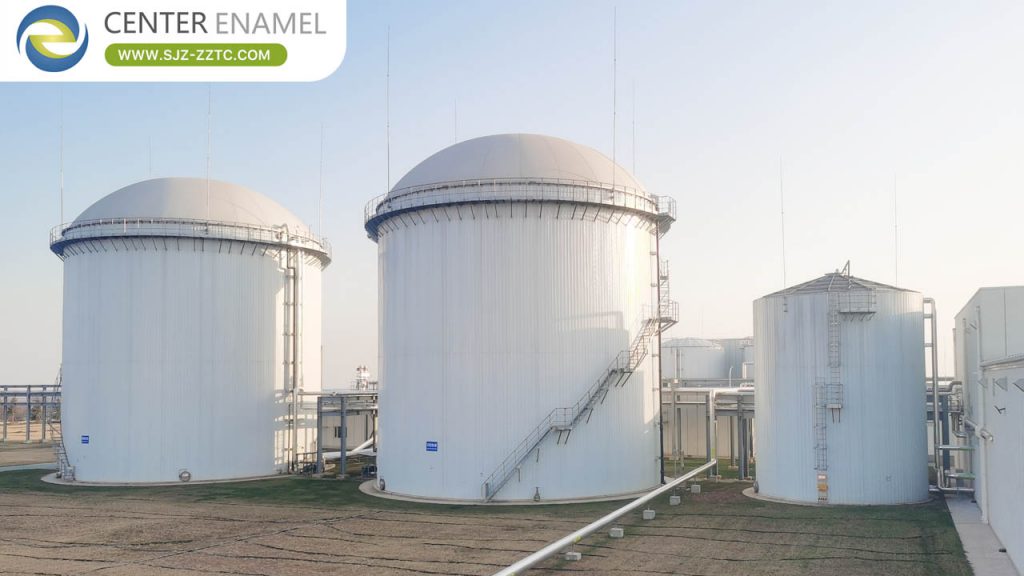
The Five Biomass Families and Their Characteristics
Family 1 — Woody biomass: forest residues, sawdust, wood chips, and pellets. Highest heating value (15–19 MJ/kg dry), moisture 20–50% as received, low ash. Best suited to direct combustion and gasification. The global default for large biomass power plants.
Family 2 — Agricultural residues: straw, corn stover, rice husk, bagasse. Heating value 13–17 MJ/kg, but high silica ash (3–15%) causes slagging and corrosion in boilers. Requires specialized combustion design or briquetting.
Family 3 — Animal manure: cattle, pig, and poultry manure. Low energy density (10–15 MJ/kg dry, but 80–90% water as produced), yet ideal for anaerobic digestion because of high nutrient and organic content. Manure-to-biogas is the backbone of farm-scale renewable energy.
Family 4 — Organic waste streams: municipal organic fraction, food waste, slaughterhouse waste, and industrial organic effluent. Variable composition but often high biogas potential (100–200 Nm³ CH4 per tonne); gate fees for treating waste add a second revenue stream.
Family 5 — Dedicated energy crops: maize silage, miscanthus, short-rotation coppice willow. Predictable quality and high dry-matter yields (10–20 t/ha/year), but compete with food production for land—a factor now driving policy restrictions in several European countries.
Comparative Data Table: Biomass Types by Key Properties
| Biomass Type | Heating Value (MJ/kg dry) | Moisture (as received) | Ash Content | Best Conversion Route |
| Woody (chips, pellets) | 15–19 | 20–50% | 0.5–3% | Combustion / gasification |
| Agricultural residues | 13–17 | 10–20% | 3–15% (silica) | Combustion (specialized) / briquetting |
| Animal manure | 10–15 | 80–90% | 5–20% | Anaerobic digestion |
| Organic/food waste | 12–18 (dry) | 60–80% | 5–15% | Anaerobic digestion / incineration |
| Energy crops | 15–18 | 30–70% | 2–8% | Anaerobic digestion (silage) / combustion |
How Biomass Type Drives Project Economics
The conversion route is largely decided by moisture. Above 60% moisture, drying is energy-negative, so wet biomass (manure, food waste) must go through anaerobic digestion; below 40%, combustion or gasification becomes viable. This one moisture threshold separates the two great branches of the bioenergy industry.
For a 2026 project developer, the practical play is feedstock diversification: combining manure (stable base load) with food waste (high yield plus gate fee) in a co-digestion plant lifts both gas output and revenue stability, while combustion plants increasingly blend wood with agricultural residues to control fuel cost.
Frequently Asked Questions (FAQ)
Q1: Which biomass type has the highest heating value?
A: Dry woody biomass leads at 15–19 MJ/kg, with torrefied wood pellets reaching 20–22 MJ/kg. Wet biomass like manure contains far less usable energy per tonne because water must be evaporated or processed anaerobically.
Q2: What is the difference between woody and agricultural biomass?
A: Woody biomass is denser, drier, and cleaner-burning with low ash; agricultural residues have high silica ash that causes boiler slagging and require specialized combustion systems. Woody biomass is therefore the premium fuel, and residues the economy fuel.
Q3: Which biomass is best for anaerobic digestion?
A: Wet organic feedstocks with high volatile solids—cattle and pig manure, food waste, maize silage, and organic industrial effluents. A C:N ratio of 20–30:1 and moisture above 85% give the best methane yield per digester volume.
Q4: Can one project use multiple biomass types?
A: Yes, and co-digestion or co-firing is increasingly standard. Mixing manure with food waste or mixing wood with agricultural residues smooths price volatility, stabilizes process biology, and can unlock gate-fee revenue.