
What Wastewater Suits UASB?
UASB suits soluble, warm, medium-to-high strength wastewater: typically COD above 1,500–2,000 mg/L, a temperature of 25–38°C, low suspended solids, and an organic loading rate of 5–15 kg COD/m³·day. Good fits are food, brewery, dairy, palm-oil, pharmaceutical, and municipal wastewaters where the organics are dissolved rather than suspended. Removal of 80–90% COD is typical.
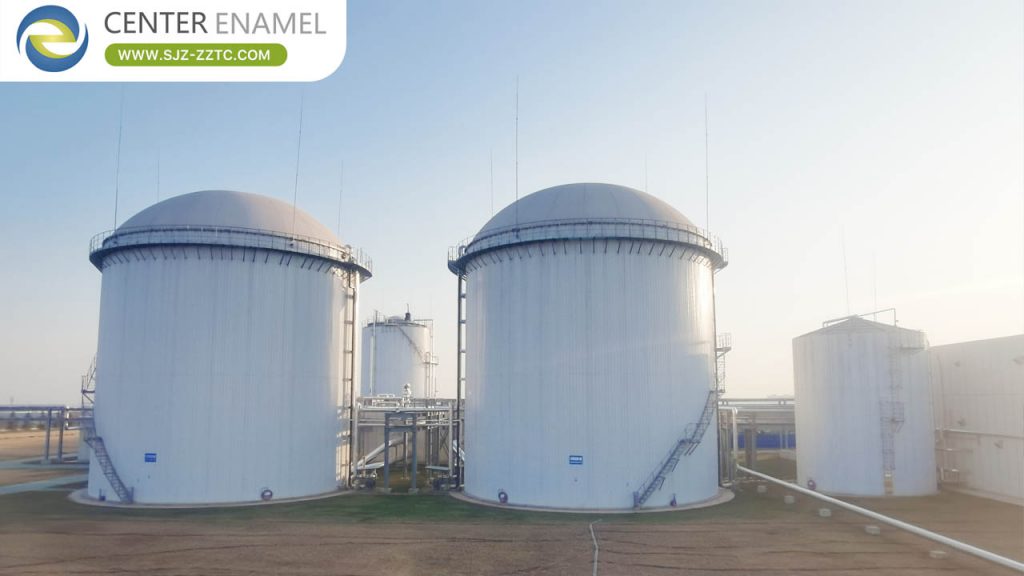
The Suitability Checklist
A wastewater fits UASB when it is: soluble or low-solids (so granules are not buried in inert solids), warm enough for methanogens (25–38°C; below ~15°C granulation stalls), and strong enough in COD to justify the reactor (else aerobic is cheaper). High salinity or toxins need pilot confirmation.
Ideal Industries and Streams
Food and beverage (sugar, starch, brewery, dairy), palm oil mill effluent, pharmaceutical, pulp/paper, and municipal/domestic sewage all have soluble, warm, high-COD profiles that suit UASB. They reward the reactor with 80–90% COD removal and low sludge yield.
| Stream | Typical COD (mg/L) | Fit |
| Brewery / food | 3,000–30,000 | excellent |
| Palm oil (POME) | 40,000–60,000+ | excellent |
| Pharmaceutical | 5,000–30,000 | good (pilot) |
| Municipal sewage | 300–1,000 | borderline (too low) |
| Dairy | 2,000–15,000 | good |
Why UASB Beats Aerobic Here
For high-strength soluble waste, UASB needs no aeration energy (aerobic uses 0.5–1.5 kWh/kg COD), produces biogas instead of consuming power, and yields far less sludge (0.05–0.10 vs ~0.10–0.15+ kg VSS/kg COD for aerobic). The energy-positive profile is decisive at scale.
When UASB Is the Wrong Choice
Very low COD (<~1,000 mg/L) makes the reactor oversized and uneconomic versus aerobic; high suspended solids clog and burden the blanket; cold (<15°C) stalls granulation; and shocks/toxins need care. Those streams want aerobic, a hybrid, or pre-treatment.
Technical Considerations
Confirm COD, solids, temperature, and salinity; design even distribution and a robust three-phase separator; plan for biogas capture and H₂S control. Pair UASB with a polishing step (e.g., AOAO, aerobic) when effluent limits are tight.
How to Screen a Wastewater
Run a COD and solids test, check temperature, and do a granulation/activity check. If soluble, warm, and >1,500–2,000 mg/L COD, UASB is a strong candidate; otherwise compare aerobic on life-cycle energy.
Project Case Study
Domestic Sewage Treatment Project in Ghana. A 1,800 m³/day municipal plant combining UBF (Upflow Blanket Filter, a UASB-family reactor) with A²/O, cutting COD from 1,000 to 100 mg/L and BOD from 500 to 25 mg/L. It shows the UASB family applied to municipal wastewater with a polishing stage for strict discharge.
| Project | Domestic Sewage Treatment (Ghana) |
| Location | Ghana |
| Industry | Municipal / Wastewater |
| Application | Municipal sewage, UBF + A²/O |
| Product | UBF + A²/O + sedimentation tanks |
| Capacity | 1,800 m³/day |
| Quantity | UBF + 2 A²/O + sedimentation |
| Material | Glass-Fused-to-Steel (GFS) |
| Standards | ISO 28765, AWWA D103 |
| Status | Delivered reference project |
About Center Enamel
Center Enamel backs this with relevant project experience across the exact wastewater types UASB suits: pig-farm effluent in Beijing (UASB + AOAO, COD ≥10,000→≤200 mg/L), high-salinity pharmaceutical streams in Hangzhou (granular-sludge reactors, ≥70% COD removal), and municipal sewage in Ghana (UBF + A²/O). The company supplies gas-tight, corrosion-resistant GFS reactor tanks engineered for the H₂S-laden anaerobic environment, with the distribution and separator provisions each wastewater type demands.
Advantages and Limitations
UASB is energy-positive and low-sludge for soluble, warm, high-COD wastewater—clearly beating aerobic on life-cycle energy. Limits: it is not for low-COD, cold, or very high-solids streams, and often needs a polishing step for tight limits.
Comparison: UASB vs Aerobic
| Criterion | UASB | Aerobic |
| Energy | energy-positive (biogas) | 0.5–1.5 kWh/kg COD |
| Sludge yield | low (0.05–0.10) | higher |
| Best COD | >1,500–2,000 mg/L | low–medium |
| Temp need | 25–38°C | ambient OK |
UASB suits soluble, warm (25–38°C), high-COD (>1,500–2,000 mg/L) wastewater at 5–15 kg COD/m³·day, with 80–90% removal and an energy-positive profile. It beats aerobic on energy and sludge for strong soluble streams, but not for cold, low-COD, or very high-solids feeds. Use a polishing step for tight discharge limits.
Frequently Asked Questions (FAQ)
Q1: What wastewater suits UASB?
A: Soluble, warm (25–38°C), high-COD (>1,500–2,000 mg/L) streams—food, brewery, palm, pharma, municipal—at 5–15 kg COD/m³·day.
Q2: What COD and temperature?
A: Target COD >1,500–2,000 mg/L and 25–38°C; below ~15°C granulation stalls.
Q3: When is UASB better than aerobic?
A: For high-strength soluble waste—no aeration energy, biogas output, and far less sludge.
Q4: What excludes a feed?
A: Very low COD, high suspended solids, cold temperature, or shocks/toxins without pilot confirmation.
Q5: Do I need polishing?
A: Often yes—pair UASB with AOAO/aerobic when effluent limits are strict.
Q6: What tank is used?
A: A gas-tight GFS reactor with distributor and separator; Center Enamel supplies them with project-proven specifications.
Send your wastewater COD, solids, temperature, and flow. We will screen UASB suitability, size the reactor and polishing step, and specify GFS tanks with the right standards and delivery.