
When Is UASB Not Suitable?
UASB is unsuitable when the wastewater is cold, heavily suspended-solid, toxic, very low-strength, or when nutrient (nitrogen/phosphorus) removal is the primary goal. It needs warm (20–38°C), soluble, biodegradable COD at OLR 5–15 kg COD/m³·day; outside that envelope the granular blanket washes out or stalls. UASB also does not remove ammonia, so nitrification must be added downstream.
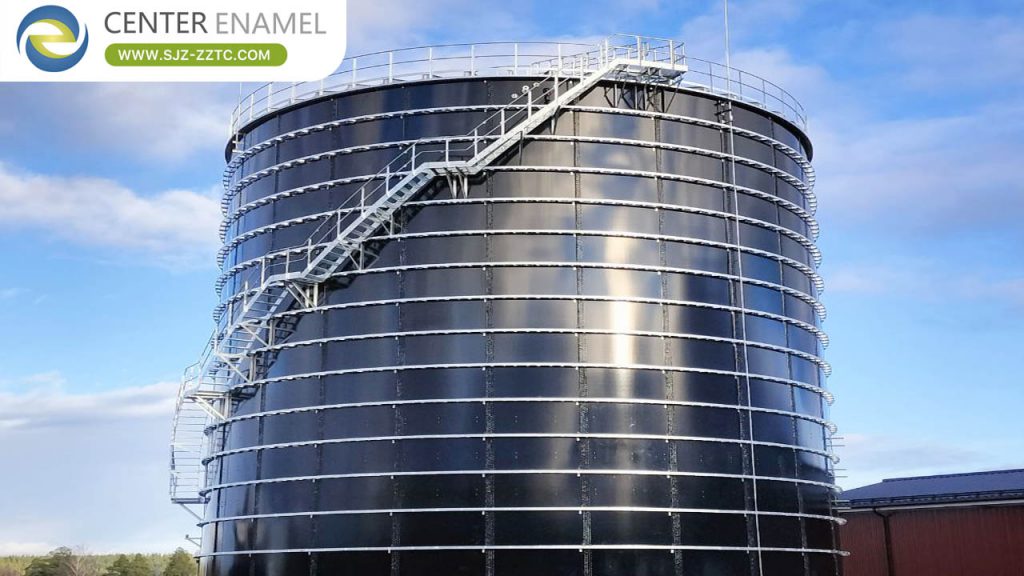
Cold Influent
Below ~15–20°C methanogens slow sharply; a cold UASB loses gas and can wash out granules. Tropical or heated industrial streams suit UASB; unheated temperate municipal plants often do not without pre-heating.
High Suspended Solids
Heavy solids blanket the sludge bed, clog upflow paths, and raise effluent SS. UASB favors soluble COD; slurry or gritty waste better fits a CSTR or aerobic system with solids handling.
Toxicity and Low Strength
Salts, heavy metals, or disinfectants inhibit granular sludge (though some tolerant strains exist). Very dilute wastewater (< 1,000–2,000 mg/L COD) gives too little gas to justify the reactor. Both push toward aerobic or hybrid routes.
Nutrient Removal Gap
UASB removes organic carbon but not ammonia-N or phosphate. Where discharge limits demand N/P removal, pair it with an A²/O or follow with SBR; if N/P is the whole point, an aerobic biological nutrient removal train may be the better lead process.
| Condition | UASB fit | Better alternative |
| Cold (< 15°C) | poor | heated / aerobic |
| High SS / slurry | poor | CSTR / aerobic |
| Toxic / high salt | risky | tolerant anaerobic / aerobic |
| Low COD (< 2,000) | poor | aerobic |
| N/P removal needed | partial | A²/O / SBR |
Technical Considerations
When specifying any anaerobic or aerobic tank, confirm design to the relevant standard: bolted Glass-Fused-to-Steel tanks are built to ISO 28765 and AWWA D103, structural steel carries CE/EN 1090 marking, and drinking-water contact linings may need NSF/ANSI 61 or WRAS. Documenting these standards is what makes a tank package verifiable, whichever process is chosen.
How to Choose the Right Process
Map the limitations above against your wastewater: warm + soluble + high COD → UASB/UBF; cold or high-solid → aerobic/CSTR; strict N/P → A²/O or SBR. A one-page influent profile (temperature, COD, SS, N/P, toxicity) lets suppliers recommend correctly and cite the right standards.
Project Case Study
Sri Lanka Palm Oil Wastewater Treatment Project. A 250 T/D palm oil mill effluent (POME) plant using SBR (Sequencing Batch Reactor) process with 2 reactors (Ø24.46 × 6 m), achieving COD from 65,600 to ≤ 400 mg/L and BOD from 7,480 to ≤ 250 mg/L. It illustrates choosing SBR over UASB-family processes for a specific high-strength, variable industrial stream.
| Project | Sri Lanka Palm Oil Wastewater Treatment Project |
| Location | Sri Lanka |
| Industry | Palm Oil Mill |
| Application | POME treatment |
| Product | SBR reactors (Ø24.46 × 6 m, 2 sets) |
| Capacity | 250 T/D |
| COD result | 65,600 → ≤ 400 mg/L |
| Status | Delivered 2026 |
About Center Enamel
Center Enamel supports specification with verified certifications and standards: bolted Glass-Fused-to-Steel tanks are manufactured under ISO 9001 and designed to ISO 28765 and AWWA D103, with CE/EN 1090 structural marking; potable and process linings can meet NSF/ANSI 61 and WRAS where applicable. The company supplies tankage for UASB, SBR, A²/O, and CSTR alike, so process choice is never limited by tank certification.
Advantages and Limitations
UASB’s limits are clear — cold, high-solid, toxic, dilute, or N/P-driven streams need another route. Its strength remains warm, soluble, high-strength COD. Knowing the boundary prevents failed installations; standards documentation protects the buyer either way.
Comparison: Process by Condition
| Wastewater | Lead process | Why |
| Warm soluble high COD | UASB/UBF | energy + biogas |
| Cold / high SS | Aerobic / CSTR | robust |
| Strict N/P | A²/O / SBR | nutrient removal |
| Variable high-strength | SBR | batch flexibility |
UASB is unsuitable for cold, high-solid, toxic, very dilute, or N/P-critical wastewater; it suits warm, soluble, high-COD streams at OLR 5–15 kg COD/m³·day. Choose SBR, A²/O, or CSTR when limits dominate, and specify tankage to ISO 28765 / AWWA D103 / CE-EN 1090.
Frequently Asked Questions (FAQ)
Q1: When is UASB not suitable?
A: Cold (<15°C), high-solid, toxic, very dilute (<2,000 mg/L COD), or where nitrogen/phosphorus removal is required.
Q2: Why is UASB poor for nitrogen?
A: Anaerobic digestion removes carbon but not ammonia; nitrification needs an aerobic stage such as A²/O or SBR.
Q3: What replaces UASB?
A: SBR or MBR for flexibility, A²/O for N/P, and CSTR for high-solid slurry.
Q4: What standards apply to tanks?
A: GFS tanks to ISO 28765 and AWWA D103, CE/EN 1090 steel marking, NSF/ANSI 61 or WRAS for potable contact.
Q5: What OLR does UASB want?
A: 5–15 kg COD/m³·day on soluble, warm (20–38°C) wastewater.
Q6: What project experience exists?
A: Delivered SBR POME treatment in Sri Lanka and UBF + A²/O municipal tankage in Ghana.
Send a one-page influent profile (temperature, COD, SS, N/P, toxicity). We will confirm whether UASB fits or recommend SBR/A²/O/CSTR, with tankage certified to ISO 28765 and AWWA D103.