
Where Is Biogas Mostly Used? Exploring Global Applications and Trends
As the global push for carbon neutrality and circular economies accelerates, renewable energy sources have taken center stage. Among them, biogas-produced through the anaerobic digestion of organic matter-has emerged as a remarkably versatile energy vector. But where is biogas mostly used across the globe?
From decentralized rural cooking to massive industrial combined heat and power (CHP) installations and vehicle fuel networks, biogas applications span multiple sectors. Understanding these utilization patterns helps governments, municipalities, and industries optimize waste-to-energy pathways.
Electricity Generation (Power Plants)
Electricity generation commands the largest share of biogas utilization worldwide. Raw or upgraded biogas is combusted in gas engines, microturbines, or fuel cells to generate electrical power:
Base-Load Power: Unlike intermittent solar or wind power, biogas-fired power plants can operate continuously, supplying dependable base-load electricity to local grids.
Large-Scale Integration: Agricultural biogas plants and municipal wastewater treatment facilities frequently channel their captured methane straight into high-efficiency generator sets to offset facility power consumption or export surplus electricity.
Combined Heat and Power (CHP / Cogeneration)
Maximizing energy efficiency is critical for modern green infrastructure, making cogeneration one of the most widespread deployment methods:
Simultaneous Output: CHP systems capture both the electricity generated and the thermal energy produced during combustion.
On-Site Utilization: The recovered heat is routinely redirected back into the anaerobic digesters to maintain optimal mesophilic or thermophilic bacterial temperatures, or used for space heating and industrial processes, achieving total system efficiencies exceeding 80%.
Gas-Grid Injection and Biomethane Distribution
When raw biogas is subjected to advanced upgrading processes (removing carbon dioxide, moisture, and trace hydrogen sulfide), it becomes biomethane-virtually identical in quality to fossil natural gas:
Pipeline Injection: Upgraded biomethane is injected directly into existing municipal natural gas distribution networks.
Decentralized Energy Transport: This allows energy produced from regional agricultural and organic waste to be transported efficiently across long distances with minimal transmission losses.
Transportation Fuel (Bio-CNG and Bio-LNG)
The transport sector accounts for a significant portion of global energy consumption and greenhouse gas emissions. Biogas is rapidly expanding into this domain:
Vehicle Fleets: Compressed Biogas (Bio-CNG) and Liquefied Biogas (Bio-LNG) are widely used to power public transit buses, municipal waste collection trucks, and heavy-duty freight vehicles.
Emission Reduction: Utilizing biomethane in place of traditional diesel or gasoline cuts lifecycle greenhouse gas emissions drastically, often by 60% to 80%.
Residential and Commercial Heating and Cooking
In many developing regions and rural economies, small-to-medium scale biogas systems serve direct community needs:
Clean Cooking Fuel: Household and community digesters convert animal manure and food scraps into clean-burning gas for cooking and lighting, replacing firewood and reducing indoor air pollution.
Commercial Applications: Localized commercial enterprises utilize small biogas setups for space heating and localized thermal applications.
Advantages of Generating Biogas from Waste Materials
Utilizing organic waste streams for biogas production delivers profound environmental and economic benefits:
Waste Diversion: Diverting agricultural manure, food waste, and sewage sludge away from open landfills eliminates uncontrolled methane emissions and leachate pollution.
Nutrient Recycling: The byproduct of anaerobic digestion-known as digestate-serves as a nutrient-rich organic fertilizer that replaces carbon-intensive synthetic fertilizers.
Energy Independence: Organic waste is an infinite, locally available resource that insulates communities and industries from volatile fossil fuel markets.
Global Trends in the Biogas and Waste-to-Energy Sector
The global biogas market is expanding rapidly, driven by clear macroeconomic and regulatory trends:
Policy Support and Mandates: National frameworks-such as Europe's renewable energy directives and various Asian clean energy initiatives-provide subsidies, feed-in tariffs, and decarbonization credits.
Smart Grid Integration: Modern plants increasingly utilize IoT-based monitoring systems and advanced biological controls to maximize gas yields.
Industrial Scale-Up: Facilities are shifting from small, isolated setups to large, centralized multi-feedstock processing plants capable of handling municipal solid waste and industrial effluents simultaneously.
Center Enamel: Complete Turnkey Biogas and Wastewater Engineering Solutions
Executing a successful biogas or wastewater treatment project requires robust infrastructure, precision engineering, and proven technology. Center Enamel delivers comprehensive, end-to-end engineering solutions tailored to global municipal, agricultural, and industrial clients.
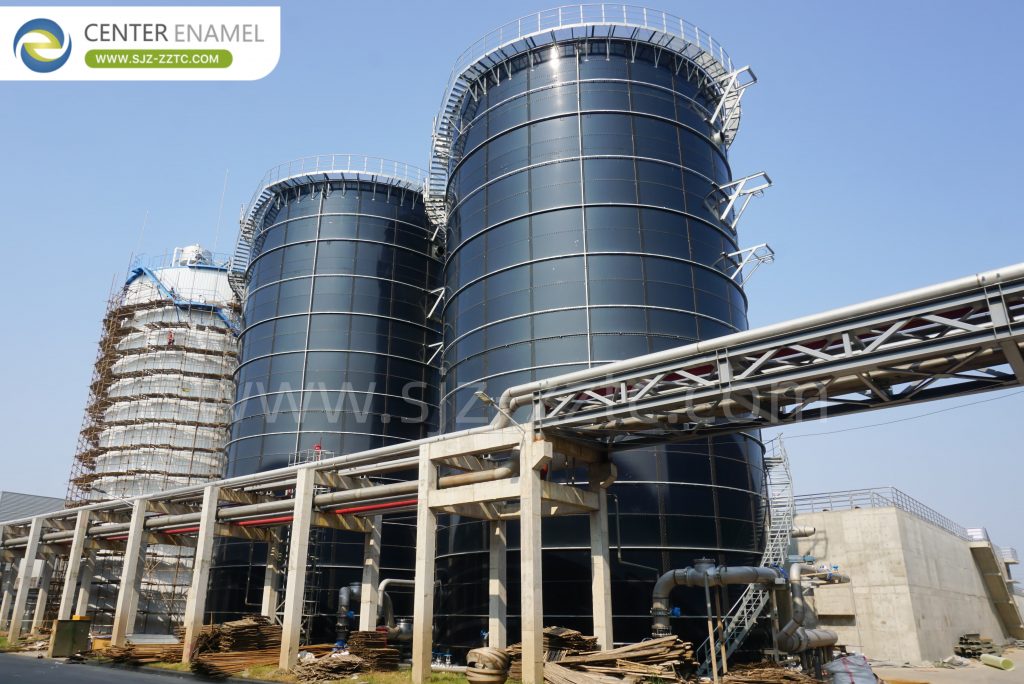
Leveraging extensive expertise in anaerobic digestion and wastewater treatment, Center Enamel provides complete facilities, advanced process configurations, and high-performance core equipment-including specialized bolted steel tanks (such as Glass-Fused-to-Steel tanks) and integrated gas-handling systems. Center Enamel ensures structural excellence, operational safety, and long-term economic viability for renewable energy projects worldwide.
Frequently Asked Questions (FAQ)
1. What are the primary end-use sectors for biogas globally?
Biogas is primarily used for electricity generation, combined heat and power (CHP) cogeneration, gas-grid injection (as biomethane), and clean transportation fuel (Bio-CNG/Bio-LNG). In rural areas, it also serves as a direct source for residential cooking and heating.
2. How does converting waste into biogas help reduce greenhouse gas emissions?
When organic materials like food waste and livestock manure decompose naturally in open environments, they release uncontrolled methane-a potent greenhouse gas-directly into the atmosphere. Capturing these materials inside sealed anaerobic digesters traps the methane, transforming it into a clean-burning energy source while replacing fossil fuels and reducing overall carbon footprints.
3. What role does Center Enamel play in industrial biogas and waste-to-energy projects?
Center Enamel provides comprehensive turnkey engineering solutions for biogas and wastewater projects. They supply high-durability modular storage tanks, advanced reactor systems, and core process equipment, backed by professional design and installation services to ensure seamless project execution and long-term operational success.