
Which Animal Waste Is Best for Biogas Production? Comparing Chicken, Pig, and Cow Manure
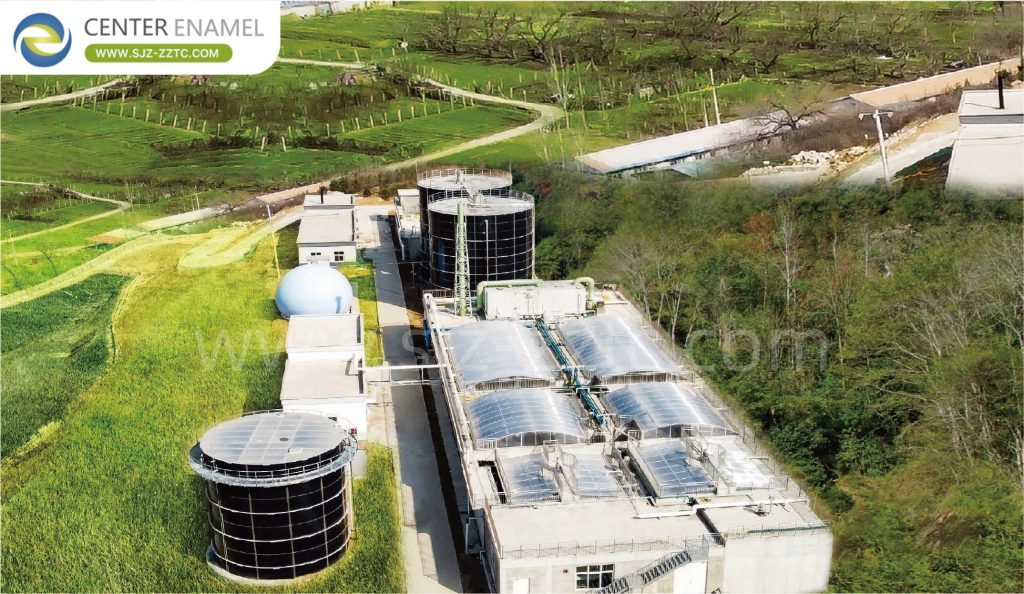
Selecting the right feedstock is one of the most important decisions for any biogas project. While many types of organic waste can be used for anaerobic digestion, chicken manure, pig manure, and cow manure are among the most common and productive options. This article compares these three animal wastes to determine which is best for biogas production.
What Determines Biogas Potential from Animal Waste?
The biogas potential of animal manure depends on several key factors. Volatile solids (VS) content is the most important—higher VS means more organic material available for conversion into biogas. The carbon-to-nitrogen (C:N) ratio also plays a crucial role, with an optimal range of 20:1 to 30:1 for balanced microbial activity. Additionally, moisture content, pH, and the presence of inhibitory substances like ammonia can all affect biogas yield. Different animal wastes have distinct characteristics that make them more or less suitable for biogas production, and understanding these differences is essential for optimizing biogas projects.
Chicken Manure: Highest Biogas Yield Among Animal Wastes
Chicken manure consistently ranks as the animal waste with the highest biogas production potential. Research has shown that chicken manure produces significantly more biogas than cow manure or pig manure . One study found that chicken droppings yielded 5,472 cm³ of biogas, compared to just 1,546 cm³ from cow dung under the same conditions . The higher yield is attributed to chicken manure's high volatile solids content, which ranges from 25-30% . Chicken manure also contains a high percentage of nitrogen (approximately 4.03%) , contributing to its high biogas potential. Optimizing conditions can further boost production—research has achieved cumulative biogas yields of up to 780 mL/g VS from chicken manure under ideal conditions .
Pig Manure: A High-Solids Feedstock with Strong Potential
Pig manure is another excellent feedstock for biogas production, though it typically produces less biogas than chicken manure. On average, pig manure yields approximately 0.12-0.14 m³ of biogas per kg of volatile solids . Pig manure has a high suspended solids content, making it challenging for some anaerobic digestion systems. However, the CSTR Process, with its mechanical mixing capability, is particularly well-suited for handling pig manure's high solids content. Research has also shown that pretreatment methods can enhance pig manure's biogas potential—one study found that heat treatment (90-100°C for 5 minutes) increased biogas yield by 35.6% under high organic loads . In practical applications, pig manure from two 1,600L digesters produced 22.63 m³ and 16.31 m³ of biogas over 56 days, demonstrating its viability as a feedstock .
Cow Manure: Stable but Lower-Yield Option
Cow manure is the most widely used feedstock for biogas production globally, largely due to its availability on dairy farms. However, it produces the lowest biogas yield among the three wastes, with typical production of 0.15-0.18 m³ per kg of volatile solids . One comparative study found that cow dung produced 1,546 cm³ of biogas, significantly less than the 5,472 cm³ from chicken manure . Cow manure has the highest moisture content (73.36%) among the three wastes , which dilutes the organic material and reduces biogas yield per volume. However, cow manure has a more balanced C:N ratio than chicken manure, making it easier to digest without ammonia inhibition. Co-digestion—mixing cow manure with other substrates—can significantly improve biogas yield .
Comparing Biogas Composition and Methane Content
While biogas yield is important, methane content determines the fuel's quality and energy value. Interestingly, chicken manure, despite producing the highest biogas volume, does not always produce the highest methane percentage. One study found that cow manure produced the highest methane percentage (76.96%) when optimized, followed by goat manure (75.57%) and chicken manure (70.43%) . Another study reported methane content ranging from 50-65% across different manure types . Under optimized conditions, chicken manure has achieved methane content as high as 67% and 489.7 mL CH₄/g VS . Pig manure biogas typically contains 80-82% methane after biofilter treatment , demonstrating that the final gas quality depends heavily on system design.
Practical Considerations for Biogas Projects
Beyond yield and methane content, practical factors influence which animal waste is best for specific biogas projects. Chicken manure's high nitrogen content can lead to ammonia inhibition if not properly managed, requiring careful control of feedstock loading. Pig manure's high solids content demands robust mixing systems like those used in the CSTR Process to prevent scum formation and solids settling. Cow manure, while lower-yielding, is more forgiving and easier to manage, making it suitable for smaller or less sophisticated biogas plants. All three wastes require pre-treatment steps such as screening to remove larger impurities, crushing to reduce particle size, and sand settling to eliminate heavy particles .
Center Enamel: Professional Biogas Project Solutions Provider
Center Enamel is a global leader in providing storage tank solutions for biogas projects, offering comprehensive biogas project solutions including Glass-Fused-to-Steel (GFS) tanks, Stainless Steel tanks, and Fusion Bonded Epoxy tanks. With over 30 years of expertise, Center Enamel has successfully delivered projects in more than 100 countries, including collaborations with global companies such as Veolia, Heineken, and Coca-Cola .
Center Enamel's GFS tanks are ideal for biogas applications, combining the strength of steel with exceptional corrosion resistance. All products meet international certifications including ISO 9001, CE, NSF/ANSI 61, WRAS, and ISO 28765, ensuring world-class quality and safety standards . Center Enamel provides complete project support covering design, engineering, and installation, making it a trusted partner for agricultural biogas projects worldwide.
FAQs
1. Which animal waste produces the most biogas?
Chicken manure produces the highest biogas yield among common animal wastes, generating up to 5,472 cm³ per batch compared to 1,546 cm³ from cow manure .
2. Why does chicken manure produce more biogas than cow manure?
Chicken manure has a higher volatile solids content (25-30%) compared to cow manure . Volatile solids provide the organic material that microorganisms convert into biogas, so higher VS content leads to greater biogas production.
3. Can I mix different animal wastes for better biogas production?
Yes, co-digestion of different animal wastes can improve biogas yield and system stability. Research has shown that mixing chicken manure with cow manure produces more biogas than either waste alone, as it balances carbon-to-nitrogen ratios and reduces ammonia inhibition .