
Which Biomass Is Best for Anaerobic Digestion?
The best feedstocks for anaerobic digestion are wet, nitrogen-rich organic streams: animal manure and slurry, source-separated food waste, sewage sludge, and grass or maize silage. These materials carry the water, readily-biodegradable volatile solids, and nutrients that methanogens need, and they typically yield 0.20–0.35 m³ of biogas per kg of volatile solids, at 55–65% methane. Dry, lignocellulosic woody and straw biomass is a poor digester feed because its tough structure resists breakdown and its energy stays locked up.
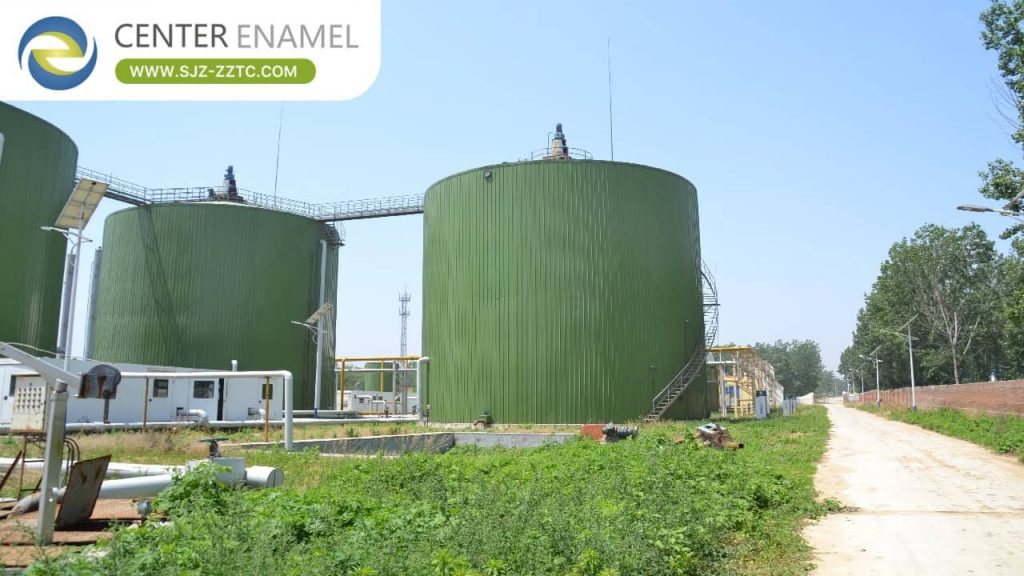
The Feedstocks That Work Best
Manure and slurry are the workhorses: stable, buffer-rich, and available year-round from farms. Food waste is the highest-yield stream, often 0.35–0.60 m³/kg VS, but needs pretreatment and plastic removal. Sewage sludge is reliable for municipal plants. Energy crops such as grass and maize silage lift gas output but compete with food land. The real art is co-digestion—mixing a wet, nitrogen-rich base with a carbon-rich supplement to balance the C:N ratio near 20–30:1 and raise total yield.
Comparative Data Table: Feedstock Suitability for AD
| Feedstock | Moisture | Biogas yield (m³/kg VS) | Digester fit |
| Cattle / pig manure | 90–95% | 0.20–0.30 | excellent (base load) |
| Source-separated food waste | 70–85% | 0.35–0.60 | excellent (high yield) |
| Sewage sludge | 95–98% | 0.20–0.35 | good (municipal) |
| Grass / maize silage | 65–80% | 0.30–0.45 | good (co-substrate) |
| Straw, agricultural residue | 10–25% | 0.10–0.20 | poor unless pretreated |
| Woody biomass | 8–50% | 0.02–0.10 | unsuitable for AD |
Why Dry Biomass Struggles in a Digester
Anaerobic digestion is a water-borne microbial process, so it needs the feedstock already wet and broken down. Woody and dry straw biomass is mostly lignin and crystalline cellulose—structures that microbes attack slowly, if at all, at 35–38 °C. Forcing them in dilutes the organic loading, drops the gas yield per cubic metre of tank, and can stall the process. When dry residues are used, they require energy-intensive pretreatment such as steam explosion or enzymatic hydrolysis, which rarely pays back outside dedicated cellulosic biorefineries.
Frequently Asked Questions (FAQ)
Q1: Which biomass is best for anaerobic digestion?
A: Wet, nitrogen-rich streams—manure and slurry, source-separated food waste, sewage sludge, and grass or maize silage. They give the highest volatile-solids gas yield and the most stable digestion.
Q2: Can agricultural residue be digested?
A: Straw and crop residue can, but only as a co-substrate after pretreatment. On their own they are low-yield and lignin-heavy; mixed with manure they improve the carbon-to-nitrogen balance.
Q3: Why is dry biomass poor for AD?
A: Digestion is a water-borne process that needs wet, readily biodegradable material. Dry woody and straw biomass is mostly lignin and crystalline cellulose, which microbes break down very slowly at digester temperatures.
Q4: What is co-digestion?
A: Mixing two or more feedstocks—typically a wet, nitrogen-rich base like manure with a carbon-rich supplement—to balance the C:N ratio near 20–30:1, stabilise the process, and raise total biogas yield.
Project Case Reference
Domestic Sewage Treatment Project in Ghana — Ghana · 2021
1,800 m³/D · UBF + A²/O Process · 4 Reactor Sets
A municipal domestic sewage treatment plant in Ghana with a daily capacity of 1,800 m³. The project combines UBF (Upflow Blanket Filter) and A²/O (Anaerobic-Anoxic-Oxic) processes for efficient nitrogen and phosphorus removal. The facility includes 1 set of UBF tank, 1 set of secondary sedimentation tank, and 2 sets of A²/O tanks to meet stringent effluent standards.
Technical Specifications
Daily Treatment Volume: 1,800 m³/day
Reactor Types: UBF + A²/O + Sedimentation
UBF Tank: 1 set, Φ11.46 × 9.6 m
Secondary Sedimentation: 1 set, Φ14.52 × 4.8 m
A²/O Tanks: 2 sets (Outer Φ20.64 × 6.6 m)
Installation Year: 2021
Water Quality Data
| Item | Influent | Effluent |
| COD Cr | 1,000 mg/L | 100 mg/L |
| BOD₅ | 500 mg/L | 25 mg/L |
| Ammonia N | 30 mg/L | 10 mg/L |
| SS | 400 mg/L | 25 mg/L |
| Total P | 10 mg/L | 2 mg/L |
| pH | — | 6.5 ~ 9.0 |