
Which Industries Produce High-Strength Wastewater?
The industries that produce high-strength wastewater are food and beverage, dairy, breweries, palm-oil mills (POME), slaughterhouses and rendering, pharmaceutical manufacturing, pulp and paper, textile, landfill leachate, and livestock manure — essentially any process built on concentrated organics. Their effluents commonly run 5,000–60,000+ mg/L COD, far above municipal sewage, which is why they are the prime candidates for biogas recovery.
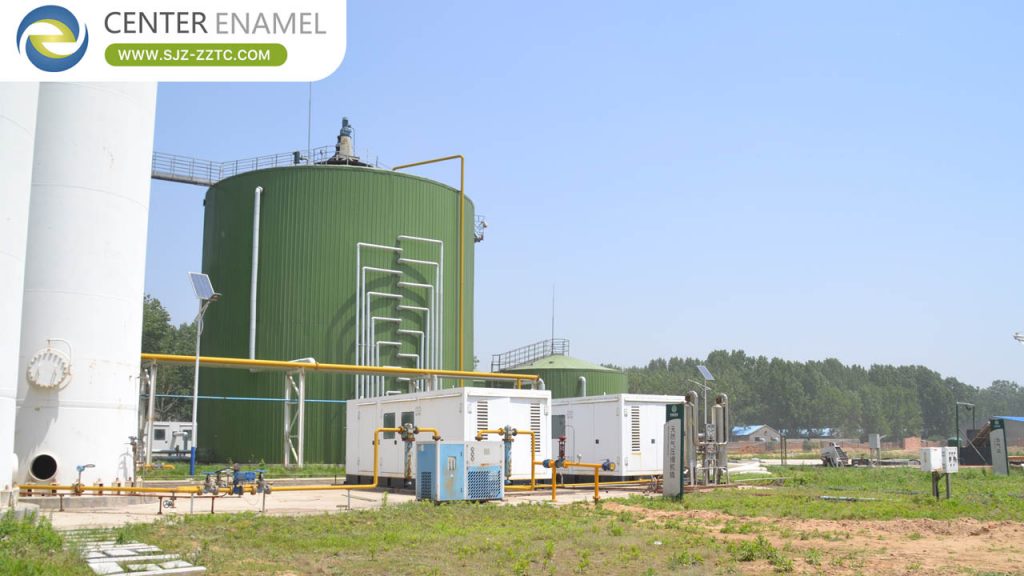
Why These Streams Are So Concentrated
High-strength wastewater is the by-product of extracting value from biomass. Pressing fruit, milling grain, rendering fat, or fermenting palm fruit leaves a liquor rich in sugars, proteins, fats, and Starches. The more organic the product, the richer the waste. That concentration is a problem for discharge but an asset for anaerobic digestion, because every kg of COD removed can yield about 0.30–0.45 m³ of biogas (roughly 60% methane).
Comparative Data Table: Industry COD Ranges
| Industry | Typical COD (mg/L) | Dominant organics |
| Palm-oil mill (POME) | 40,000–65,000 | fats, carbohydrates |
| Brewery / distillery | 10,000–30,000 | sugars, ethanol, yeast |
| Dairy / cheese whey | 5,000–30,000 | lactose, proteins, fat |
| Slaughterhouse / rendering | 3,000–20,000 | blood, fat, protein |
| Food processing | 2,000–15,000 | sugars, starches, oils |
| Pharmaceutical | 5,000–11,000+ | solvents, APIs, salts |
| Pulp & paper | 2,000–10,000 | lignin, fibres |
| Livestock manure | 20,000–60,000 | volatile solids, ammonia |
Application Notes by Sector
Palm-oil and livestock manure are the heaviest hitters and the most proven biogas feedstocks, often treated in covered lagoons or CSTR digesters. Breweries and dairies give a steadier, less fibrous stream that suits UASB or expanded granular-sludge beds. Pharmaceutical and some food streams carry salts or inhibitors, so they need careful characterization and sometimes a hardness-tolerant granular-sludge reactor. The pattern is consistent: rich organic process water is where anaerobic treatment pays.
Technical Considerations
Beyond COD, designers watch the carbon-to-nitrogen ratio (target 20–30:1), total solids, temperature, and toxicity. Manure is nitrogen-rich and often needs a carbon co-feed; POME is fat-heavy and benefits from temperature control; pharmaceutical streams may need pretreatment for salt. A full characterization — not the industry label alone — sets the digester type and the expected yield.
Advantages and Limitations
Targeting these industries for anaerobic treatment cuts disposal cost and generates energy, and many already face rising discharge fees that improve payback. The limitation is variability: a brewery’s strength swings with the brew schedule, and food Waste is seasonal, so storage and co-digestion are often needed to keep the digester fed steadily.
Best Practices / Where to Start
Rank candidate streams by COD × volume (the total organic load), then by biodegradability and consistency. Highest-load, most-consistent streams (POME, dairy, brewery, manure) give the fastest biogas payback. For variable or inhibitory streams, plan buffer storage and a co-substrate, and confirm with a BMP test before committing reactor size.
Conclusion
High-strength wastewater comes from organic-processing industries — food, dairy, brewery, palm oil, slaughter, pharma, pulp, and livestock — typically at 5,000–60,000+ mg/L COD. Those streams are exactly where anaerobic biogas recovery makes the most sense.
Frequently Asked Questions (FAQ)
Q1: Which industries produce high-strength wastewater?
A: Food and beverage, dairy, breweries, palm-oil mills (POME), slaughterhouses, pharmaceutical, pulp and paper, textile, landfill leachate, and livestock manure — organic-processing sectors running 5,000–60,000+ mg/L COD.
Q2: What COD do these streams reach?
A: Palm-oil POME and manure top 40,000–60,000 mg/L; brewery, dairy, and pharma sit around 5,000–30,000 mg/L; pulp, textile, and food processing span 2,000–10,000 mg/L.
Q3: Why are food-industry streams so strong?
A: They are the liquid left after extracting sugars, proteins, and fats from biomass — the more organic the product, the richer the waste, which is why they are ideal biogas feedstocks.
Q4: Which are best for biogas?
A: The heaviest, most consistent streams — POME, manure, dairy, and brewery — give the fastest payback because they deliver the most COD per cubic metre and steady feeding.
Q5: Are these streams hard to treat?
A: Some are. Pharmaceutical and saline or fibrous streams may need pretreatment or tolerant reactors; variability in food waste calls for buffer storage and co-digestion to keep the digester stable.
Q6: Should I treat all high-strength waste the same?
A: No. Reactor type follows the stream’s solids, fat, salt, and consistency — UASB for clear liquids, CSTR or lagoon for slurries — so characterize first, then size.
Project Case Reference
Sri Lanka Palm Oil Wastewater Treatment Project — Sri Lanka · 2026
250 T/D Capacity · SBR Process · Φ24.46 × 6 m Reactors
A palm oil wastewater treatment facility in Sri Lanka utilizing SBR (Sequencing Batch Reactor) process technology. The plant is equipped with 2 reactor sets and treats 250 tonnes of palm oil mill effluent (POME) per day, achieving strict discharge standards for COD and BOD reduction.
Technical Specifications
Daily Treatment Volume: 250 tonnes/day
Treatment Process: SBR (Sequencing Batch Reactor)
Reactor Specifications: Φ24.46 × 6 m, 2 sets
Installation Year: 2026
Water Quality Data
| Parameter | Inlet (Measured) | Discharge Standard |
| COD | 65,600 mg O₂/L | ≤ 400 mg O₂/L |
| BOD | 7,480 mg O₂/L | ≤ 250 mg O₂/L |
| TSS | 14,425 mg/L | — |
| pH | — | 6.5 – 8.5 |